






















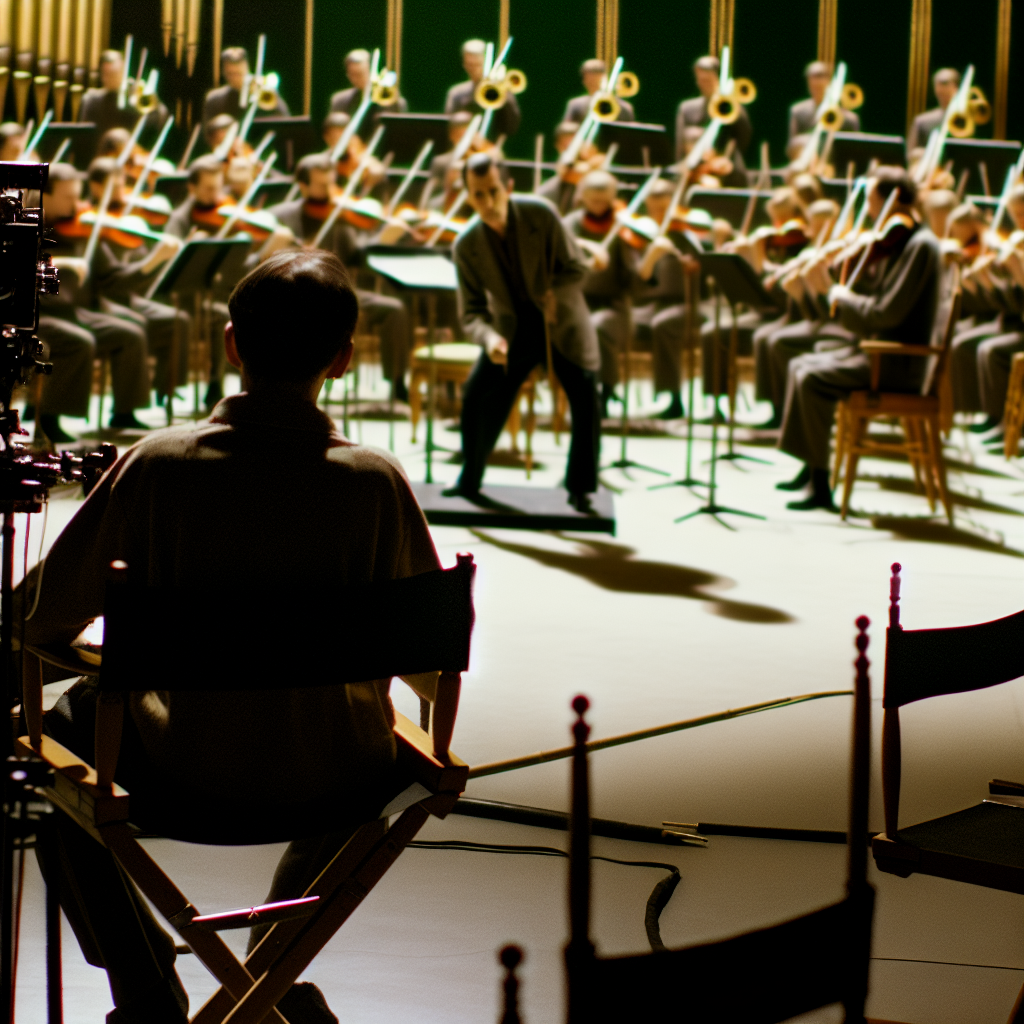
Introduction to Stanley Kubrick
Stanley Kubrick stands as one of the most influential filmmakers in the history of cinema. Known for his precise craftsmanship and innovative storytelling, Kubrick’s films have left a lasting impact on generations of filmmakers and audiences alike. His meticulous approach to filmmaking encompasses a variety of genres, including science fiction, horror, and historical epics, making him a versatile director whose work transcends typical genre boundaries.
Cinematic Techniques
Kubrick’s directing style is characterized by a combination of technical mastery and artistic vision. Below are some key techniques that define his approach:
- Symmetrical Framing: Kubrick often utilized symmetry to create visually striking compositions. This technique not only enhances the aesthetic appeal but also conveys thematic elements of order and chaos.
- Long Takes: He frequently employed long takes, allowing scenes to breathe and giving audiences time to absorb the details. This method also enhances tension, immersing viewers in the cinematic experience.
- Innovative Camera Techniques: Kubrick was known for his use of tracking shots and elaborate camera movements. His famous use of the Steadicam in “The Shining” created a sense of fluidity and disorientation that fits the film’s themes of madness.
- Unique Lighting Choices: He often bypassed conventional lighting in favor of natural light or sources that contributed to the narrative, exemplifying this in films like “Barry Lyndon,” where candlelight was used to create an authentic period look.
Exploration of Themes
Thematic depth is a hallmark of Kubrick’s work. His films often explore complex topics, including:
- Human Nature: Many of his films, such as “A Clockwork Orange,” delve into the duality of good and evil within human beings, raising questions about morality and free will.
- Technology and Alienation: In “2001: A Space Odyssey,” Kubrick investigates humanity’s relationship with technology, pondering its implications for existence and identity.
- The Absurdity of War: “Paths of Glory” and “Full Metal Jacket” critique the brutality and futility of war, emphasizing the dehumanizing effects of military culture.
Collaborations and Influences
Kubrick’s collaborations with various actors and crew members contributed significantly to his unique style. Notable collaborators include:
- Composer Alex North: Though his score was not used in “2001: A Space Odyssey,” Kubrick’s relationship with North highlights the importance of music in building atmosphere.
- Actor Jack Nicholson: A pivotal performance in “The Shining,” Nicholson’s intense portrayal exemplifies Kubrick’s knack for eliciting powerful performances from his actors.
- Cinematographer Geoffrey Unsworth: Known for his work on “2001: A Space Odyssey,” Unsworth’s cinematography plays a crucial role in establishing the film’s iconic visual style.
Legacy and Influence
Stanley Kubrick’s contributions to cinema are immeasurable. His films remain subjects of study and admiration, influencing countless filmmakers around the world. Directors such as Martin Scorsese, Steven Spielberg, and Christopher Nolan have all cited Kubrick as a major influence on their work. His relentless pursuit of perfection and innovation in storytelling continue to inspire both filmmakers and audiences, ensuring that his legacy endures in the fabric of modern cinema.
Conclusion
Stanley Kubrick’s directorial style is a rich tapestry woven from technical prowess, thematic depth, and artistic ambition. His films invite viewers into a world of visual symphony, where every frame is carefully constructed to challenge perceptions and inspire dialogue. As film continues to evolve, Kubrick’s work serves as a timeless reference point for understanding the art of cinema.






