






















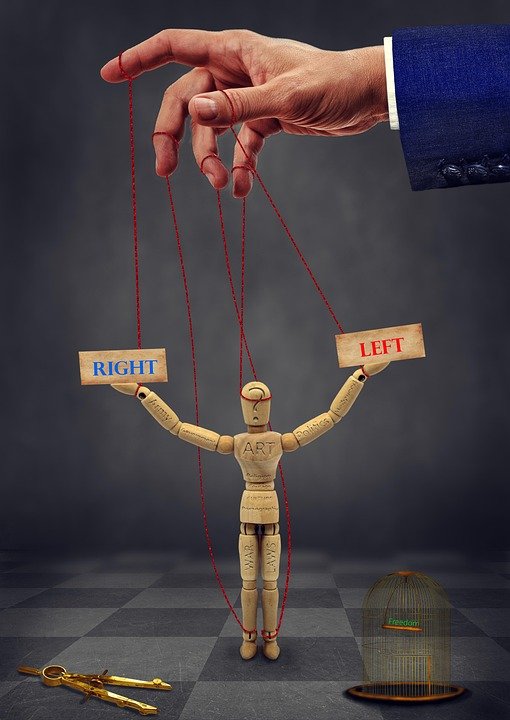
The framework of government in democratic societies is often articulated through the separation of powers, a doctrine that divides responsibilities among three principal branches: the Executive, the Legislative, and the Judicial. Each branch operates independently while also being interconnected, facilitating a system of checks and balances designed to prevent the concentration of power and to protect individual liberties.
1. The Executive Branch
The Executive Branch is responsible for enforcing laws and administering the government. It is typically headed by a president or prime minister, depending on the country’s system of governance. The Executive’s primary functions include:
- Implementation of Laws: The Executive ensures that laws passed by the Legislative Branch are executed effectively.
- Foreign Affairs: This branch manages international relations and foreign policy, representing the state in diplomatic matters.
- National Defense: The Executive is responsible for the defense of the country and implementation of military policies.
- Budget and Administration: It oversees the administration of government agencies and the allocation of resources.
2. The Legislative Branch
The Legislative Branch is tasked with making laws. It typically consists of a bicameral or unicameral assembly, such as the Parliament in the United Kingdom, the Congress in the United States, or other similar institutions globally. This branch fulfills several important roles:
- Law-Making: Legislators propose, draft, debate, and vote on new laws.
- Representation: Members of the Legislative Branch represent the interests and opinions of their constituents, reflecting the electorate’s needs.
- Budget Approval: The Legislative Branch often has the authority to approve government spending and taxation.
- Oversight of the Executive: They monitor and oversee the Executive Branch’s activities, ensuring accountability.
3. The Judicial Branch
The Judicial Branch interprets laws and administers justice. It encompasses a hierarchy of courts, with a system that often includes local, state, and national levels. The key responsibilities of the Judicial Branch are:
- Interpretation of Laws: Courts interpret the meaning of laws and their application in various cases.
- Protection of Rights: The Judicial Branch safeguards individual rights and liberties against infringement by the state or other entities.
- Dispute Resolution: It resolves conflicts through legal proceedings, providing a framework for the rule of law.
- Judicial Review: In many democracies, courts have the power to review the constitutionality of laws and executive actions.
4. The Balance of Power
Each branch of government has distinct powers and responsibilities, but they are also designed to check each other. This balance is fundamental to the concept of democratic governance. For example:
- The Executive can veto legislation, but the Legislature can override that veto with a sufficient majority.
- The Judiciary can rule legislative acts unconstitutional, thereby nullifying them.
- The Legislature has the authority to confirm or reject appointments made by the Executive, including judges.
5. Conclusion
The separation of powers among the Executive, Legislative, and Judicial Branches is a cornerstone of democratic governance, promoting accountability and preventing the abuse of power. Understanding the functions and interrelations of these branches is essential for informed civic engagement and the safeguarding of democratic principles.






