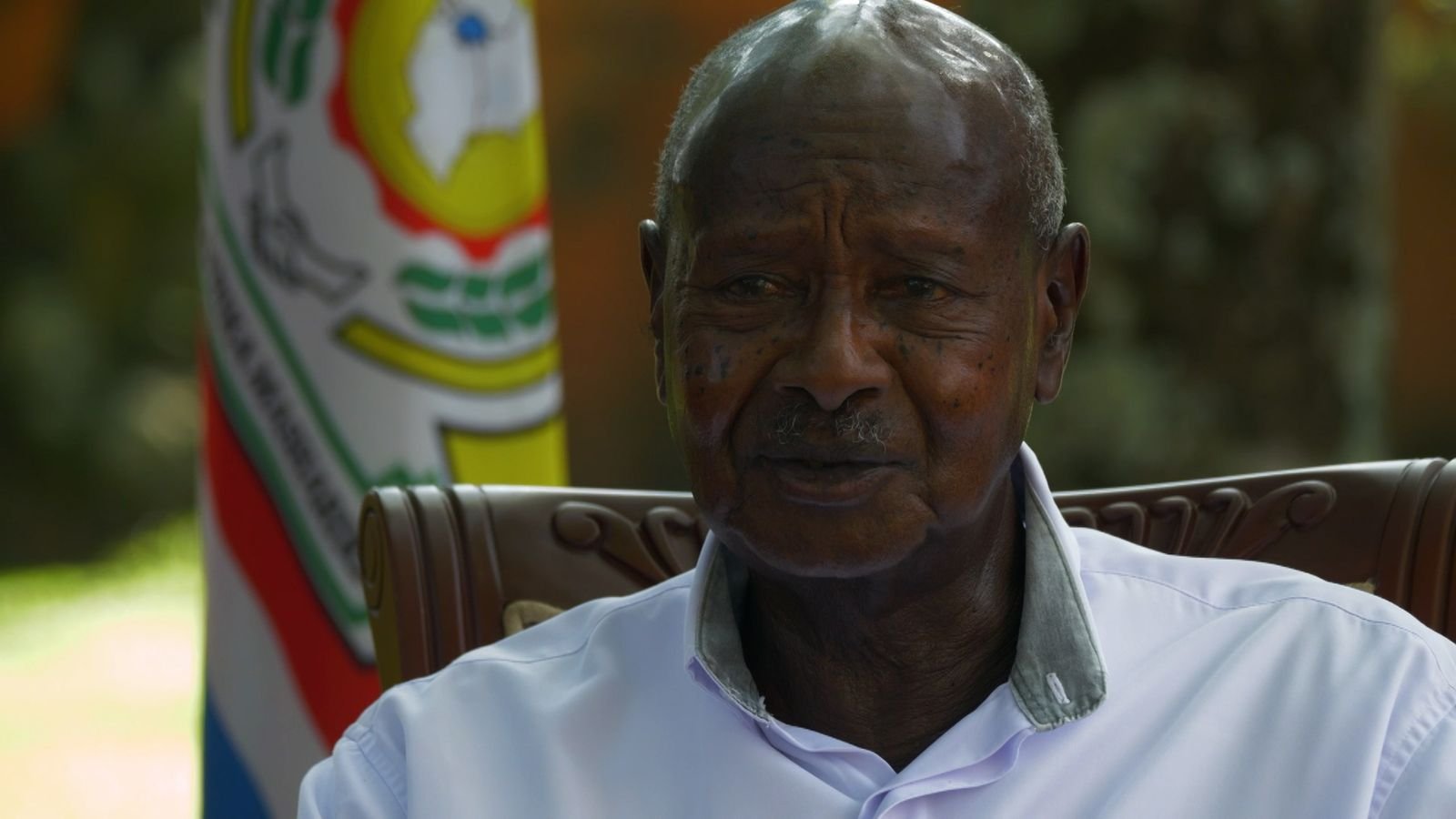
Election Tensions in Uganda: A Nation in Silence
This week, a church service at Nakasero State House symbolically closed a turbulent election cycle in Uganda, marked by unrest and significant political activity. President Yoweri Museveni, who has held power for nearly four decades, addressed a muted nation disrupted by an internet blackout while Ugandans prepared to cast their votes in his seventh successive election.
Political Climate and Internet Shutdown
The online blackout imposed across Uganda has left the capital, Kampala, subdued, amplifying the sense of isolation surrounding the State House. This shutdown follows a contentious political campaign, characterised by numerous arrests of activists and the suspension of nine local human rights organisations.
President Museveni, when asked about the rationale behind the internet shutdown, described it as a necessary measure to combat elements he claims are intent on destabilising the nation. In his words, shutting down internet access is akin to closing a road to prevent criminal activity.
Museveni’s Long Tenure and Popularity
As the 81-year-old president seeks another five years in office, he reflects on his lengthy tenure, which began in 1986 following a successful rebellion against the previous regime. He argues that if he remains capable and knowledgeable, his experience can be beneficial to Uganda’s future. However, a significant portion of the population, predominantly young and unfamiliar with the events leading to his rise, increasingly demands political change.
Over 70% of Uganda’s citizens are under 30, with many rallying around opposition leader Bobi Wine, a 43-year-old musician whose political activism has drawn attention to youth unemployment and the need for reform. This citizen movement has faced severe repercussions, with reports indicating mass arrests and suppression of political dissent.
Challenges Ahead
Despite the president’s assertions of economic growth—citing an increase in Uganda’s GDP from $3.9 billion to nearly $70 billion—high youth unemployment and societal demands for change persist. Young Ugandans are increasingly disillusioned, feeling unrepresented in a political landscape dominated by an aging leadership.
Critics like Bobi Wine have been consistently targeted by the government, raising questions about Museveni’s commitment to free political discourse. The president defends his actions by stating that those targeted are often breaking the law, suggesting a selective approach to opposition. His historical rivals have also faced legal trouble, with notable figures, including his former military physician, currently imprisoned under treason charges.
Background
In 2005, amendments to Ugandan law allowed Museveni to extend his grip on power by eliminating term limits, with an age limit amendment enacted later in 2018. His critics argue that this long tenure contradicts the initial revolutionary ideals he promoted, emphasising the need for leaders to step down and empower citizens. The current political climate poses critical questions about democracy and governance in Uganda as socio-political tensions escalate.
Despite the challenges, Museveni maintains that he continues to govern with the people’s approval and insists on focusing on national progress rather than political theatre. As Uganda navigates this tumultuous period, the developments in the coming days could significantly shape the nation’s political landscape.
Source: Original Article