






















UK Economy Shows Signs of Growth Amid Consumer Uncertainty
UK economic data for November revealed a growth rate of 0.3%, indicating a modest recovery in output as households and businesses awaited the impending budget details. The latest figures from the Office for National Statistics (ONS) mark an improvement primarily driven by the industrial sector, particularly following a phased return to manufacturing at Jaguar Land Rover after a significant cyber attack in August.
Industrial Production & Service Sector Performance
The ONS’s analysis indicates that while the economy expanded slightly over the latest three-month period—recording a total growth of 0.1% compared to a previously stagnant three-month span—industry performance has been mixed. Notably, services—constituting a vital part of the UK economy—were the only major sector to register growth during the later part of September through November.
Liz McKeown, ONS director of economic statistics, commented that although economic growth was led by improvements in the service sector in November, these gains were somewhat counteracted by declines in manufacturing due to ongoing repercussions from the earlier cyber incident. Fortunately, initial data for November suggests that manufacturing has largely rebounded since then.
Challenges Faced by the Construction Sector
In contrast, the construction sector has faced ongoing struggles, exhibiting its most significant three-month downturn in nearly three years. The housebuilding sector remains particularly hard-hit, with higher borrowing costs and diminishing business confidence contributing to the challenges faced. As a result, concerns grow that the government’s target of delivering 1.5 million new homes in England before the end of its current term may not be realized.
Despite these difficulties, there are emerging signs that sentiment is improving, as firms feel more at ease following the budget announcement. This has sparked optimism regarding potential support measures for businesses, particularly concerning expected hikes in business rates.
Consumer Spending Trends
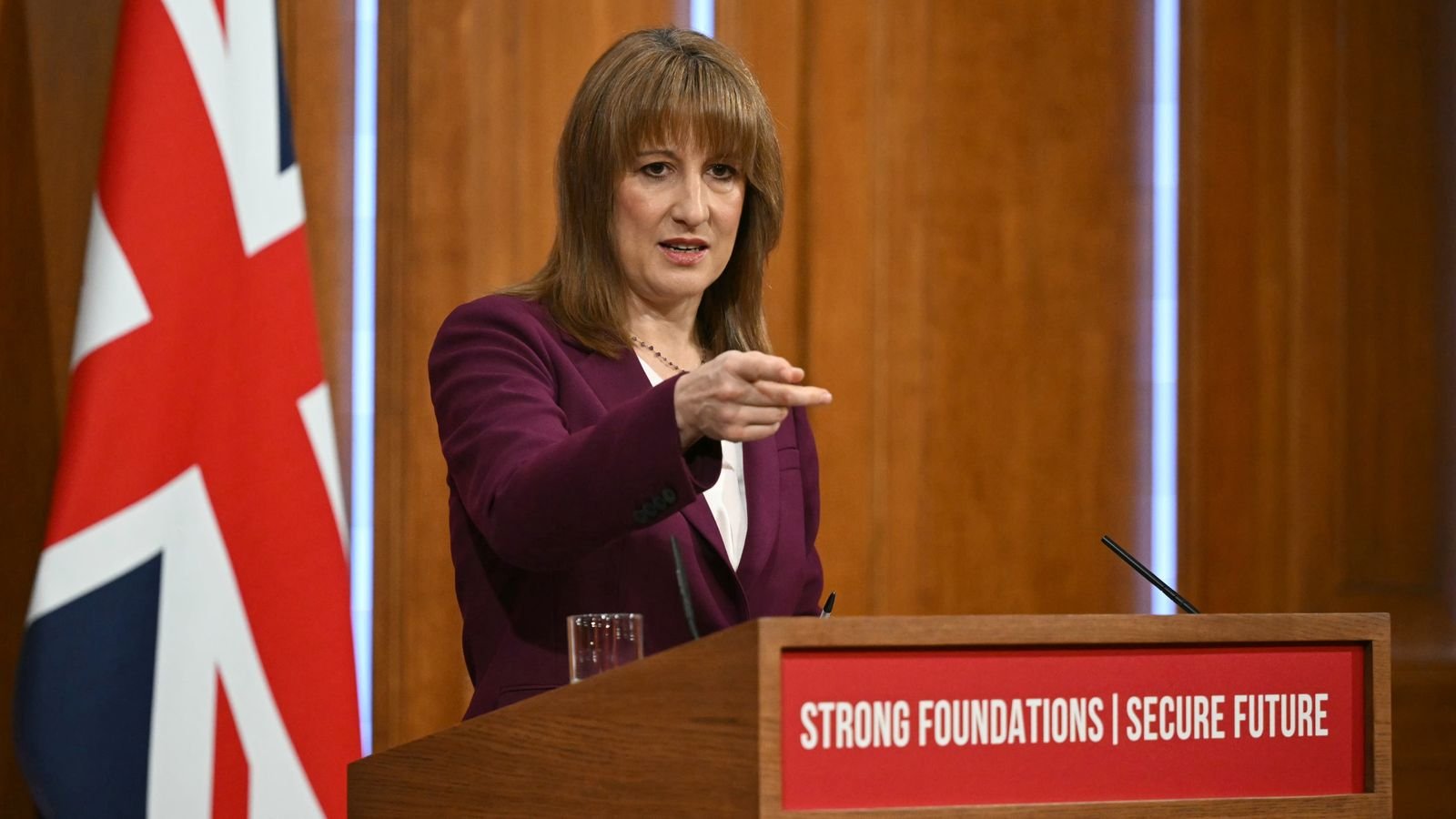
Private sector surveys indicated a revival in consumer spending, particularly after the Chancellor signaled a retreat from imposing anticipated tax increases. The ONS findings further substantiate this trend, showing growth in consumer-facing services despite a noted decline in output in November.
Yael Selfin, chief economist at KPMG UK, expressed cautious optimism based on the ONS data, suggesting that the worst uncertainties facing businesses might be behind them. However, she emphasized ongoing worries about possible future tax increases and geopolitical tensions which could jeopardize growth in the upcoming year. She also highlighted an expected decline in inflation due to falling food and energy prices, which could bolster consumer spending going forward.
Background
The recent economic indicators come during a tumultuous period for the UK, as inflation and rising interest rates squeeze household finances and impact business confidence. The fallout from the earlier cyber attack at Jaguar Land Rover had placed additional stress on the manufacturing sector, complicating recovery efforts. As the government works to navigate these challenges, the focus remains on achieving sustainable economic growth in a climate of heightened uncertainty.
Source: Original Article






