US-Ukraine Peace Blueprint Introduces Economic Zones
A recent proposal for peace between the US and Ukraine suggests transforming eastern regions currently under Russian control into zones with economic autonomy. Ukrainian President Volodymyr Zelenskyy highlighted a “demilitarised” or “free economic” zone as a potential solution to the ongoing conflict, particularly concerning the Donbas region.
Standoff on Territorial Claims
While Russia aims to seize the entire area, including territories yet to be captured, Ukraine has firmly rejected such aspirations. The fresh details of the peace plan coincided with a surge in violence in Moscow, where two police officers were killed in a bombing incident—the second in three days, following the death of a general earlier in the week.
Although Ukraine has not claimed responsibility for the attacks, previous incidents suggest that Ukraine has engaged in similar operations. Analysts, including Sky’s Moscow correspondent Ivor Bennett, propose that these actions might represent a strategic effort by Kyiv to shift the dialogue in upcoming peace negotiations, thereby showcasing its capacity to strike within Russian territory.
Plan Elements and Requirements
The updated plan, revealed following US-Ukraine discussions in Miami, underscores the possibility of a free economic zone as a “potential option” that would necessitate agreement through a referendum. These zones are usually characterized by differing regulatory environments, often offering reduced taxation and relaxed customs procedures.
President Zelenskyy indicated that progress had been made between the US and Ukraine on several positions, although key disagreements over territorial issues remain. He expressed the need for a direct dialogue with former US President Donald Trump to tackle “sensitive issues” at an elevated level. The future governance of the Zaporizhzhia nuclear power plant, Europe’s largest, also needs resolution, with American interests suggesting a consortium role alongside Ukraine and Russia.
Security Guarantees and Ongoing Aggression
The proposed peace plan includes rigorous security assurances akin to Article 5 provisions, aimed at shielding Ukraine from potential future attacks. Additionally, it aims to facilitate Ukraine’s EU membership while maintaining a formidable military force of 800,000 personnel.
Dmitry Peskov, spokesperson for the Kremlin, stated that Moscow would articulate its stance based on insights obtained from envoy Kirill Dmitriev, who recently met with US officials in Florida.
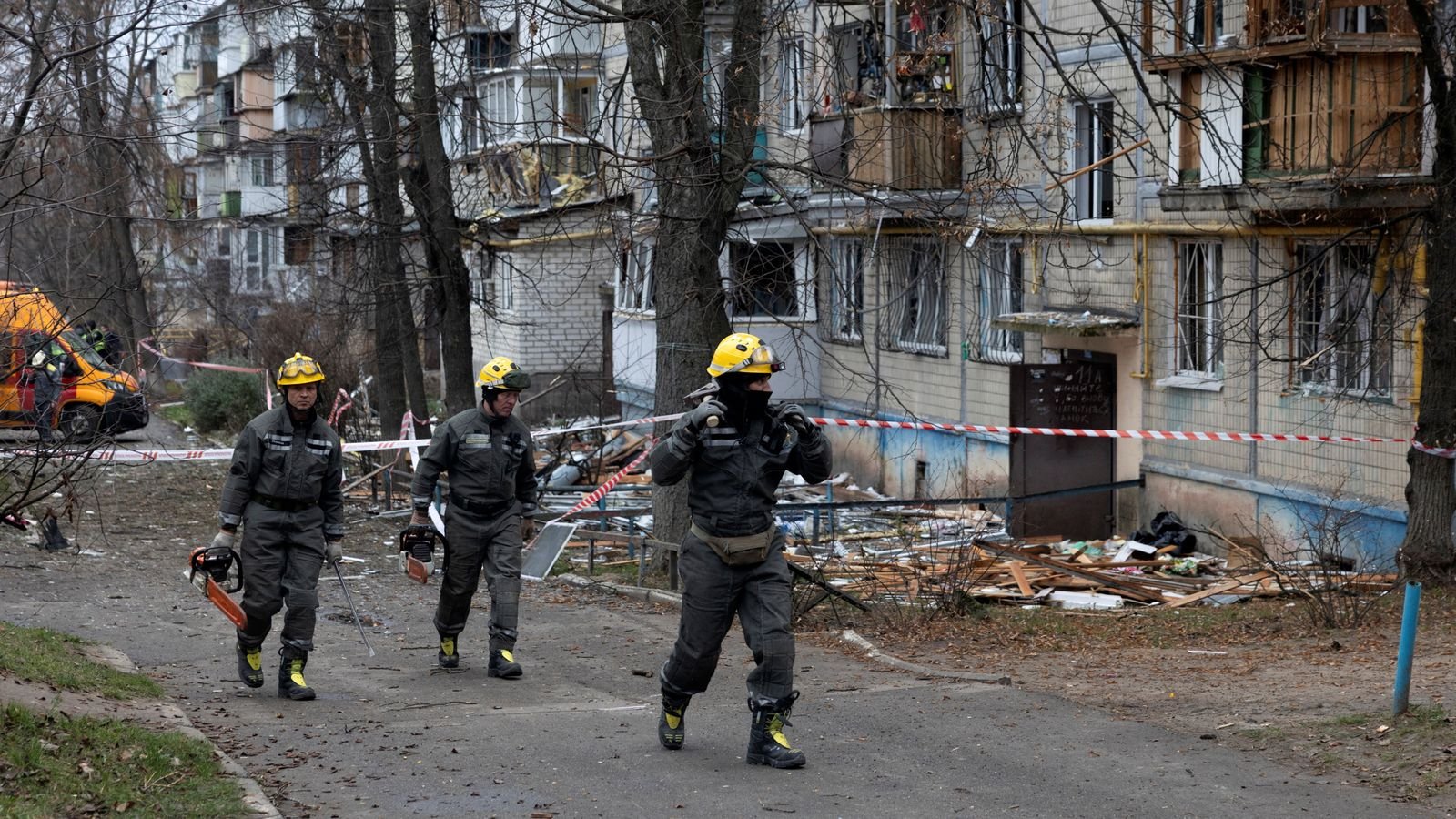
Despite recent discussions that included US special envoy Steve Witkoff and Russian President Vladimir Putin, no significant breakthroughs have been reported, leaving the Ukrainian populace to face continued hardships. The latest bombings in Ukraine involved over 600 drones and multiple missile strikes, causing substantial damage but also showcasing the resilience of Ukrainian defence capabilities.
Background
The conflict between Ukraine and Russia, sparked by Russia’s annexation of Crimea in 2014 and exacerbated by ongoing military aggression, has drawn international attention, influencing geopolitical dynamics not only in Eastern Europe but also affecting the UK and its allies. As peace negotiations continue, the potential for a resolution remains fraught with challenges, but the introduction of free economic zones may provide a new avenue for dialogue.
In a concurrent message of unity released just before Christmas, President Zelenskyy emphasized the indomitable spirit of the Ukrainian people. He proclaimed that, despite the suffering caused by Russian military actions, the essence of Ukraine remains intact, united in facing challenges together.
Source: Original Article