






















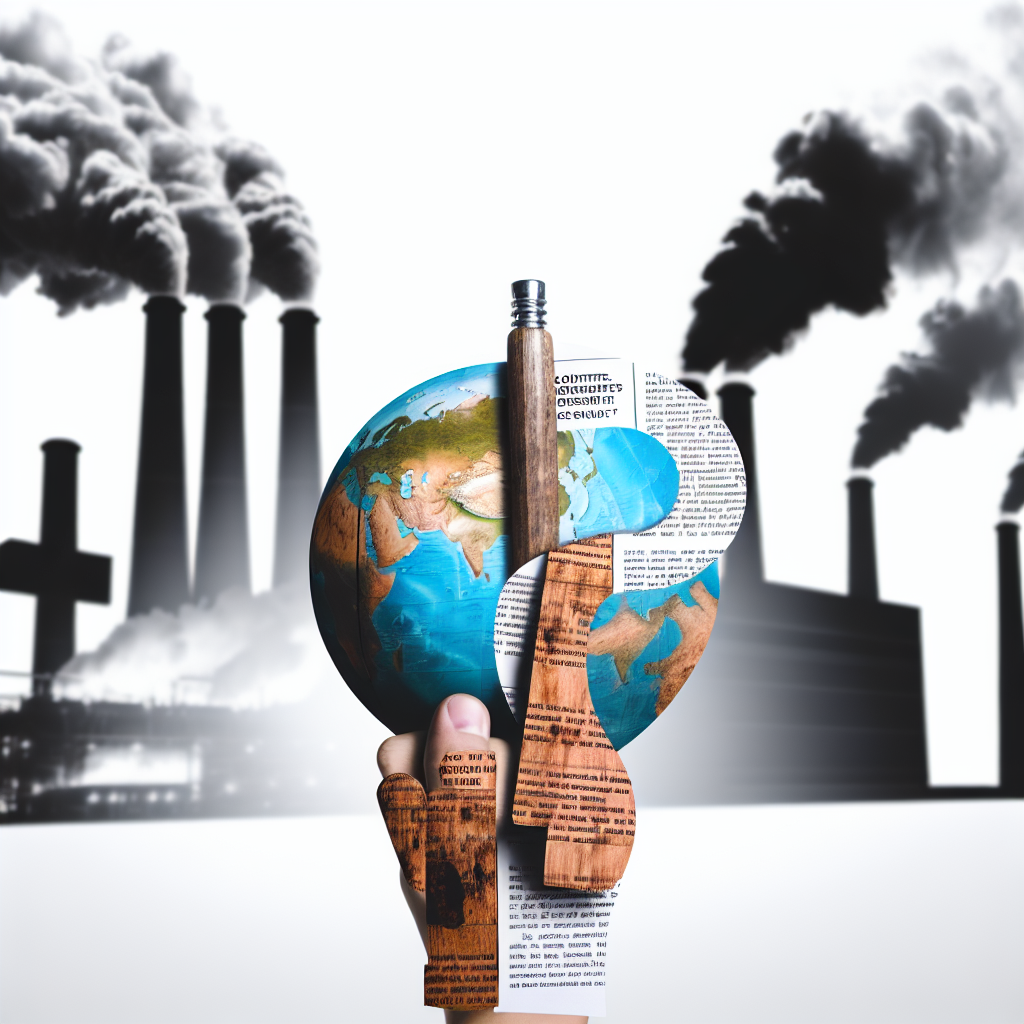
A Dispute on Fossil Fuels at COP30 Climate Talks in Brazil
The ongoing COP30 UN climate talks in Belém, Brazil, are facing significant contention over commitments to reduce fossil fuel use. With the summit nearing its conclusion, negotiators report increasing difficulties in reaching a consensus among the 194 participating nations.
Contention Among Nations
The core of the disagreement revolves around the expected strength of commitments to limit fossil fuel consumption, currently recognized as the foremost contributor to climate change. While nations like the UK and Brazil’s President Luiz Inácio Lula da Silva advocate for more robust action, others, including oil-producing countries such as Russia, Saudi Arabia, and India, are resisting these proposals.
Negotiations Amid Frustration
Inside the negotiating chambers, the atmosphere is tense, with one negotiator describing the discussions as filled with “fighting.” The situation reflects a broader struggle to align divergent national interests with the collective goal of addressing climate change effectively.
Previous Commitments and Draft Agreements
Prior to COP30, a deal achieved at COP28 in Dubai urged nations to transition away from fossil fuels. However, recent drafts emerging from the talks lack concrete references to fossil fuel usage, prompting criticism from various stakeholders.
French Environment Minister Monique Barbut remarked that the standoff is primarily driven by countries reliant on fossil fuels, leaving negotiators with “nothing left” to work with.
UK’s Stance
During media interactions, UK Secretary of State for Energy Security and Net Zero, Ed Miliband, expressed determination to keep discussions on fossil fuel limitations relevant at the summit. He acknowledged the challenges but reaffirmed the necessity of a clear roadmap for reducing fossil fuel dependence.
Miliband emphasized the accountability future generations will expect from today’s leaders, driving home the urgency of taking substantial climate action now.
Challenges from Developing Nations
Some developing nations are withholding support for stronger fossil fuel commitments, citing the need for richer countries to fulfill financing promises aimed at aiding their climate resilience and adaptation efforts. Aisha Moriana, leading Pakistan’s delegation, stressed the priority for financial support to address current emissions challenges.
Wider Climate Issues at the Summit
In addition to fossil fuel use, discussions at COP30 encompass climate finance disparities. The latest draft suggests goals to triple available funding for affected nations by 2030, yet it stops short of specifying whether this capital should come from wealthier nations or other sources, which could provoke further discontent among poorer countries.
Public Sentiment and Activism
The atmosphere at the summit is charged, with activists advocating for urgent climate action and protest banners prominently displayed. Youth climate campaigners are pushing for immediate steps to confront environmental risks, arguing their futures are at stake.
Background
The COP climate summits have historically aimed to foster international cooperation in tackling global warming and its associated challenges. Previous agreements have seen varying levels of success, with many nations grappling with the complexities of implementing international commitments while safeguarding national interests.
Recent Incidents
The summit has faced interruptions, including two evacuations caused by protests and a fire incident, underscoring the high tensions surrounding climate discussions and the increasing public demand for action.
As the COP30 talks proceed, observers remain cautious about the likelihood of a favorable outcome, given the complexities inherent in negotiating meaningful climate commitments on a global stage.






