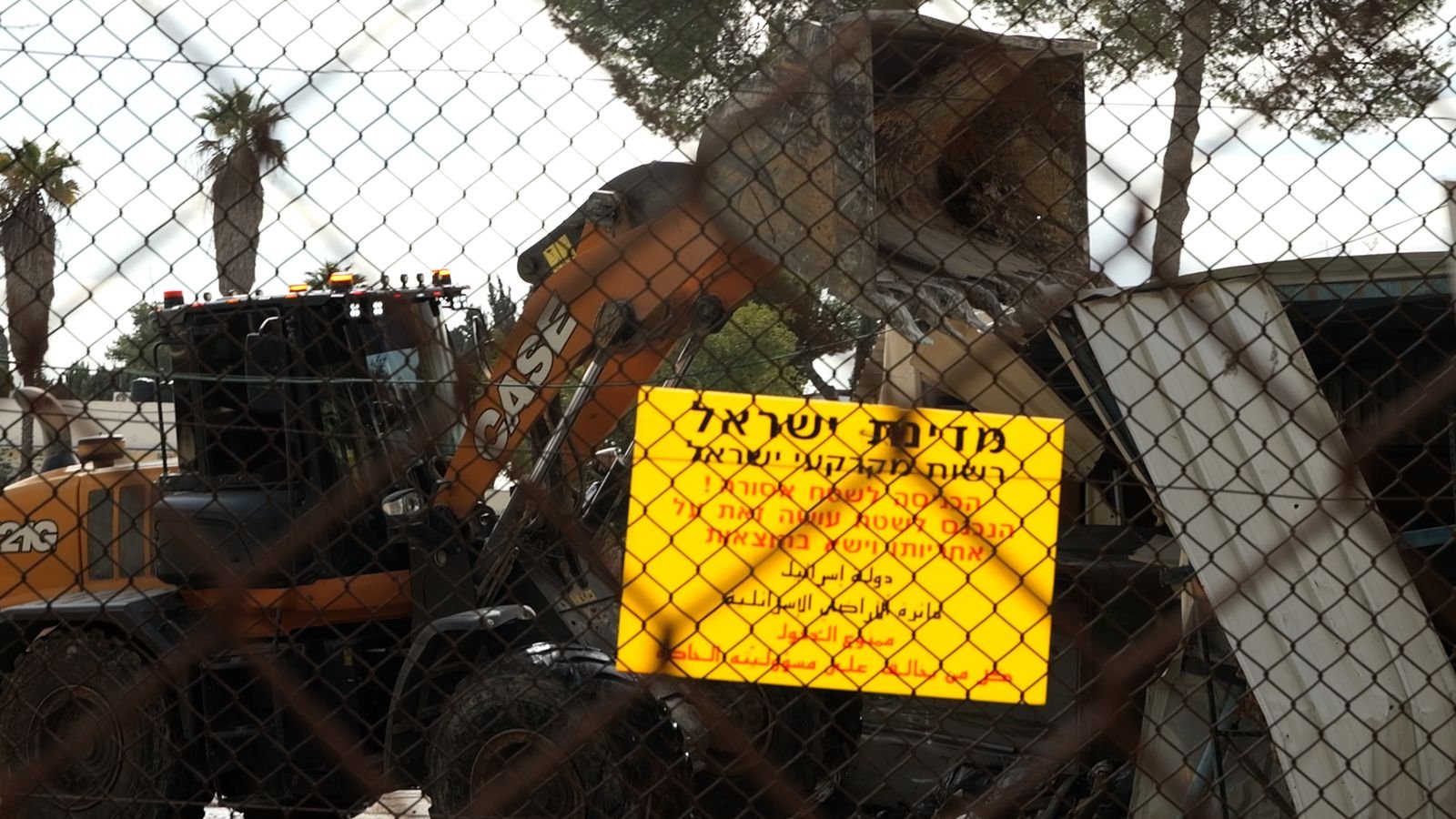
UN Condemns Israel’s Demolition of UNRWA Compound in East Jerusalem
The United Nations has expressed grave concern over Israel’s recent demolition of a long-standing compound used by the United Nations Relief and Works Agency (UNRWA), which has provided support to Palestinian refugees since its inception in 1951. The Israeli government plans to convert the site into a new settlement, a move described by UN officials as a violation of international law.
Demolition and Government Response
Heavy machinery was deployed to the compound in East Jerusalem, destroying several structures, notably a former barracks. Itamar Ben-Gvir, Israel’s national security minister, visited the site during the demolition and hailed the occasion as a significant moment for governance in Jerusalem. He accused UNRWA staff of supporting terrorism, a claim that has been consistently denied by the agency.
Israel has long claimed that UNRWA operates with connections to Hamas and other militant groups, which it asserts poses a threat to its national security. In light of this, the Israeli government initiated legislation banning UNRWA’s activities last year, leading to the evacuation of staff from the compound.
International Reactions
In its statement, UNRWA condemned the demolition, calling it “a new level of open and deliberate defiance of international law.” The organization has consistently rejected allegations linking it to militant activities and has stated that it has investigated claims of misconduct thoroughly.
The Palestinian Authority characterized the demolitions as a “dangerous escalation” and an infringement on the privileges of UN agencies. A UN official dismissed Israeli claims justifying the demolition as unfounded, stating that they do not change the legal status of the site, which is considered inviolable under international treaties.
Background
This demolition comes amid ongoing tensions between Israel and various international bodies, including the UN, which Israel often claims is biased against it. Recently, disputes have arisen over allegations of famine in Gaza and accusations that Israel is committing acts of genocide, provoking strong reactions from Israeli authorities.
Adding to the complexity, the site was deemed occupied territory following the 1967 war, and international law stipulates that UN premises cannot be breached without permission from the organization.
Implications and Next Steps
The Israeli government has defended its actions, arguing that the compound is now under its jurisdiction and that UNRWA’s claims of immunity are void due to the site’s current status. The ongoing legal and diplomatic disputes could have significant implications for the already fragile situation in the region and raise questions about the future of humanitarian operations within this contested area.
Source: Original Article