























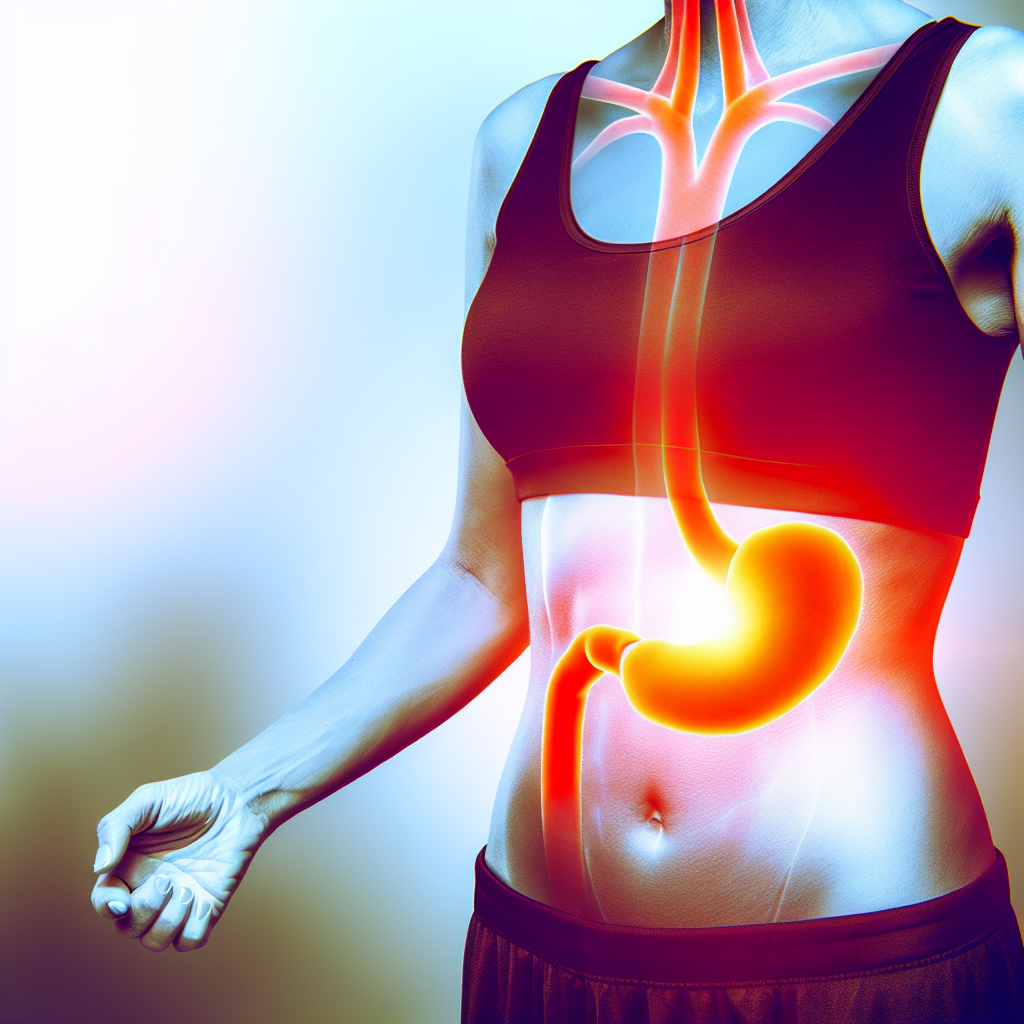
What is Metabolism?
Metabolism refers to the complex biochemical processes that occur within the body to convert food into energy. It encompasses all the physical and chemical changes that serve to maintain life. These processes support vital functions such as breathing, circulation, and cell production.
How Metabolism Works
The metabolic process can be divided into two main categories: catabolism and anabolism.
- Catabolism: This is the process through which larger molecules are broken down into smaller units. This breakdown releases energy, which is used for various bodily functions.
- Anabolism: In contrast, anabolism involves the building up of smaller molecules into larger, complex structures. This requires energy and is essential for growth and repair of tissues.
Energy Production in the Body
The body obtains energy primarily from macronutrients found in food, including carbohydrates, proteins, and fats. Here’s how each contributes:
- Carbohydrates: These are often the body’s first choice for energy. They are broken down into glucose, which is readily used for fuel.
- Fats: When carbohydrate stores are low, the body turns to fat. Fats are broken down into fatty acids and used for energy, particularly during prolonged periods of activity.
- Proteins: While primarily used for building and repairing tissues, proteins can be converted to energy if needed, particularly during intense physical exertion or fasting.
Factors Influencing Metabolism
Several factors can influence the rate and efficiency of metabolism:
- Age: Metabolic rate tends to decrease with age due to a reduction in muscle mass and hormonal changes.
- Body Composition: More muscle mass typically leads to a higher metabolic rate, as muscles require more energy to maintain than fat tissue.
- Physical Activity: Regular exercise can boost metabolism by building muscle and enhancing energy expenditure.
- Genetics: Some individuals naturally have a faster or slower metabolism due to genetic factors.
Supporting a Healthy Metabolism
Maintaining a healthy metabolism can be supported through various lifestyle choices:
- Regular Exercise: Incorporating both aerobic and strength-training workouts can help build muscle mass and enhance metabolic rate.
- Balanced Nutrition: Eating a variety of nutrient-dense foods can provide the body with the necessary components for efficient energy production.
- Hydration: Staying well-hydrated is crucial, as even mild dehydration can negatively impact metabolic function.
- Sufficient Sleep: Quality sleep is essential for hormonal balance, which in turn supports metabolism.
Conclusion
Understanding metabolism is essential for recognizing how the body utilizes energy from food. By learning about the factors that influence metabolic processes, individuals can make informed choices that support their overall health and well-being.






