






















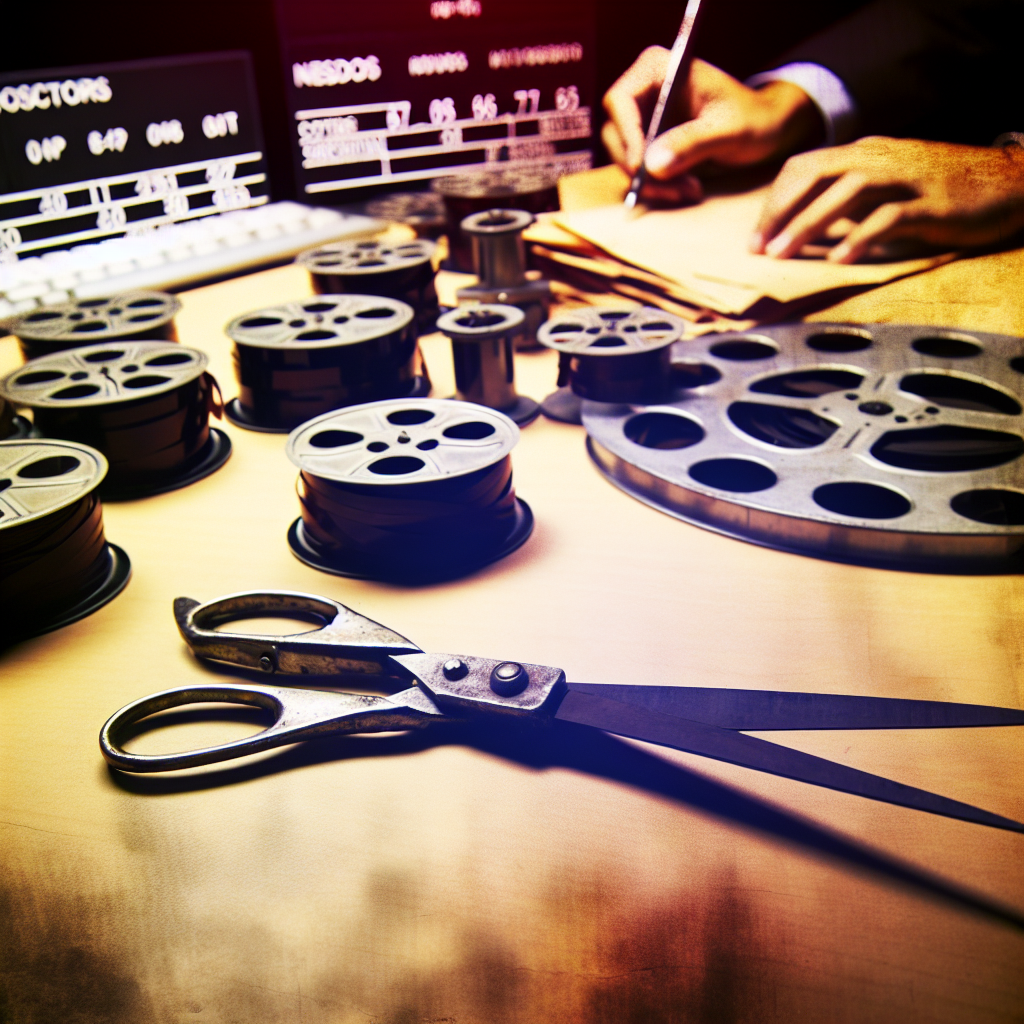
Introduction to Film Editing
Film editing is a crucial component of filmmaking, often described as the “invisible art.” It shapes the narrative, builds emotional responses, and enhances the overall viewing experience. This article explores classical film editing techniques, diving into the historical context, notable movements, and influential figures that have shaped how films are edited.
The Evolution of Film Editing
From the earliest days of silent cinema, editing has evolved dramatically. Pioneers like Edwin S. Porter and D.W. Griffith laid the groundwork, showcasing how cuts could influence storytelling through techniques such as cross-cutting and parallel editing.
Key Editing Techniques
- Continuity Editing: This technique aims to create a seamless flow of action, making the transitions between shots appear invisible. It relies heavily on the 180-degree rule, matching eyelines, and shot/reverse shot patterns to preserve spatial and temporal coherence.
- Montage: Rooted in early Soviet cinema, montage juxtaposes disparate shots to generate meaning. Filmmakers like Sergei Eisenstein used this method to elicit emotional responses and drive political narratives, exemplified in his seminal work “Battleship Potemkin.”
- Jump Cuts: Popularized by directors like Jean-Luc Godard during the French New Wave, jump cuts disrupt the flow to create a sense of urgency or reflect a character’s inner turmoil. They challenge the traditional continuum and invite viewers to engage critically with the narrative.
- Match Cuts: This technique involves cutting from one shot to another with similar visual elements or themes. It serves to create symbolic associations and can bridge disparate scenes, enhancing thematic depth.
- Cross-Cutting: This method alternates between two or more scenes occurring simultaneously, heightening tension and creating narrative parallels. It has been widely used by filmmakers like Alfred Hitchcock and Martin Scorsese.
Influential Filmmakers and Movements
Throughout film history, various filmmakers have embraced and advanced editing techniques to convey their artistic visions. Here are a few notable contributors:
- Alfred Hitchcock: Known as the “Master of Suspense,” Hitchcock meticulously employed editing to control pacing and build tension in films like “Psycho” and “Rear Window.”
- Sergio Leone: A pivotal figure in the Spaghetti Western genre, Leone’s use of long takes and abrupt cuts revolutionized pacing and audience anticipation, especially evident in “The Good, the Bad and the Ugly.”
- Francois Truffaut: A leading figure of the French New Wave, Truffaut used jump cuts and non-linear narratives to reflect contemporary societal issues, making films like “The 400 Blows” a hallmark of cinema.
- Andrei Tarkovsky: Tarkovsky’s approach to editing favored long takes and minimal cuts to cultivate an introspective atmosphere, evident in films like “Solaris” and “Andrei Rublev.”
Modern Applications of Classical Techniques
While classical editing techniques have their roots in early cinema, they continue to be equally relevant in contemporary filmmaking. Today’s cineastes often blend old and new methods to create unique storytelling experiences. The resurgence of interest in these techniques can be seen in various film genres and styles, from independent productions to blockbuster franchises.
Conclusion
The art of editing remains a fundamental aspect of film that balances technical precision with creative expression. As cinema evolves, understanding these classical techniques gives us deeper insights into the narratives we consume. By studying the history of film editing, we appreciate the craft not only as a tool of storytelling but as an essential medium for artistic innovation.






