Introduction to Microorganisms
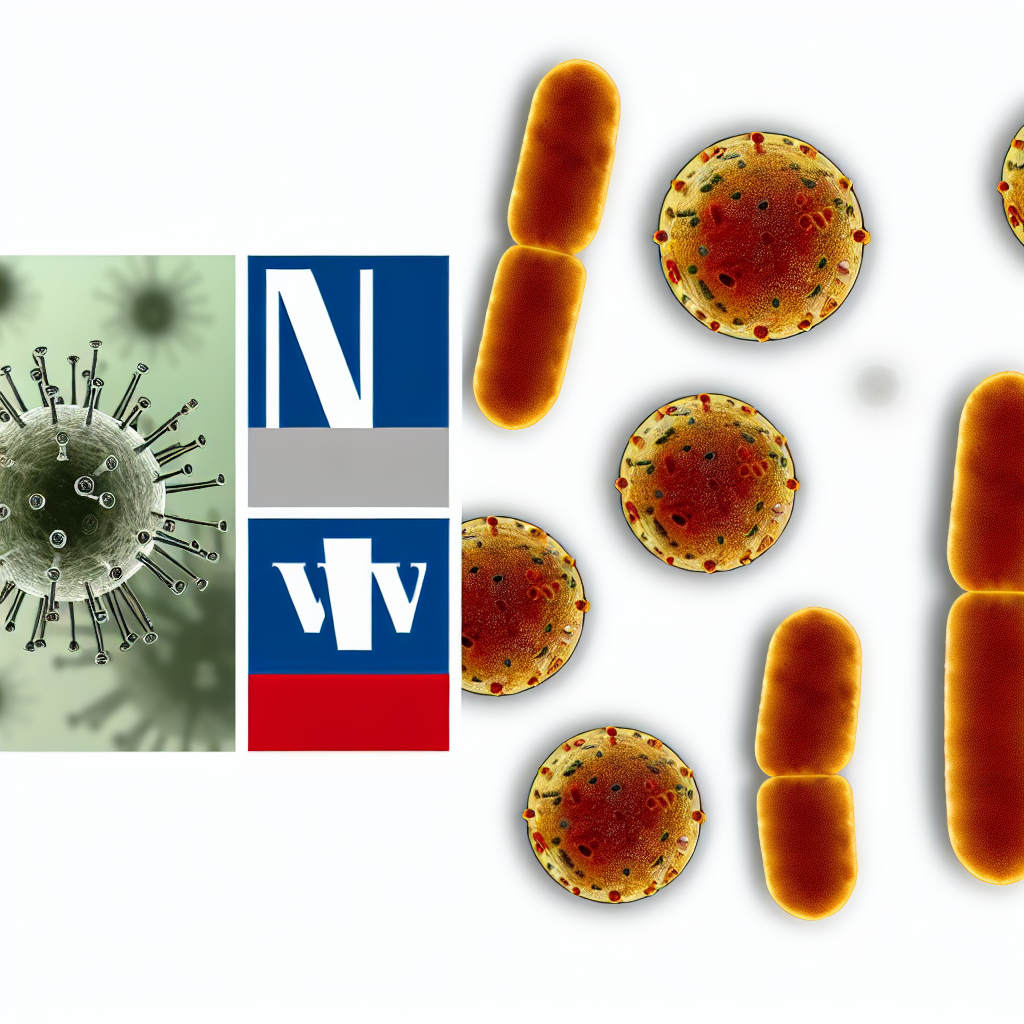
Microorganisms are a diverse group of microscopic entities that include bacteria, viruses, fungi, and protozoa. Among these, bacteria and viruses are the most studied due to their significant impact on health, ecology, and industry. Understanding the differences between these two types of microorganisms is crucial for public health and disease management.
Bacteria: Characteristics and Function
Bacteria are single-celled prokaryotic organisms that can be found in a wide variety of environments, including soil, water, and inside other living organisms. They exhibit several key characteristics:
- Cell Structure: Bacteria have a complex cell structure, which includes a cell wall, cell membrane, cytoplasm, and genetic material organized in a single circular chromosome.
- Reproduction: Bacteria primarily reproduce asexually through binary fission, where a single cell divides into two identical daughter cells.
- Metabolism: Bacteria can be autotrophic or heterotrophic, meaning they can produce their own food or rely on other organisms for nutrients.
- Size: Bacteria typically range from 0.5 to 5 micrometers in diameter.
- Response to Antimicrobials: Many bacterial infections can be treated with antibiotics, which target specific bacterial functions and structures.
Viruses: Characteristics and Function
Viruses are much smaller than bacteria, typically ranging from 20 to 300 nanometers in size. They are unique entities as they are not classified as living organisms. The primary features of viruses include:
- Structure: Viruses consist of a core of genetic material (either DNA or RNA) surrounded by a protein coat (capsid), and sometimes a lipid envelope.
- Replication: Viruses cannot reproduce independently; they must infect a host cell and hijack the host’s cellular machinery to replicate and produce new virions.
- Metabolism: Viruses lack metabolic processes and cannot carry out biochemical reactions outside of a host cell.
- Size: Viruses are generally much smaller than bacteria, often requiring electron microscopy for visualization.
- Treatment: Viral infections are typically not treated with antibiotics; antiviral medications may inhibit specific stages of the viral lifecycle.
Key Differences Between Viruses and Bacteria
Understanding the differences between bacteria and viruses can aid in effective diagnosis and treatment:
- Living Status: Bacteria are considered living organisms, while viruses are not classified as living due to their inability to reproduce or carry out metabolic processes independently.
- Size: Bacteria are larger than viruses, with a size range of micrometers compared to the nanometer scale of viruses.
- Reproduction: Bacteria can reproduce independently; viruses require a host cell for replication.
- Response to Treatment: Antibiotics are effective against bacterial infections but ineffective against viruses, which require antiviral treatments.
- Genetic Material: Bacteria typically have circular DNA, while viruses can possess either DNA or RNA, which may be single or double-stranded.
Conclusion
Both bacteria and viruses play significant roles in various ecosystems and human health. Understanding their key differences facilitates better disease management and treatment approaches. Continued research in microbiology remains vital for developing strategies to combat infections and utilize these organisms in beneficial ways.