






















Understanding Microorganisms: The Key Differences Between Viruses and Bacteria
Microorganisms are tiny living organisms that can only be seen under a microscope. They play significant roles in our environment, as well as in human health. Two major types of microorganisms are viruses and bacteria. Although they are often mentioned together, they have distinct characteristics and behaviors.
Definition and Structure
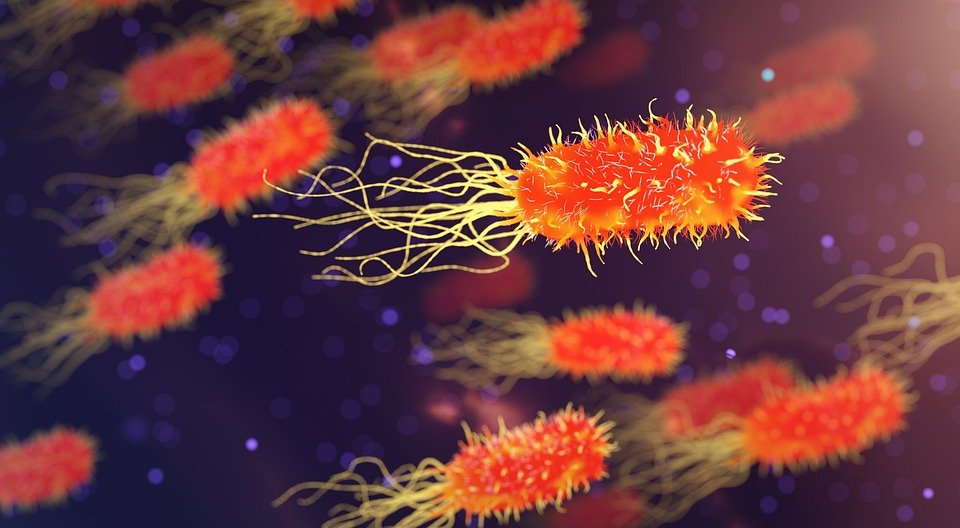
Bacteria are single-celled organisms that have a simple structure. They possess a cell wall and can reproduce independently. Common shapes for bacteria include rods, spheres, and spirals.
Viruses, on the other hand, are much smaller than bacteria and are not considered living organisms. They consist of genetic material encased in a protein coat and require a host cell to replicate. Unlike bacteria, viruses cannot carry out metabolic processes on their own.
Reproduction
Bacteria reproduce through a process called binary fission, where one bacterium splits into two. This process can happen rapidly under favorable conditions.
Viruses reproduce by infecting a host cell. Once inside, they hijack the cellular machinery of the host to make copies of themselves. This often leads to the destruction of the host cell.
Living Conditions
Bacteria can thrive in a variety of environments, including soil, water, and even within the human body. Many bacteria are beneficial and contribute to processes such as digestion and nutrient absorption.
Viruses, however, cannot survive outside of a host. They do not have the cellular structures needed to live independently and must find a suitable host to reproduce and spread.
Effects on Human Health
- Bacteria: Some bacteria can cause infections and diseases, while others are essential for maintaining good health.
- Viruses: Viruses are known to cause a variety of illnesses, ranging from the common cold to more severe diseases. However, they can also play a role in gene therapy and vaccine development.
Treatment Approaches
Bacterial infections can often be treated with antibiotics, which specifically target bacterial cells. However, antibiotic misuse can lead to resistance, making it crucial to follow healthcare guidelines.
In contrast, there are no effective treatments for viral infections with antibiotics. Antiviral medications can sometimes help manage symptoms or shorten the duration of an illness, but prevention through vaccines and hygiene practices is often the best strategy.
Conclusion
Understanding the key differences between viruses and bacteria is essential for recognizing their impact on health. Bacteria can be beneficial or harmful, while viruses typically require a host to replicate and cause illness. Awareness of these distinctions aids in proper hygiene practices and health management.






