






















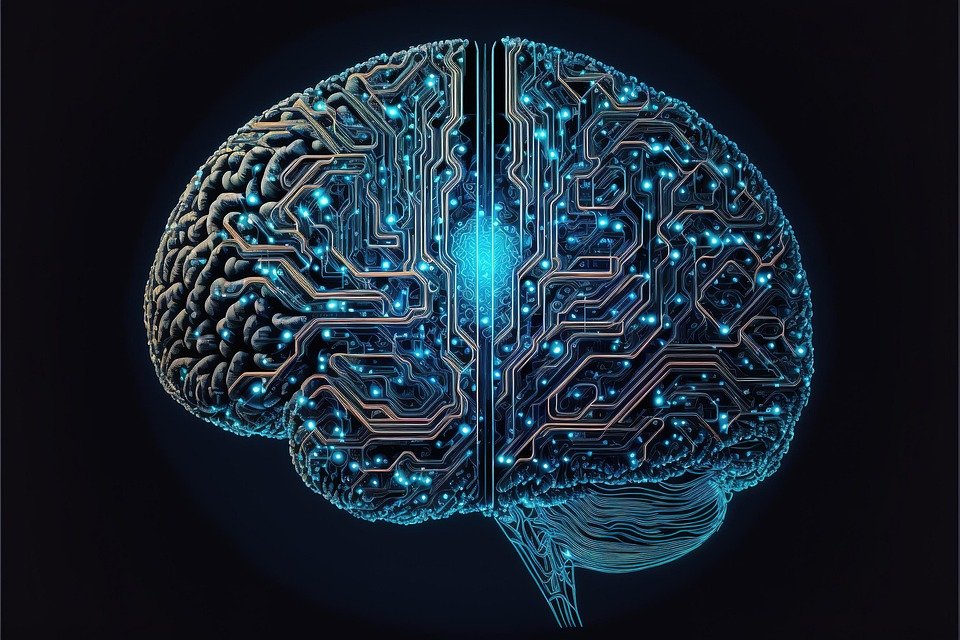
Introduction to the Brain
The human brain is a complex organ that serves as the control center for the entire body. It is responsible for processing information and enabling us to think, learn, and remember. Understanding how the brain processes information can provide valuable insights into human behavior and cognition.
Structure of the Brain
The brain is made up of several key parts, each with its own functions. These include:
- Cerebrum: The largest part of the brain, divided into two hemispheres, responsible for higher brain functions such as thought and action.
- Cerebellum: Located at the back of the brain, it is responsible for coordination and balance.
- Brainstem: This part connects the brain to the spinal cord and controls basic life functions such as breathing and heart rate.
- Limbic System: Involved in emotions, memory, and motivation.
How Information is Processed
The brain processes information through a series of electrical and chemical signals. Here’s a basic overview of how this process works:
- Sensory Input: Information from our environment is collected by our senses, such as sight, hearing, and touch.
- Transmission: Sensory information is transmitted to the brain via nerve cells (neurons), which communicate through electrical impulses.
- Processing: Within the brain, information is processed in various regions depending on the type of input. Different areas specialize in different functions, such as language or spatial awareness.
- Response: After processing, the brain formulates a response, which is then sent to the rest of the body, leading to action or reflexes.
The Role of Neurotransmitters
Neurotransmitters are chemicals that facilitate communication between neurons. They play a crucial role in how information is conveyed in the brain. Some well-known neurotransmitters include:
- Dopamine: Often associated with pleasure and reward.
- Serotonin: Plays a role in mood regulation and overall well-being.
- Acetylcholine: Important for learning and memory.
Factors Affecting Brain Function
Several factors can influence how the brain processes information. These include:
- Nutrition: A balanced diet rich in nutrients supports brain health.
- Sleep: Adequate rest is essential for cognitive function and memory consolidation.
- Exercise: Physical activity increases blood flow to the brain and can enhance cognitive abilities.
- Mental Stimulation: Engaging in challenges, such as puzzles and learning new skills, can improve brain function.
Conclusion
The brain is a remarkable organ that processes vast amounts of information every second. Understanding its structure and functions helps us appreciate the importance of maintaining a healthy lifestyle to support cognitive abilities. Acknowledging how various factors influence brain health can encourage better practices for overall wellness.






