Understanding the Fundamentals: An Introduction to Rugby Rules and Gameplay
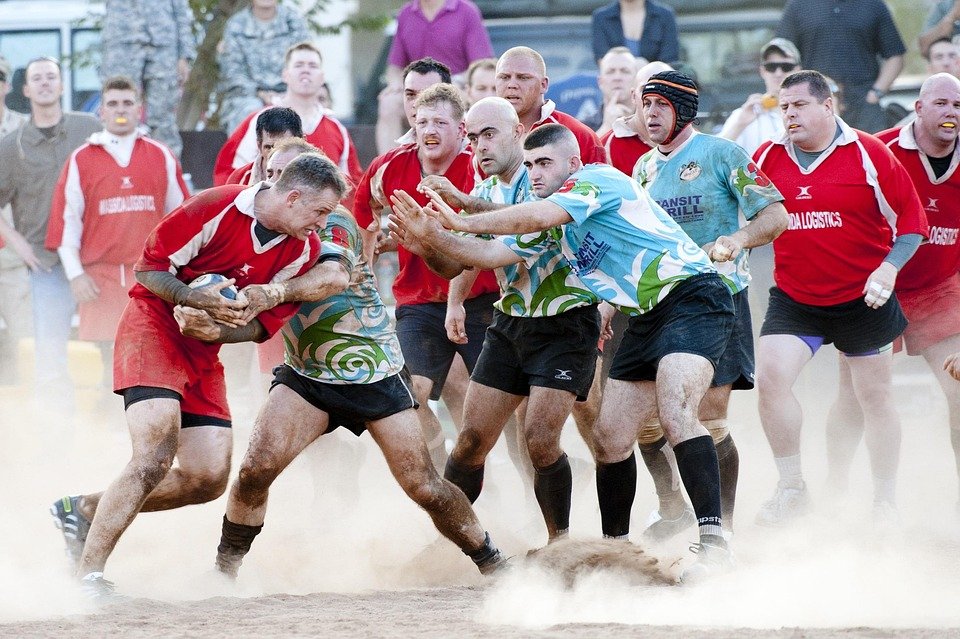
Rugby is a dynamic and physically demanding sport that has captivated audiences around the world. Originating in England in the early 19th century, rugby has evolved over time into several distinct forms, including Rugby Union and Rugby League, each with its own set of rules and style of gameplay. This article aims to explore the fundamental rules and gameplay of rugby, providing a solid foundation for understanding this exhilarating sport.
Basic Rules of Rugby
While there are variations between Rugby Union and Rugby League, several fundamental rules are common across both forms:
- Objective: The primary objective is to score more points than the opposing team by carrying, passing, and kicking the ball into the opponent’s in-goal area.
- Teams: Each team consists of 15 players in Rugby Union and 13 players in Rugby League. Players are categorized into forwards and backs, each with specific roles.
- The Ball: A rugby ball is oval-shaped and can be advanced either by running with it or by kicking it forward. The ball can only be passed laterally or backward; forward passes are not permitted.
Scoring in Rugby
Understanding how to score points is crucial for grasping the gameplay:
- Try: A try is scored when a player grounds the ball in the opponent’s in-goal area, earning 5 points in Rugby Union and 4 points in Rugby League.
- Conversion: After a try, the scoring team has the opportunity to attempt a conversion kick, which, if successful, adds 2 points to their score.
- Penalty Kick: If a foul is committed, the non-offending team may kick for goal, which is worth 3 points in both forms of rugby.
- Drop Goal: A player may score a drop goal (3 points) by kicking the ball through the goalposts during open play.
Gameplay Essentials
Rugby’s gameplay is defined by specific phases and tactics:
- Set Pieces: Scrum and lineout are essential to restarting play. A scrum occurs after minor infractions, allowing players to compete for possession, while a lineout is used to resume play after the ball goes out of bounds.
- Tackling: Tackling is a key element, with players only allowed to tackle the ball carrier. The aim is to halt the player’s progress while maintaining safety standards, such as making sure tackles are below the line of the shoulders.
- Rucks and Mauls: When the ball is on the ground, a ruck occurs if players from both teams converge over the ball. In a maul, the ball carrier is held up by opponents while teammates bind onto them.
Training and Techniques
Training for rugby involves a combination of physical fitness, skill development, and tactical understanding:
- Physical Conditioning: Rugby players require a mix of aerobic endurance, strength, agility, and explosive power. Training typically includes interval running, weightlifting, and plyometric exercises.
- Skill Drills: Players practice passing, kicking, tackling, and positioning through various drills to enhance their technical abilities.
- Tactical Understanding: Teams must build strategies based on their strengths and weaknesses and those of their opponents. This often includes analyzing game footage and participating in tactical discussions.
Historical Development
Understanding the historical context of rugby enriches one’s appreciation of the sport:
- Origins: Rugby’s roots can be traced back to various forms of football played in English public schools. The sport was officially codified in 1871, leading to the formation of the Rugby Football Union.
- Split into Codes: The sport split into Rugby Union and Rugby League in the late 19th century due to a dispute over player payments, each developing distinct rules and styles.
In conclusion, rugby is a sport rich in tradition and complexity, grounded in specific rules and gameplay mechanics that enhance its appeal. Players, coaches, and fans must understand these fundamentals to appreciate the strategic depth and athleticism rugby demands. By adhering to these established principles, the sport continues to thrive, drawing players and supporters from diverse backgrounds around the globe.