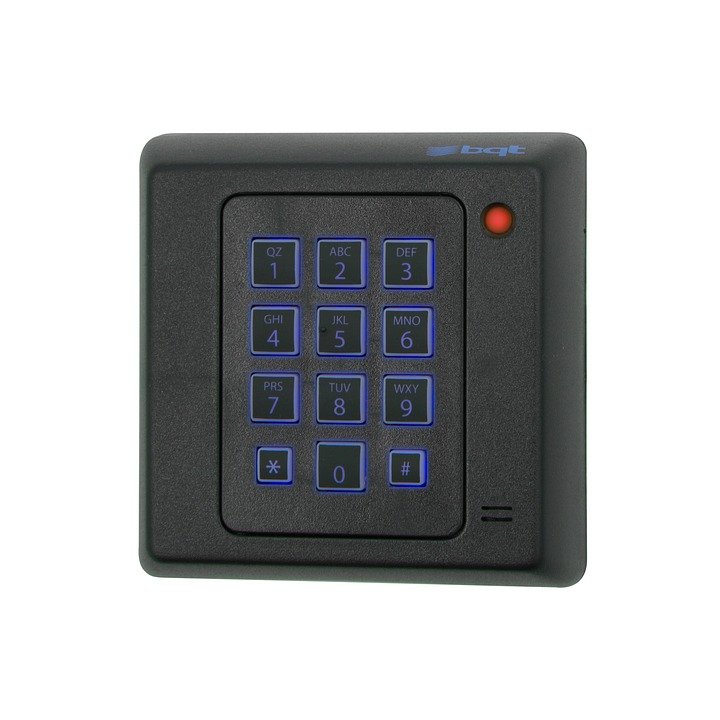
In an age where digital interactions are pervasive, the importance of cybersecurity has escalated significantly. One of the most fundamental aspects of cybersecurity is the use of strong passwords. This article seeks to elucidate why strong passwords are essential and how to create them effectively.
Understanding Passwords
A password is a string of characters used to authenticate a user’s identity over a digital platform. Passwords serve as the first line of defense against unauthorized access to sensitive information and personal accounts.
The Importance of Strong Passwords
Strong passwords are integral to safeguarding personal and professional data. Here are some reasons why they are crucial:
- Protection Against Unauthorized Access: A strong password mitigates the risk of unauthorized individuals accessing sensitive accounts, such as email, banking, and social media.
- Deterrent to Attacks: Cybercriminals often use automated tools to crack weak passwords. Strong passwords can deter these attacks by increasing the time and effort needed for unauthorized access.
- Defense Against Identity Theft: With robust passwords, individuals can significantly reduce the risk of identity theft, which can have severe personal and financial consequences.
Characteristics of Strong Passwords
To create a strong password, consider the following features:
- Length: A strong password is typically at least 12 characters long. Longer passwords are harder to crack using brute force attacks.
- Complexity: Use a combination of uppercase letters, lowercase letters, numbers, and symbols. This variety makes it more difficult for unauthorized individuals to guess the password.
- Avoid Common Words: Do not use easily guessable information such as names, birthdates, or common words. Cybercriminals often rely on dictionaries of common passwords when attempting to gain unauthorized access.
- Unique Passwords: Each account should have a unique password. Reusing passwords across multiple accounts increases vulnerability, as a breach in one account could compromise others.
Best Practices for Managing Passwords
Alongside creating strong passwords, it is essential to manage them effectively:
- Use a Password Manager: A password manager can help generate and store complex passwords securely, reducing the burden of remembering each one.
- Enable Two-Factor Authentication (2FA): Whenever possible, use 2FA, which adds an additional layer of security by requiring a second form of identification beyond just the password.
- Regular Updates: Change your passwords regularly, and immediately update them if you suspect any unauthorized attempts to access your accounts.
- Be Aware of Phishing: Stay vigilant against phishing attacks that attempt to trick you into providing your password. Always verify the source before entering login credentials.
Conclusion
In conclusion, strong passwords are a vital component of cybersecurity. By understanding their importance and following best practices for creation and management, individuals can take significant steps to protect their digital lives. As technology continues to evolve, adhering to these fundamental principles will remain essential in safeguarding sensitive information and maintaining online security.