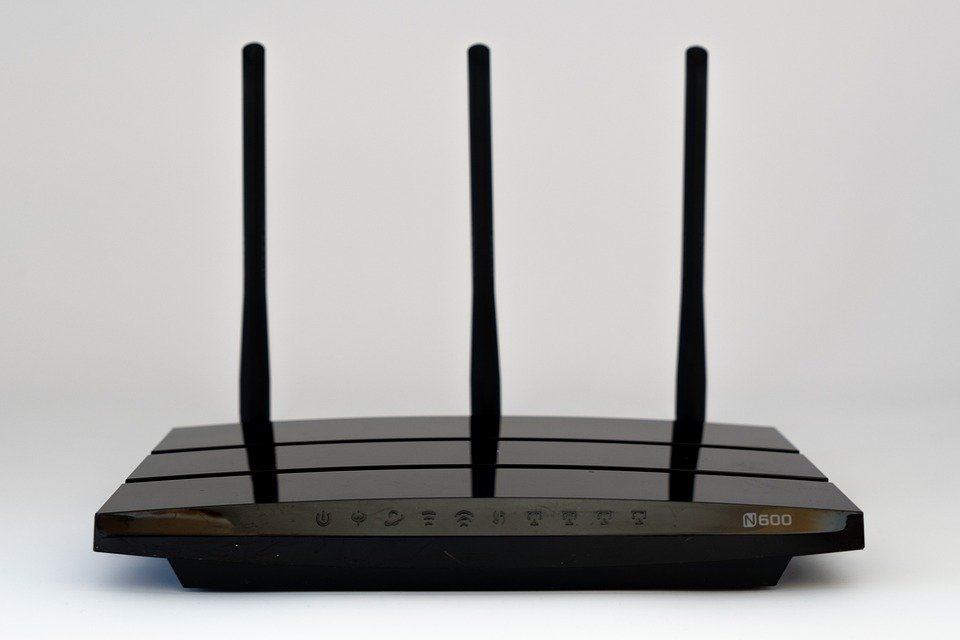
In the realm of modern Internet architecture, routers play a crucial role in facilitating communication between devices and networks. Understanding how routers function can provide an insight into the underlying structure of the Internet and the efficient management of data transmission.
What is a Router?
A router is a networking device that forwards data packets between computer networks. It acts as a dispatcher, directing incoming and outgoing internet traffic on the basis of the destination IP address of each packet. Unlike a switch, which operates within a single network, a router connects multiple networks, effectively enabling communication across different segments of the Internet.
Functionality of Routers
Routers perform several key functions that are essential for proper data transmission:
- Packet Forwarding: Routers examine the destination address of data packets and decide the best path for them to travel through the network.
- Network Address Translation (NAT): NAT allows multiple devices on a local network to be mapped to a single public IP address, conserving address space and enhancing security.
- Traffic Management: Routers can manage network traffic efficiently, ensuring that data packets are sent through the least congested paths.
- Firewall Functions: Many routers come equipped with built-in firewalls that help protect networks from unauthorized access and cyber threats.
Types of Routers
Routers can be categorized into several types based on their application and functionality:
- Core Routers: These routers operate within the backbone of the Internet and are responsible for routing data across the largest networks.
- Edge Routers: Positioned at the boundary of networks, edge routers connect to core routers and manage traffic entering or exiting a network.
- Wireless Routers: These routers provide wireless connectivity, allowing devices to connect to a network without physical cables.
- Virtual Routers: A software-based approach that can replicate the functionality of a hardware router, typically used in cloud computing environments.
The Importance of Routing Protocols
Routing protocols are essential for routers to communicate with one another and to make swift routing decisions. Commonly used protocols include:
- Border Gateway Protocol (BGP): This protocol manages how packets are routed across the Internet through the exchange of routing information between autonomous systems.
- Open Shortest Path First (OSPF): A link-state routing protocol used within an organization’s internal network to determine the most efficient route for data packets.
- Routing Information Protocol (RIP): An older protocol that uses a distance-vector routing algorithm to determine the best path based on the number of hops.
Security Considerations
As routers are critical access points to networks, security is paramount. Here are some common practices to enhance router security:
- Firmware Updates: Regularly updating the router’s firmware can protect against vulnerabilities.
- Change Default Passwords: Many routers come with default passwords that should be changed to prevent unauthorized access.
- Implementing Strong Encryption: Using protocols such as WPA3 for wireless connections can enhance security.
Conclusion
Routers serve as vital components in modern Internet architecture, ensuring efficient data transmission and connectivity between diverse networks. Understanding their functionality, types, and the importance of security can help users appreciate their role in the digital world. As the Internet continues to evolve, routers will remain essential to maintaining connectivity and managing network traffic.