Introduction
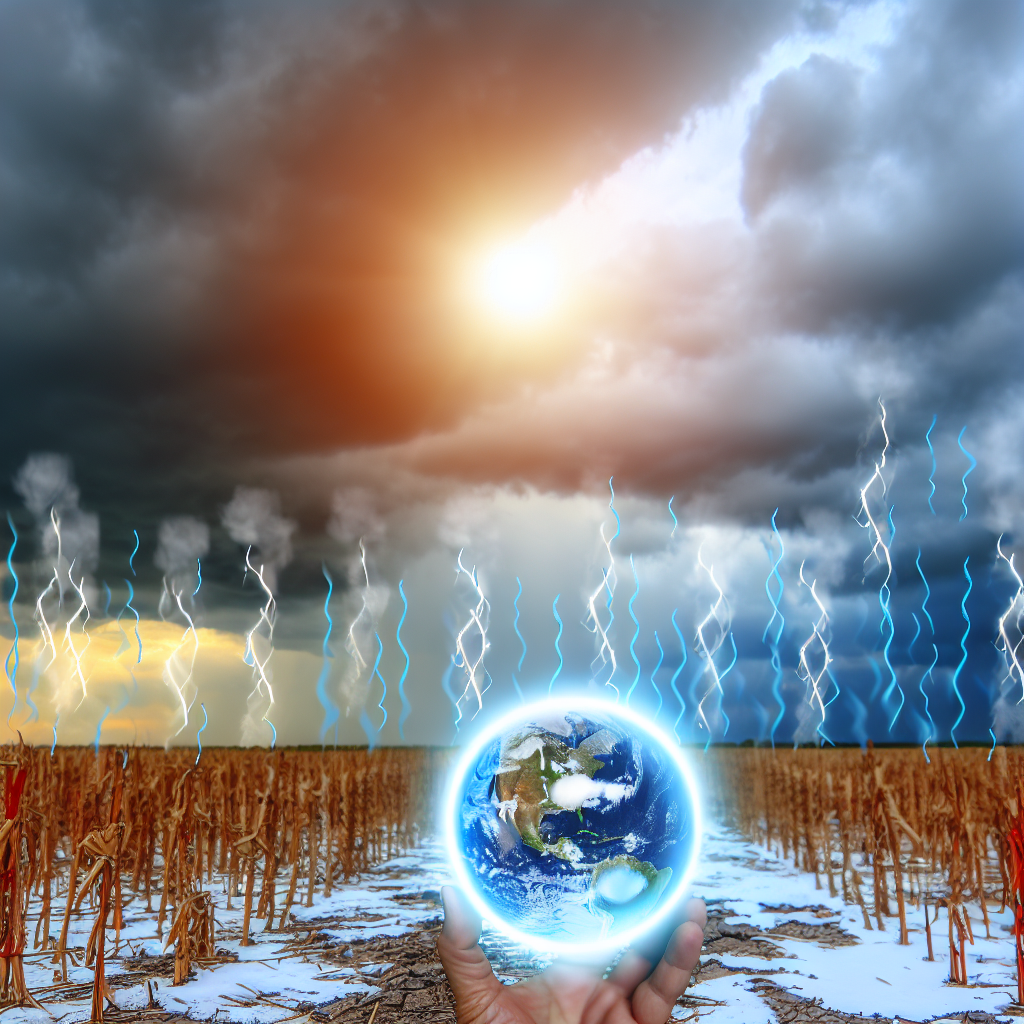
Climate change refers to long-term alterations in temperature, precipitation, wind patterns, and other elements of the Earth’s climate system. This phenomenon is primarily driven by human activities, particularly the burning of fossil fuels and deforestation, which increase concentrations of greenhouse gases in the atmosphere. In turn, climate change significantly influences global weather patterns, leading to various environmental consequences.
The Greenhouse Effect
The greenhouse effect is a natural process that warms the Earth’s surface. When the Sun’s energy reaches the Earth, some of it is reflected back to space, and the rest is absorbed, warming the planet. Greenhouse gases, such as carbon dioxide (CO2) and methane (CH4), trap some of this heat, preventing it from escaping into space. This process is essential for maintaining a stable climate; however, human activities have amplified this effect, leading to increased global temperatures.
Altered Temperature Patterns
As global temperatures rise, many regions are experiencing more extreme temperature fluctuations. This alteration impacts not only seasonal dynamics but also the overall climate profile of various regions. Some critical effects include:
- Heatwaves: Increased frequency and intensity of heatwaves can lead to severe health risks and crop failures.
- Cold snaps: Though counterintuitive, climate change can also lead to abrupt cold spells in certain regions due to disruptions in atmospheric circulation.
Changes in Precipitation
Climate change has been linked to shifts in precipitation patterns across the globe. This can result in:
- Increased Rainfall: Some areas may experience heavier and more frequent rainfall, leading to flooding and soil erosion.
- Droughts: Conversely, other regions might suffer from prolonged droughts, impacting water supply and agriculture.
Influence on Storm Events
Research has shown that climate change also contributes to the intensity and frequency of storm events, including hurricanes and tropical storms. Warmer ocean temperatures provide more energy for storms, leading to:
- Stronger Winds: Enhanced wind speeds can lead to more destructive storm systems.
- Increased Rainfall: As storms absorb more moisture, the resultant rainfall can be more intense, exacerbating flooding scenarios.
Impact on Ecosystems
The alterations in weather patterns due to climate change can have cascading effects on ecosystems. For instance, shifts in temperature and precipitation can affect:
- Plant Growth: Changes in climate can alter growing seasons, impacting food production and biodiversity.
- Wildlife Habitats: Many species may struggle to adapt to rapid climate changes, leading to shifts in species distribution and potential extinctions.
Conclusion
Understanding how climate change alters global weather patterns is crucial for developing effective mitigation and adaptation strategies. By incorporating scientific principles and recognizing the interconnectedness of various environmental factors, society can better prepare for the challenges posed by a changing climate. Continuous research and monitoring are essential in this endeavor to ensure the health of our planet for future generations.