






















Kinship Carers in the UK Faced with Unsuitable Living Conditions
Recent observations reveal that kinship carers in the UK are enduring difficult living situations, with many sacrificing personal space by sleeping on sofa beds to ensure the children in their care have a bed of their own. A lack of adequate support is a contributing factor to their struggles, pushing families into poverty.
The Growing Need for Kinship Care
According to Kinship charity, there are approximately 141,000 children across England and Wales being raised by relatives or friends due to their parents’ inability to care for them. This situation highlights the pressing need to keep children within their family networks rather than placing them in foster care.
The Experience of Kinship Carers
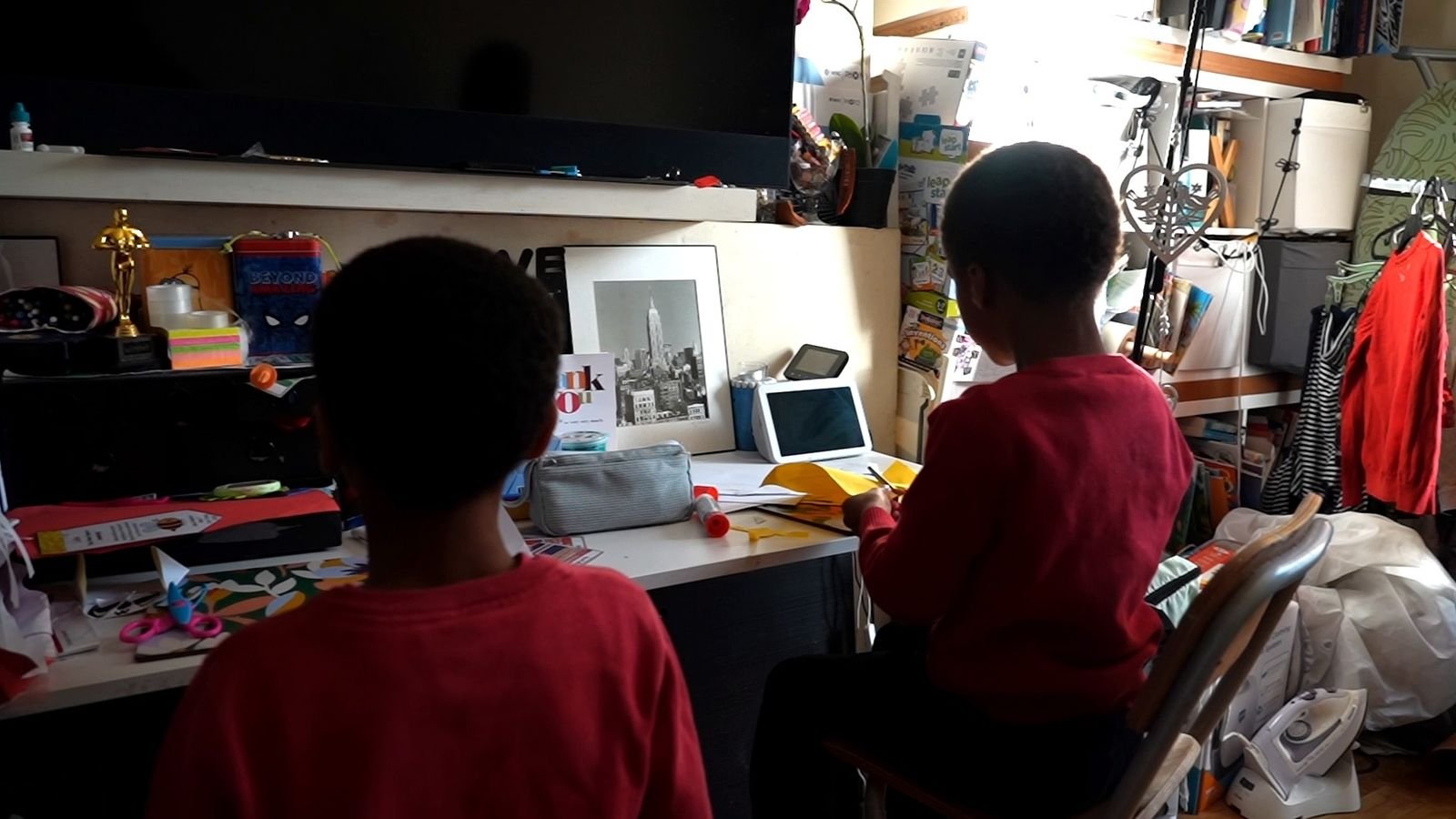
Leasa, a kinship carer who took in her two nephews with special needs, describes the challenges of her current living arrangement. She and her partner, Oly, have relinquished their own bedroom, opting for a sofa bed in the family area. This decision has led to physical discomfort for Leasa, who suffers from back and neck pain as a consequence of inadequate sleeping conditions.
“We’re all on top of each other,” Leasa explained about their cramped living situation, which offers little privacy or space for essential activities like sleeping and eating. With two children to care for, Oly emphasises the financial implications of such a commitment, noting that raising children in today’s economy can cost nearly £250,000 each by the age of 18.
Lack of Support for Kinship Families
The Kinship charity has reported that around one in five kinship carers are dealing with unsuitable living conditions due to inadequate support and space. Unlike foster carers, many kinship carers do not receive financial allowances or any form of practical support, creating financial hardship for families already under strain.
Nash, a midwife from Essex, faced a similar situation when she took in her three nieces and nephews following her sister’s cancer diagnosis and subsequent passing. Despite her commitment to her profession, Nash found herself unable to balance work responsibilities with her new family obligations, ultimately leading her to resign from her job.
Emotional and Financial Strain
Nash’s story illustrates the hidden challenges faced by kinship carers. The lack of workplace policies supporting their circumstances has compounded the emotional toll of their situation, leaving many feeling isolated and unsupported.
Lucy Peake, chief executive of Kinship charity, stated it is unacceptable that many kinship carers are forced to make such sacrifices, often at the expense of their own well-being. Many families are draining their savings or falling into debt to provide a stable environment for children who have already faced trauma and loss.
Potential Solutions on the Horizon
In response to these growing concerns, the UK Government is planning to trial Family Network Support Packages, aimed at providing necessary financial and practical assistance to extended families with caring responsibilities. Additionally, a new law is set to mandate local councils to clarify the support available for kinship carers.
A spokesperson for the Department of Education confirmed ongoing reforms to child social care systems, which aim to keep families united and reduce the number of children placed into care. Meanwhile, proposals in Scotland are advocating for consistent support for kinship families, addressing financial aid and accessibility issues.
Background
The challenges faced by kinship carers have been brought to light through various personal accounts and assessments indicating a significant gap in support systems for these families. As the number of children being raised by relatives continues to rise, the need for robust support mechanisms becomes increasingly urgent.
Source: Original Article






