US Considers Ground Operations Against Venezuelan Drug Gangs
The White House is contemplating land-based military actions against Venezuelan drug gangs, marking a significant escalation from previous strikes that have primarily targeted maritime vessels. President Trump is expected to discuss these options with his national security team during a meeting scheduled for Monday.
Recent Developments
Press Secretary Karoline Leavitt refrained from elaborating on the meeting’s agenda. However, Trump indicated last week that ground operations could commence “very soon.” In her remarks to reporters, Leavitt mentioned, “There are many options on the table available to the president,” leaving the specifics open for discussion.
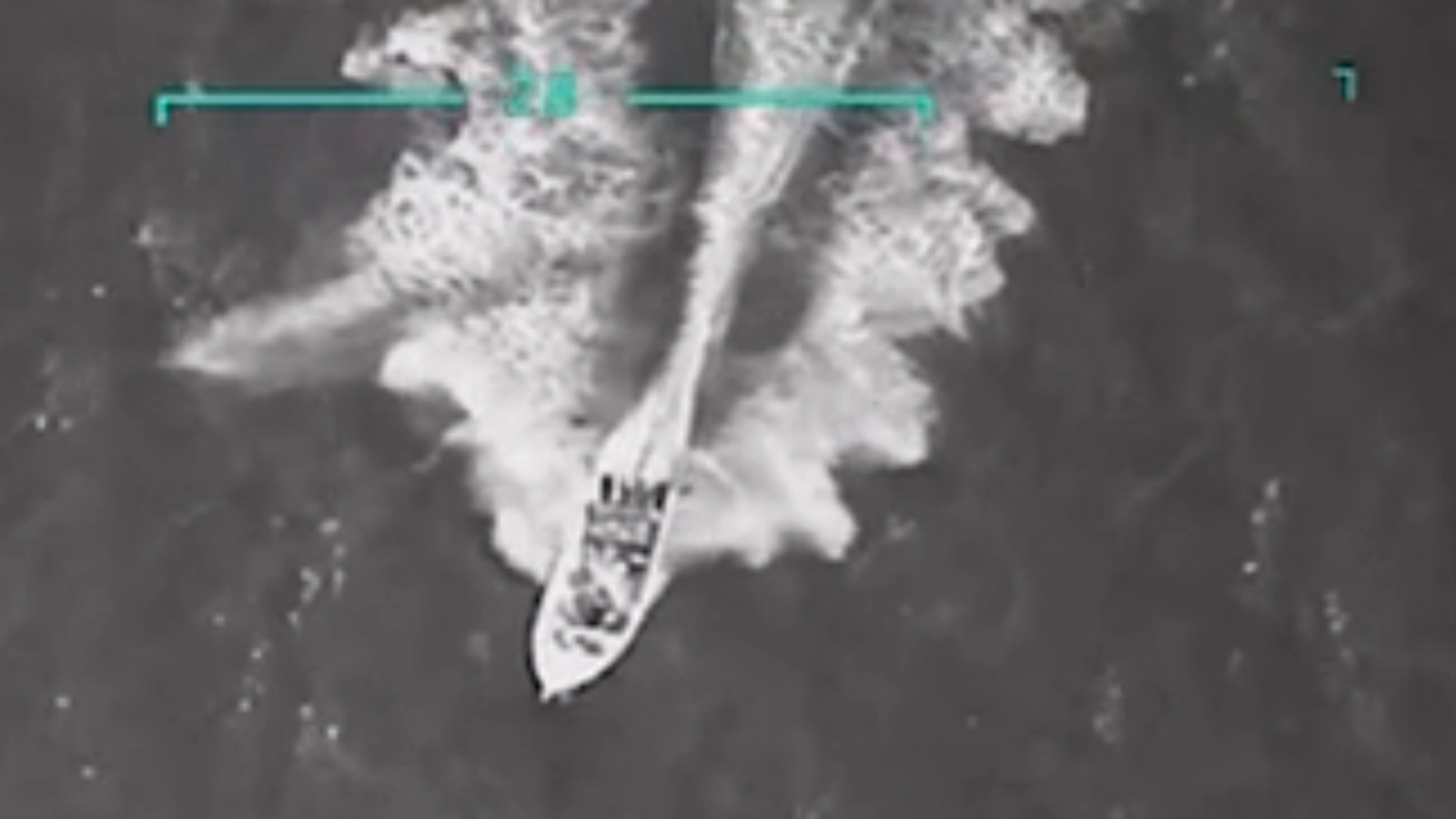
In recent months, the US military has conducted a series of airstrikes—totaling at least 21—targeting vessels allegedly transporting narcotics towards US shores. The Pentagon has branded these operations as part of an effort against foreign terrorist organisations, specifically accusing Venezuelan President Nicolas Maduro of complicity in drug trafficking, a claim Maduro has vehemently denied.
Venezuelan Response
The government of Venezuela has condemned the US strikes, which have reportedly resulted in over 80 fatalities, labelling them as murders. Maduro, frequently characterised as a dictator by Western nations, claimed that Venezuelans are prepared to “defend [the country] and lead it to the path of peace.” He further described the last 22 weeks of US military actions as “psychological terrorism.”
As tensions escalate, the legality of the US strikes has been questioned. Critics are raising concerns about the justification used by the Pentagon to view the drug gangs as terrorist entities, which has been pivotal in framing the narrative for military action.
Background
On September 2, a US airstrike resulted in the deaths of 11 individuals, raising further ethical and legal questions as a follow-up strike reportedly targeted the survivors in the water. Reports have surfaced suggesting that Defence Secretary Pete Hegseth may have authorised lethal actions against those on board, an assertion he has labelled as “fake news.” Furthermore, he maintains that US actions adhere to both national and international laws.
Wider Implications
This military engagement reflects ongoing geopolitical tensions and brings into focus America’s extensive deployment in the Caribbean and eastern Pacific, which includes significant naval resources. While the US has released footage of these strikes, it has yet to substantiate its claims of drug smuggling with physical evidence, such as images of drugs discovered from these vessels.
With President Trump indicating that he has had dialogue with Maduro, asserting that their conversation did not go particularly well or badly, this situation remains fluid. Further complicating matters, Trump has closed Venezuelan airspace to US operations, a move that the Maduro government has condemned as unlawful aggression.
As the US deliberates its next moves, the ramifications of increased military involvement are likely to reverberate beyond South America, influencing international relations and security considerations in the region.
Source: Original Article