US Seizure of Venezuelan Oil Tanker Triggers Export Decline
Recent actions by the United States, including the seizure of a Venezuelan oil tanker, have led to a sharp decline in the country’s oil exports. This intervention is part of Washington’s ongoing strategy to curb the sale of sanctioned oil from Venezuela and Iran, further straining the already beleaguered Venezuelan economy.
Tanker Seizure Details
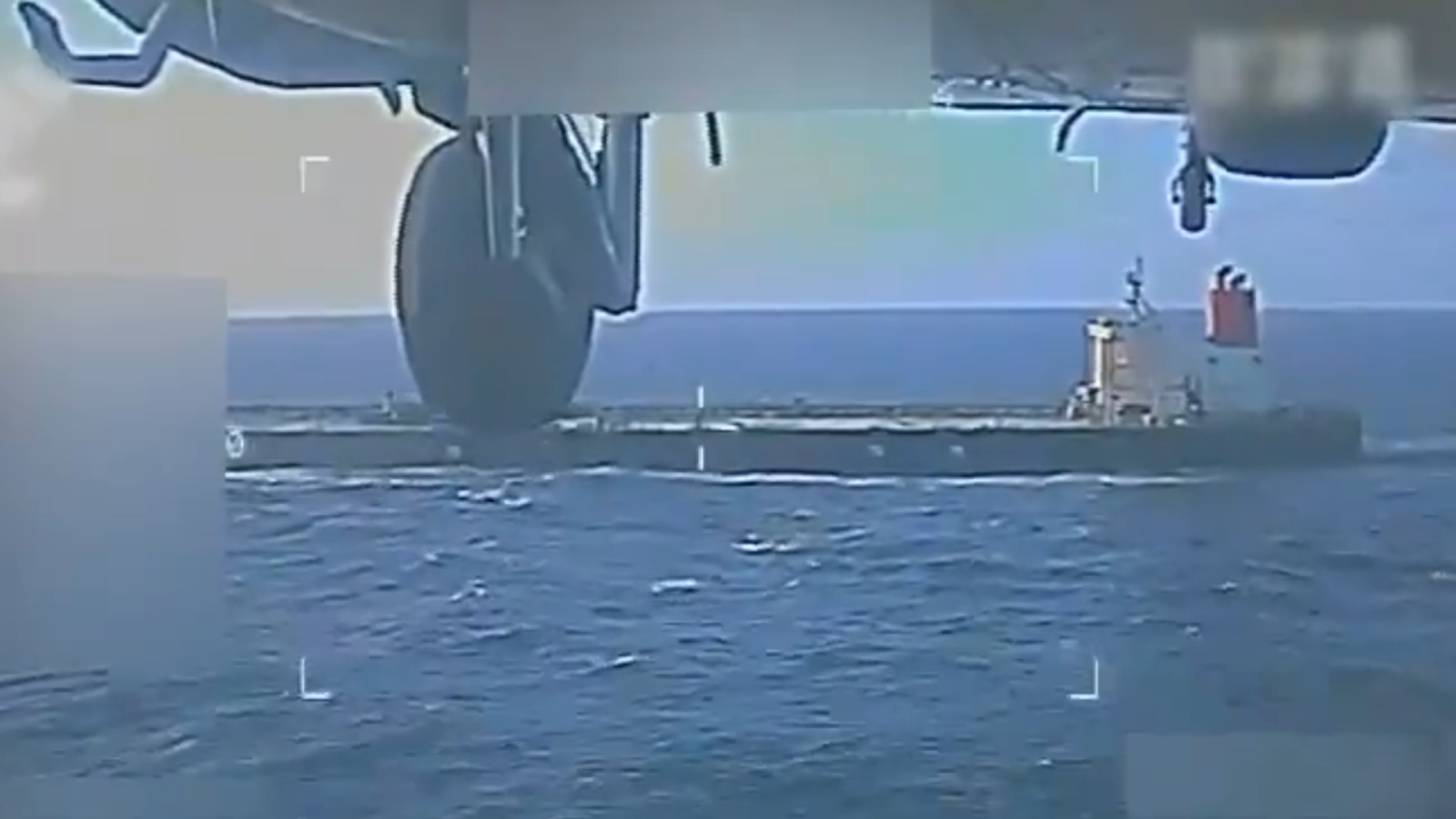
This week, US forces conducted a raid on a tanker approximately 70 miles off Venezuela’s coast, claiming it was involved in transporting oil subject to sanctions. Loaded with around 1.8 million barrels of Merey heavy crude oil, the vessel’s capture has raised tensions, with Venezuelan President Nicolas Maduro denouncing the incident as an act of “piracy.” Maduro’s administration alleges that underlying US motives involve regime change.
Impact on Oil Exports
Following the seizure, it is reported that Venezuelan oil exports have come to a near halt as shipping companies fear further confiscations. Current estimates indicate that around 11 million barrels of oil and associated fuel are now stranded in Venezuelan waters, which significantly hampers the nation’s oil production capabilities.
Prior to the US intervention, Venezuela had been exporting approximately 952,000 barrels of oil daily in November, primarily to China, with revenues from these sales essential to sustaining Maduro’s government. However, shipping activities have ground to a standstill in light of the recent developments.
Continued US Pressure
In addition to the ship seizure, the United States has intensified its pressure on Venezuela through newly imposed sanctions affecting six supertankers and several shipping firms that engage with the Venezuelan oil industry. This includes sanctions on three of Maduro’s nephews.
The US government’s actions form part of a broader strategy aimed at destabilising the Venezuelan regime, which Western governments have largely accused of authoritarian practices, including electoral fraud and the imprisonment of political opponents.
Background
The Skipper tanker raid was notably timed on the expiry date of a warrant that had been issued for the vessel. This strategic timing raises questions about the level of US military engagement in the region, especially given a recent build-up of naval forces aimed at curbing maritime drug smuggling.
While there are claims linking the Venezuelan government to narcotics trafficking, President Maduro has consistently refuted these allegations. The seized tanker reportedly attempted to use a technique known as “spoofing” to disguise its actual location to avoid detection.
Future Implications
The ramifications of this raid and subsequent sanctions could have significant implications for the Venezuelan economy as well as international oil markets, making it crucial for observers to monitor developments closely. The next steps from both the US and Venezuelan authorities could further shape the geopolitical landscape in the region.
Source: Original Article