






















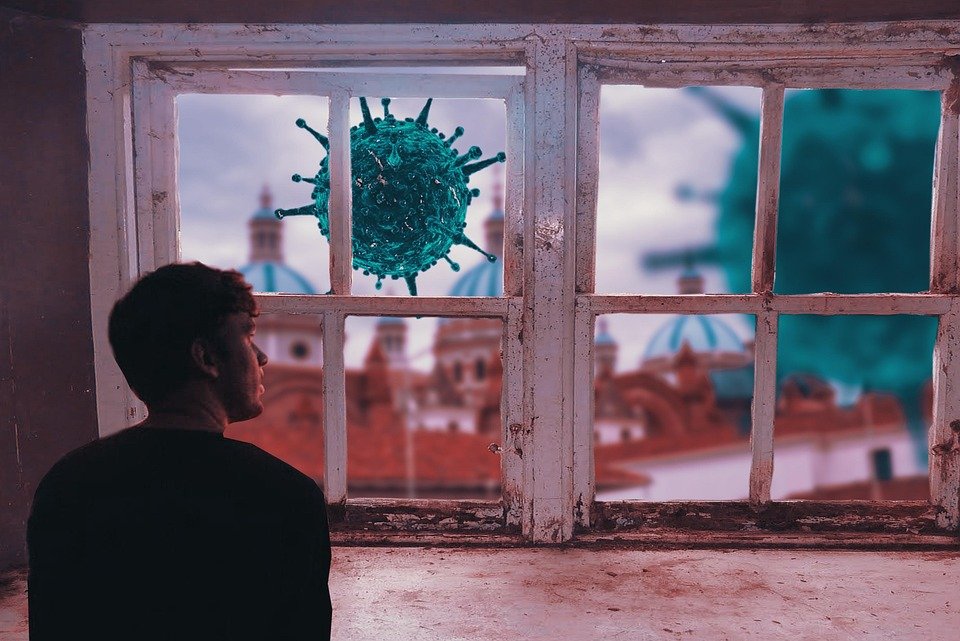
Understanding the differences and similarities between viruses and bacteria is essential for grasping how they interact with living organisms and the environment. While both are microscopic entities that can cause diseases, their structure, life cycles, and impacts on health are markedly different.
Basic Definitions
Bacteria are single-celled organisms that can survive in various environments, including soil, water, and the human body. They have a complex structure, including a cell wall, cell membrane, and genetic material.
Viruses are much smaller than bacteria and are not considered living organisms outside of a host. They consist of genetic material encased in a protein coat and require a host cell to replicate.
Life Cycles
The life cycles of bacteria and viruses illustrate their differences in reproduction and survival.
Bacterial Life Cycle
- Reproduction: Bacteria primarily reproduce through a process called binary fission. One bacterium splits into two identical daughter cells.
- Growth: Bacteria thrive in various environments, multiplying rapidly under favorable conditions, such as warmth and moisture.
- Metabolism: Bacteria can metabolize nutrients from their environment for energy and growth.
Viral Life Cycle
- Infection: Viruses attach to specific host cells using proteins that bind to the cell’s surface.
- Replication: Once inside the host cell, a virus hijacks the cell’s machinery to produce copies of itself. This process often destroys the host cell.
- Release: New virus particles are released from the host cell, either by bursting the cell or through budding, allowing them to infect new cells.
Similarities and Differences
Both viruses and bacteria can lead to infections, but they differ fundamentally in their biology and methods of replicating.
Similarities
- Both can cause diseases in humans, animals, and plants.
- Both can be transmitted through various means, such as air, water, or direct contact.
- Both can evolve over time, which may lead to resistance against treatments.
Differences
- Living Status: Bacteria are considered living organisms; viruses are not classified as living because they cannot reproduce independently.
- Structure: Bacteria have a complex cellular structure; viruses have a simpler structure with no cellular components.
- Reproduction: Bacteria reproduce on their own; viruses must infect a host cell to replicate.
- Treatment: Bacterial infections can be treated with antibiotics, while viral infections often require antiviral medications or vaccines.
Conclusion
Viruses and bacteria, despite some similarities in the diseases they cause, are fundamentally different in their structure and life cycles. Understanding these differences is crucial for effective prevention and treatment of infections.






