






















Wales on the Brink of Political Change as Elections Approaching
As Wales prepares for upcoming elections, the political landscape is shifting dramatically, with recent polling suggesting a surge in support for the Reform UK party. Historically dominated by Labour, the potential for a pivotal change in governance has sparked discussions about identity, immigration, and the economy across the nation.
The Heart of Multiculturalism: Tiger Bay
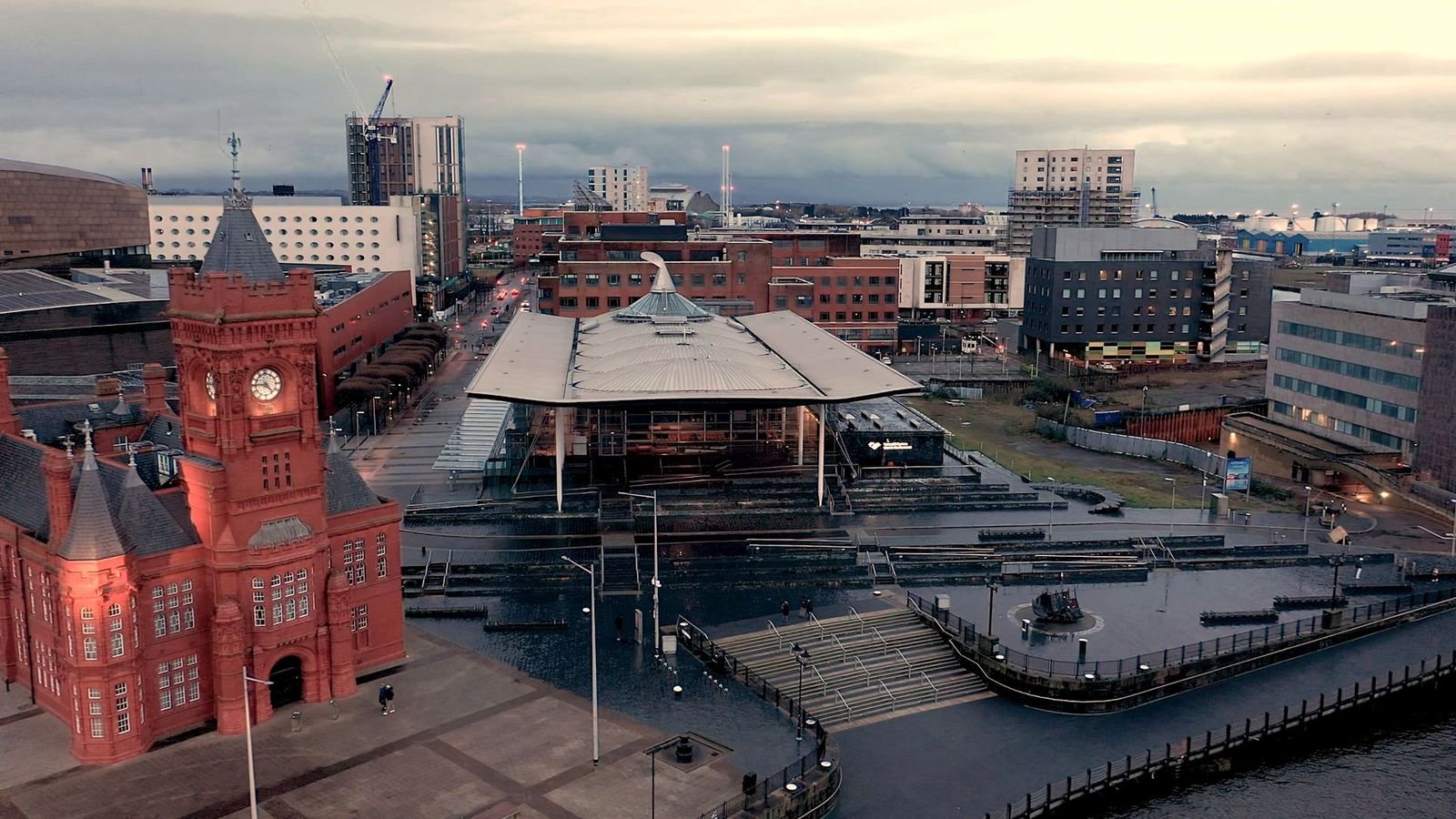
The Welsh Parliament is located in Tiger Bay, a historically diverse area that housed around 50 nationalities during the 18th and 19th centuries. Somali immigrants Omar Mohammad and Abdiqadir Mohamoud, who settled in Cardiff in the 1990s, express concerns over how immigration is portrayed in political discourse, particularly amid the rising popularity of Reform UK.
Voices Against Misrepresentation
Omar criticises narratives suggesting that immigrants are detrimental to society. He asserts that most are seeking a better life for their families. “We’re immigrants, we’re working, we pay our taxes,” he states, reinforcing his commitment to vote Labour out of fear that supporting Reform may jeopardise his status in the UK.
In contrast, Abdiqadir argues that discussions around immigration have been exaggerated, citing an atmosphere that fuels discrimination against newcomers.
Discontent in Deprived Areas
Traveling north to Merthyr Tydfil, one of Wales’s most impoverished regions, the sentiments shift as locals like John Hobby and Peter James express frustration with long-standing Labour governance. They advocate for change, feeling that their needs have been neglected.
A Call for New Representation
Peters’ comment, “It can’t get any worse. It’s got to get better,” encapsulates the desire for improvement. John reveals his intention to vote for Plaid Cymru, citing a loss of faith in Labour’s approach to governance, further exacerbated by ongoing issues around immigration policy and economic mismanagement.
Disillusionment with Party Promises
This disillusionment extends beyond regional parties. Voter Kevin Williams criticises Labour leadership under Keir Starmer, stating that “Labour promised so much” but has failed in delivering on key issues.
As aspirations for change grow, Ceri Thompson, a former miner and current museum curator, suggests a need for a renewed identity, reinforced by increasing pride in Welsh culture and heritage.
The Challenge of Maintaining Welsh Identity
The topic of Welsh identity is echoed by teachers like Helen Holland, who support Plaid Cymru. She emphasises the importance of the Welsh language in preserving local heritage, even acknowledging concerns about its decline among younger generations.
Economic Struggles and Youth Migration
Statistics reveal a troubling trend where more young people in Wales are leaving their home regions for better opportunities, as Adam Hughes articulates the frustrations of job scarcity in North Wales. He embodies a sense of hopelessness about the political process, expressing doubts about whether his vote will effect any real change.
Emerging Voices of Hope
Not all is bleak; entrepreneurs like Scott James are rising to the challenge. He operates Coaltown Coffee in Ammanford, demonstrating the potential for revitalisation in post-industrial areas. His aim is to showcase the possibilities in neglected towns, insisting that local talent should be retained.
Conclusion: A Defining Moment for Wales
With upcoming elections set against a backdrop of significant political changes—such as a revised voting system and an expanded parliament—the stakes are high. Concerns about health services and economic recovery are paramount, and while many citizens express skepticism about any substantive change, there remains a collective yearning for representation that truly reflects their interests.
Background
Since the inception of devolution in the late 1990s, Labour has been the predominant force in Welsh politics. However, recent polling trends indicate an opportunity for other parties to make significant gains, raising questions about the future political direction of Wales.
Source: Original Article






