






















Avian Flu Outbreak Poses Resounding Threat to Poultry Farmers in Wales
The ongoing avian flu crisis in Wales has intensified, compelling poultry farmers to adopt stringent biosecurity measures to protect their flocks from the highly pathogenic H5N1 strain. With tens of thousands of birds culled in recent weeks, local farmers express grave concerns over the viability of their businesses should their poultry become infected.
Immediate Measures and Concerns
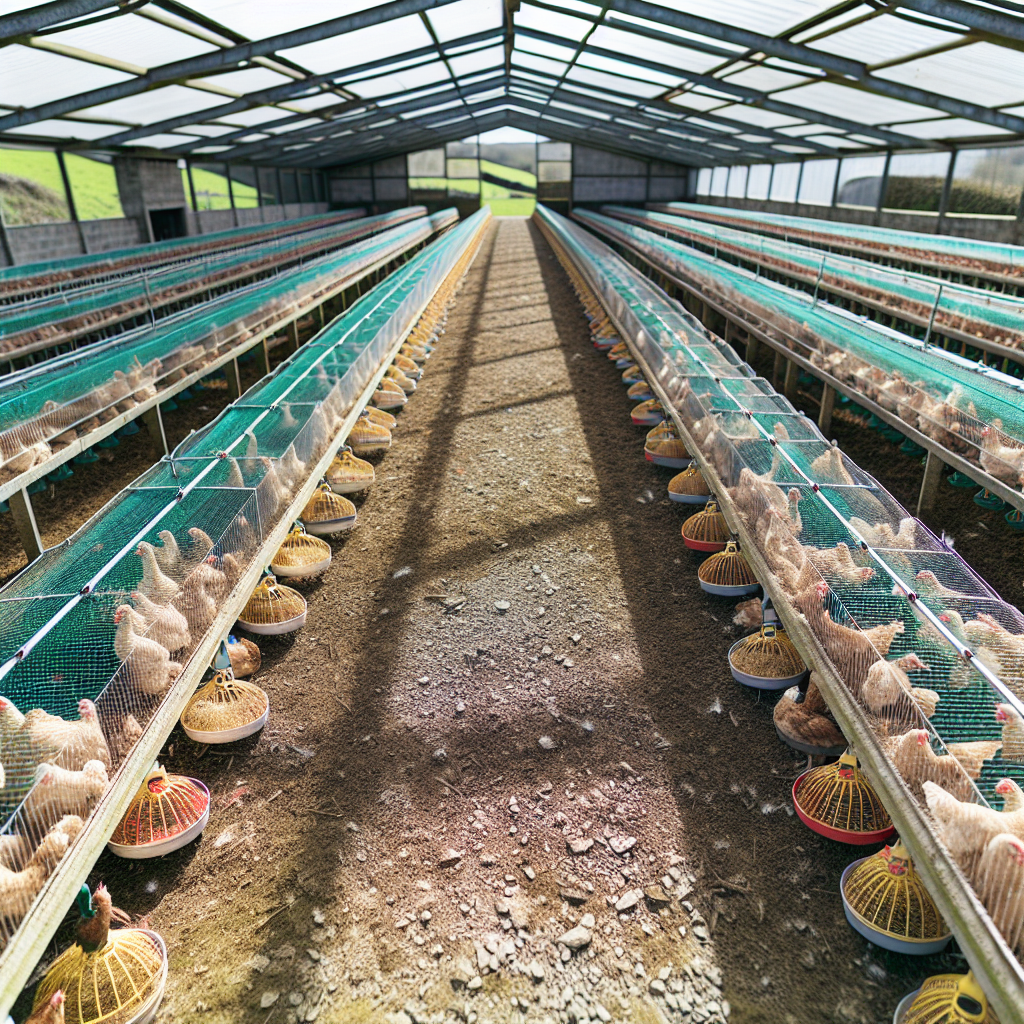
In response to the rising number of avian flu cases, a mandatory housing order for poultry was enforced in Wales on 13 November. This regulation demands that all owners with flocks exceeding 50 birds keep them indoors to mitigate the disease’s spread. Smaller operations must also follow suit if they sell or distribute eggs and meat.
Kate Postance, who manages Postance Poultry in Ceredigion, has placed her flock—including 500 free-range turkeys and 3,000 chickens—under “flockdown” as a precaution. Expressing her worries, she stated, “If any of our birds contracted it, I don’t see a way back for us.” Her sentiments are echoed by other farmers who are equally anxious about the future of their businesses and the potential loss of their livelihoods.
Wider Impact on Poultry Farming
Alison Kennedy from Ffos Farm explained the distress of keeping her chickens confined after they are typically free to roam. “To safeguard the birds and our income, it’s essential,” she remarked, highlighting the delicate balance between animal welfare and economic stability. The farm, known for its rare, native livestock breeds, is maintaining strict hygiene protocols to avoid any exposure to the virus.
Chris Thomas of Pencwarre Poultry noted that this could be one of the worst years for avian flu. His operation, situated near two counties with confirmed outbreaks, is employing protective gear to secure their birds but has faced challenges in moving stock due to heightened surveillance and restrictions. “It’s definitely coming closer to home for us this year,” he remarked.
Expert Commentary and Recommendations
Dr Richard Irvine, Wales’ chief veterinary officer, has described the current outbreak as severe, stating that the government is collaborating with industry partners to address the crisis. He emphasized the importance of rigorous hygiene and biosecurity measures to safeguard the health of livestock, noting that even a minute amount of faeces from an infected bird could lead to devastating losses in a flock.
Dafydd Jarrett from NFU Cymru stressed the potential devastation avian flu could inflict on farmers, as entire flocks may need to be culled, followed by extensive disinfection that could take a year. He urged the Welsh government to rapidly publish the findings of current investigations into confirmed cases to support farmers in taking proactive measures.
Background
The resurgence of avian flu cases in the UK comes amid agricultural concerns regarding animal health and food production. This current outbreak follows a previous peak in infections that saw 207 confirmed cases over a year-long period, raising alarms regarding biosecurity across farms in Wales, England, and Northern Ireland. Public health officials have reassured that the risk to humans remains low; however, the economic implications for the poultry industry could be profound.
As farmers in Wales navigate these challenges, their dependencies on biosecurity measures are more critical than ever to ensure the longevity of their businesses amidst an evolving agricultural landscape.






