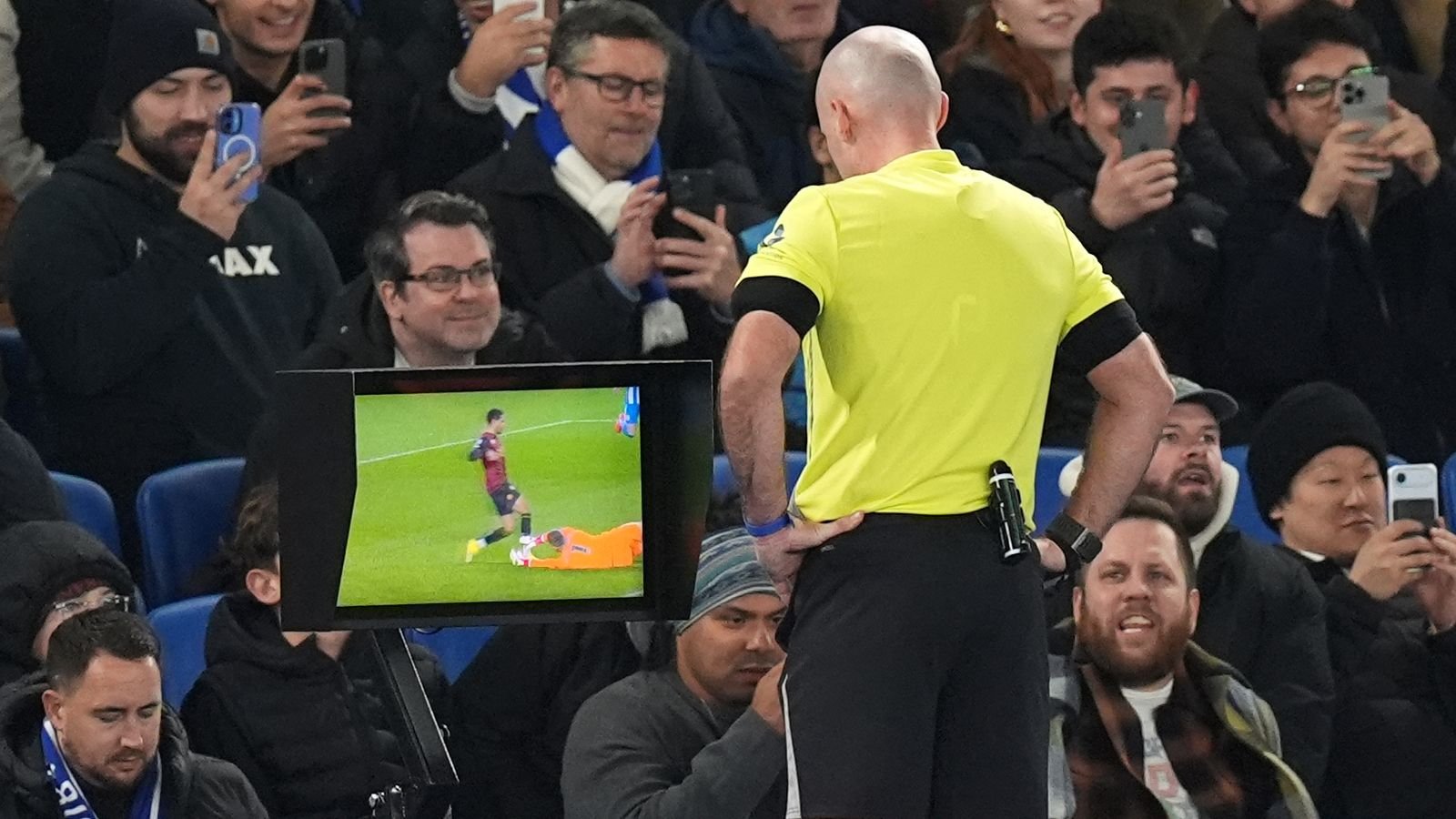
VAR Expansions Aim to Reduce Game Delays
This summer’s World Cup is expected to see an increase in instances where decisions are reviewed through the Video Assistant Referee (VAR) system. However, referees have been urged to expedite these processes to prevent frustrating fans with extensive interruptions during matches.
New VAR Guidelines for Match Officials
The International Football Association Board (IFAB), which oversees the laws of football globally, is set to approve significant changes to the VAR system next month. For the first time since its implementation a decade ago, officials will be able to consult VAR on a broader range of issues.
Currently, VAR can only intervene for goals, penalties, direct red cards, and mistaken player bookings. Under the new guidelines, referees will also be able to seek assistance from VAR when:
- A player receives an incorrect second yellow card leading to dismissal.
- The wrong team receives a card.
- A corner kick is awarded incorrectly.
Referees are now encouraged to make these determinations quickly, without delaying the game’s restart. Noel Mooney, CEO of the Football Association of Wales, emphasized to Sky News that while accuracy in officiating is vital, prolonged delays for fans are unacceptable.
Addressing Time-Wasting Concerns
As the average match duration extends beyond 100 minutes due to lengthy deliberations over decisions, concerns about player welfare have arisen. Mooney, who chaired a recent IFAB meeting, noted the board’s focus this year would be on reducing time-wasting and distractions that detract from the enjoyment of football. There is no intention for VAR to disrupt the game further.
Changes for Goalkeepers and Time Management
IFAB is also proposing new regulations aimed at increasing the pace of play, including an eight-second limit on how long goalkeepers can hold onto the ball. Furthermore, these new rules will also target the timely execution of throw-ins and goal kicks to curb teams from deliberately slowing down the game.
Mooney articulated a vision of a more dynamic and entertaining game, aiming for matches to feature considerably more action within the standard 90 minutes. He stated, “When you go to a match of 90 minutes, you’re seeing a lot more time of the ball moving and exciting moments.”
Background
Since its introduction in 2016, VAR has been met with mixed reactions, often scrutinized for altering the flow of matches. The forthcoming adjustments seek to address criticisms by implementing more immediate decision-making mechanisms, creating a more enjoyable atmosphere for players and fans alike. With FIFA holding a significant stake in the IFAB voting process, further developments in football officiating practices are anticipated.
Source: Original Article