






















Zack Polanski Targets Reform Voters Amidst Migration Controversy
Zack Polanski, the leader of the Green Party, is making a bid to connect with voters from the Reform Party, despite significant ideological differences on migration strategies. While Reform’s Nigel Farage champions stringent deportation measures and critiques the impact of migration on Britain, Polanski presents a more optimistic view, arguing that migration enriches the nation. He aims to reframe the public’s concerns about migration by addressing broader social issues such as the cost of living crisis, wage stagnation, and the housing shortage.
Polanski’s Outreach Strategy
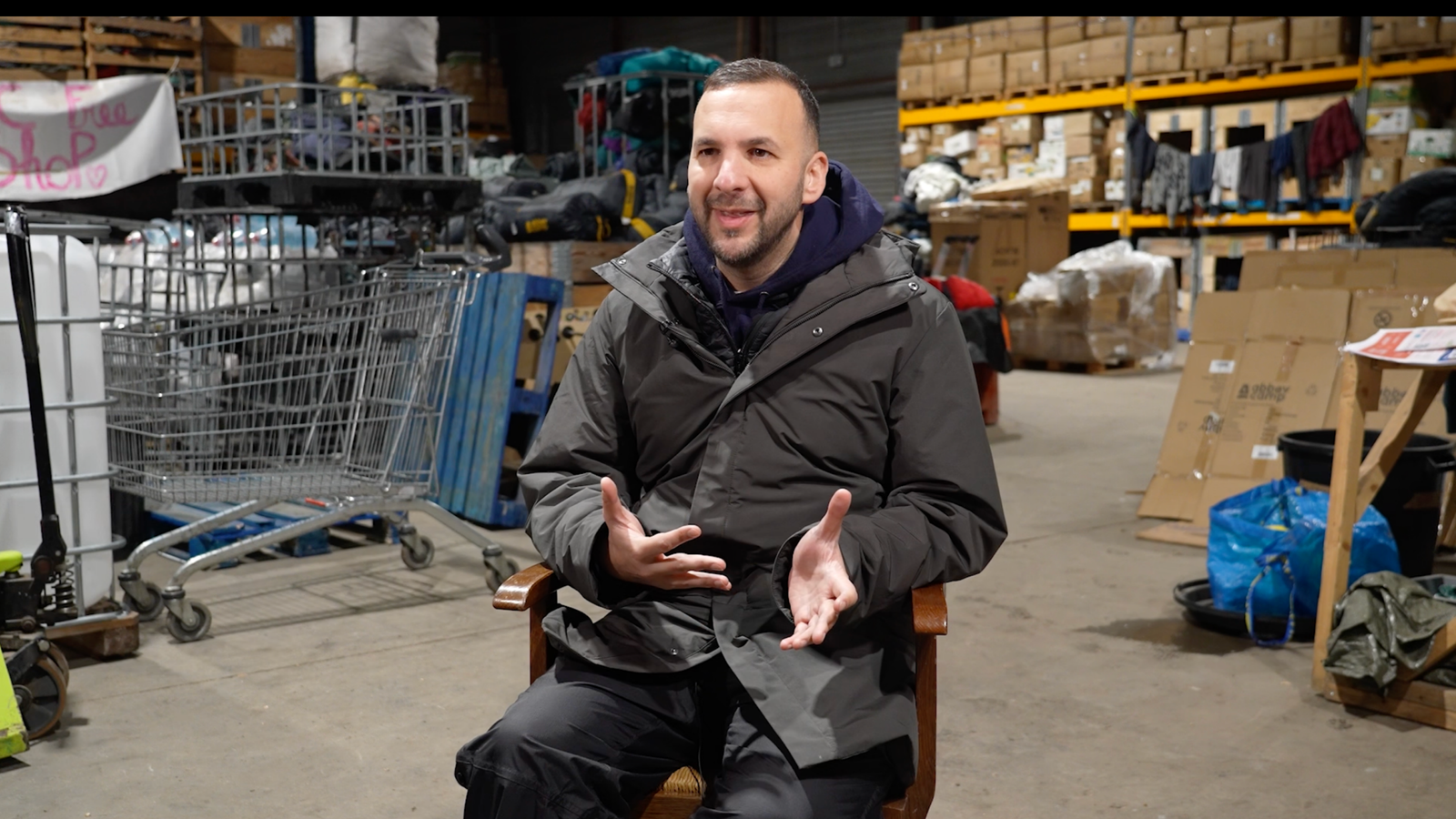
Believing it is possible to sway Reform supporters, Polanski is focusing on common grievances that transcend party lines. He contends that many people are channeling their frustrations at the wrong targets, suggesting that anger should instead be directed at wealth inequality and corporate power. His recent visit to Calais was intended to address what he describes as misunderstandings about migrants and the small boats crisis. He remarked, “I think when people have a reality of it, I think the majority of people are actually compassionate,” emphasizing the need for a fair and transparent asylum process.
Shifting Green Party Dynamics
Since assuming the leadership in September, Polanski has reoriented the Green Party’s focus beyond its traditional environmental agenda. The party is now addressing contentious social and cultural matters, including migration and transgender rights. Polling data indicates that support for the Greens has grown, positioning them nearly on par with Labour, which highlights a significant shift in the UK’s political landscape.
Understanding Public Sentiment
At the heart of the migration debate lies Britain’s evolving sense of fairness. Reform Party leaders argue that taxpayer money should not subsidize housing for asylum seekers, framing the narrative as one where British citizens are the true victims. Polanski counters this by asserting that funds are being wasted on efforts to deter vulnerable individuals fleeing perilous situations. He advocates for reallocating resources to address the UK’s housing crisis more effectively.
When confronted with potential criticisms regarding public empathy towards migrants, Polanski stated, “I think we need to make racism unacceptable again,” suggesting that societal attitudes must evolve to show compassion to all refugees, regardless of their origin.
Challenges in Changing Minds
Experts express skepticism about Polanski’s ability to convert die-hard Reform voters, particularly in light of overall public sentiment favouring stricter immigration controls. Joe Twyman, co-founder of Deltapoll, noted that while some Reform supporters may be disillusioned with mainstream options, the deep-rooted beliefs about migration present a formidable barrier to persuasion.
As the UK grapples with a cost of living crisis and increasingly firm attitudes toward immigration, Polanski’s challenge becomes clearer. Critics may view his efforts as optimistic but in an era characterized by rapid change and shifting political alliances, the narrative may prove as crucial as the policies themselves.
Background
The UK’s migration debate has intensified in recent years, with dramatic shifts in public opinion following events like Brexit and major refugee crises. As policymakers grapple with these issues, figures like Polanski look to redefine conversations around migration and economic hardship to unite disparate voter bases.
Source: Original Article






