Introduction
Plastic debris has become a pervasive environmental concern, particularly in marine ecosystems. Every year, millions of tons of plastics enter the oceans through various pathways, including rivers, coastal activities, and littering. This article explores the effects of plastic debris on marine wildlife and biodiversity, drawing on well-established scientific principles and verified observations.
Types of Plastic Debris
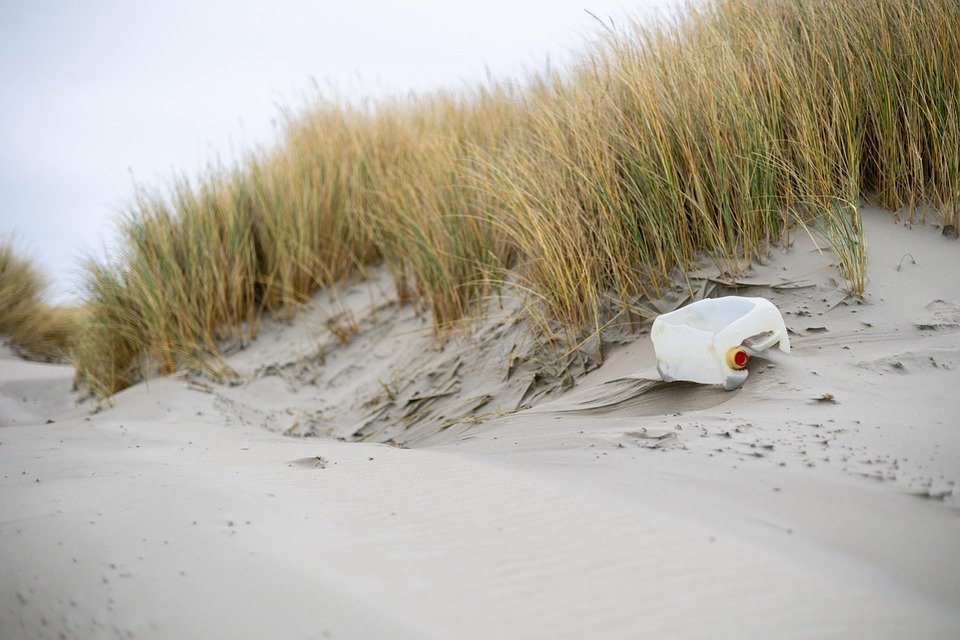
Plastic debris in marine environments can be categorized into several types, primarily based on size:
- Macroplastics: Large pieces of plastic, such as plastic bags, bottles, and fishing gear. Typically, these are greater than 5 mm in size.
- Microplastics: Smaller plastic particles, often less than 5 mm, which can originate from the breakdown of larger plastic items or be manufactured in this size.
- Nanoplastics: Extremely fine particles (less than 1 µm), still under research for their environmental impact and toxicity.
Impact on Marine Wildlife
The effects of plastic debris on marine wildlife are multifaceted and significant:
- Ingestion: Many marine species, including fish, seabirds, and marine mammals, often mistake plastic debris for food. Ingestion can lead to physical blockages, malnutrition, and even death in severe cases.
- Entanglement: Larger pieces of debris, such as fishing nets and six-pack rings, pose risks of entanglement for marine animals, leading to injury or drowning.
- Toxicity: Plastics can leach harmful chemicals and absorb pollutants from seawater. When ingested, these can enter the food chain, affecting a range of organisms and potentially impacting human health.
Effects on Biodiversity
The proliferation of plastic debris also impacts marine biodiversity:
- Habitat Alteration: Plastic debris can alter natural habitats, such as coral reefs, by smothering organisms and affecting their growth. This changes the structural complexity of habitats that many species rely on.
- Species Interactions: The presence of plastics can influence predator-prey relationships and competition among species, potentially endangering vulnerable species and altering community dynamics.
- Invasive Species: Plastics can serve as rafts for invasive species, allowing them to travel to new areas, which may threaten local organisms and ecosystems.
Long-term Ecological Consequences
The long-term ecological consequences of plastic pollution are complex and potentially severe. Disruptions in food webs, decreased species diversity, and habitat destruction can lead to diminished ecosystem resilience and reduced ability to recover from environmental stresses.
Conclusion
The effects of plastic debris on marine wildlife and biodiversity illustrate the urgent need for mitigation measures to address plastic pollution. Efforts such as reducing plastic use, improving waste management systems, and promoting public awareness are essential for preserving marine ecosystems.