Devastating Bushfires Threaten Communities in Victoria, Australia
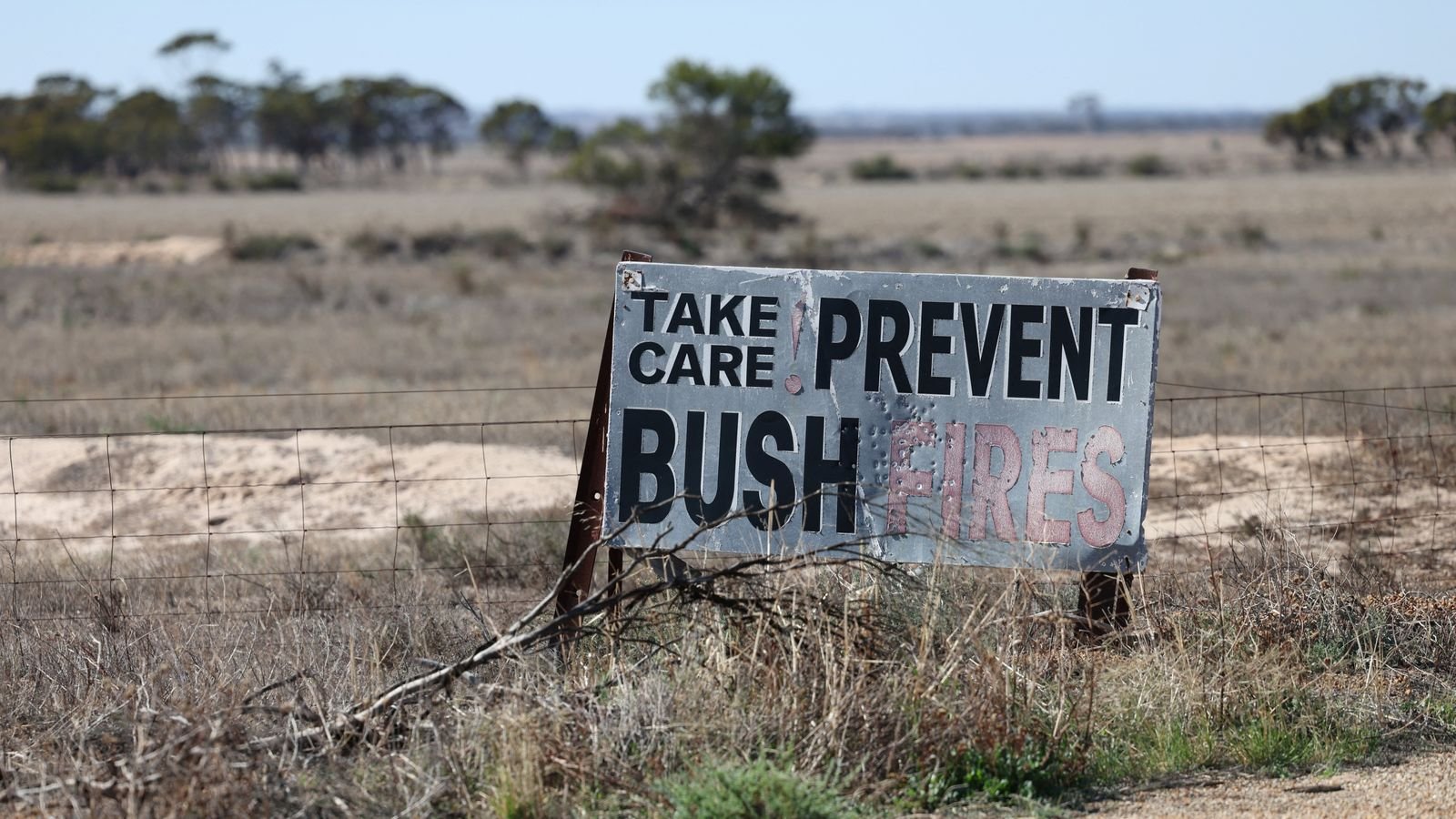
Unabated bushfires have engulfed parts of Victoria, Australia, prompting the evacuation of local communities and the closure of hundreds of schools. With temperatures soaring beyond 40°C (104°F), authorities have issued a catastrophic fire danger rating, signalling an imminent threat to life and property.
Emergency Measures in Response to Catastrophic Conditions
The fires are currently blazing close to the towns of Longwood and Walwa, which have been particularly affected by the extreme heatwave sweeping through southern Australia this summer. As a result, around 450 schools in Victoria are set to remain closed on Friday, along with numerous regional train services, compounding the distress for local residents.
According to meteorologists, the severity of the current situation is reminiscent of the devastating bushfire season of 2019, widely referred to as the “Black Summer,” during which fierce flames claimed the lives of 33 individuals and devastated vast areas of southeastern Australia.
Scale and Impact of the Fires
The Longwood fire has already consumed over 25,000 hectares (approximately 61,776 acres), while the Walwa blaze spans around 10,000 hectares (24,710 acres) and has created a unique weather phenomenon in the form of a pyrocumulonimbus cloud, resulting in lightning strikes and thunder. Local authorities have advised residents in multiple surrounding towns to prepare for evacuation as the fires show no signs of abating.
According to Jason Heffernan, Chief Officer of the Country Fire Authority, Friday is anticipated to be a particularly dangerous day concerning bushfire risks in Victoria. The ongoing blazes have already led to the destruction of at least two structures, and further spread is expected as winds and heat intensify.
Total Fire Bans and Broader Weather Alerts
On Thursday, a total fire ban was implemented across several regions, with an all-encompassing ban expected statewide on Friday. The situation is further compounded by notifications from New Zealand’s meteorological service, which has issued warnings of exceptionally high temperatures affecting parts of its eastern coastline and northern regions of the South Island as the heatwave extends across the Tasman Sea.
Background
The recent bushfires starkly illustrate the increasing frequency and severity of climate-related disasters, which have significant implications not only for Australia but also for global environmental policies. The ongoing crisis highlights the need for enhanced preparedness and response strategies as weather patterns become more unpredictable and extreme.
Source: Original Article