






















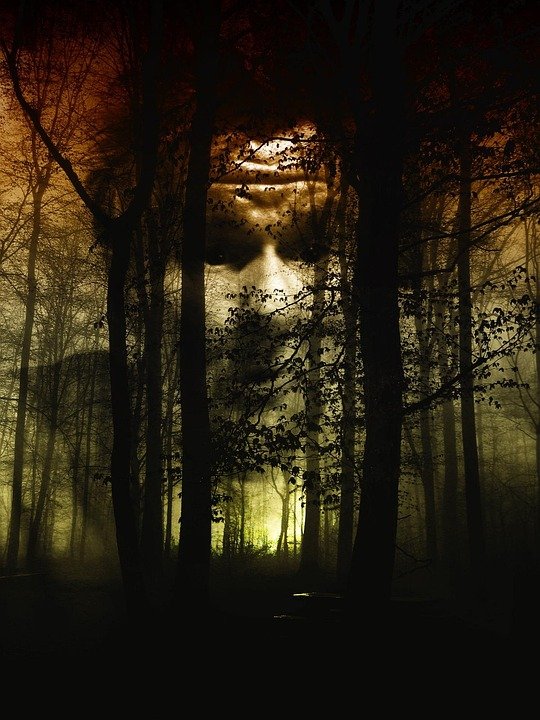
The Birth of Television Horror
The influence of horror on television began in the early days of broadcasting. As the medium evolved, shows like “Thriller” (1960-1962) created by Rod Serling introduced audiences to horror narratives woven into episodic formats. These pioneering series set the stage for a genre that would captivate viewers across generations.
Key Movements in Television Horror
Throughout the decades, several movements have shaped the landscape of horror television:
- The Anthology Format: Series like “The Twilight Zone” and later, “The X-Files,” utilized the anthology format to explore various horror themes, often leaving audiences with more questions than answers.
- Slasher Television: With the dawn of the 1990s, shows such as “Twin Peaks” introduced elements of horror alongside mystery, showcasing a more psychological approach to storytelling.
- Documentary Style: Programs like “Ghost Hunters” brought a fresh perspective, blending reality television with haunting experiences, significantly expanding horror’s reach.
Influential Directors and Creators
Certain directors and creators have played essential roles in defining the horror television genre:
- Rod Serling: A master storyteller, Serling’s “The Twilight Zone” remains a hallmark of horror television, known for its moral and philosophical undertones.
- David Lynch: Known for his surreal style, Lynch’s “Twin Peaks” combined horror, mystery, and soap opera elements, drawing in a cult following and influencing many future shows.
- Ryan Murphy: As the creator of “American Horror Story,” Murphy has demonstrated a unique ability to reinvent horror motifs, engaging audiences with new narratives each season.
Impact on Popular Culture
The impact of horror television on popular culture is undeniable. Shows have inspired a multitude of subcultures, merchandise, and fan conventions, fostering a dedicated community of enthusiasts. The genre’s blend of suspense and psychological depth allows viewers to explore fears in a controlled environment, often reflecting societal anxieties.
Modern Representations
In recent years, horror television has gained renewed popularity, with series like “Stranger Things” and “American Horror Story” pushing the envelope in terms of narrative complexity and production values. These shows not only draw upon classic horror traditions but also appeal to contemporary sensibilities, combining nostalgia with innovative storytelling.
The Future of Horror on Television
As the landscape of media continues to evolve, horror television is likely to remain a significant and influential genre. The rise of streaming platforms has expanded the reach and diversification of content, allowing for greater experimentation and creativity. This trend signals a promising future for horror enthusiasts, further enriching the genre’s legacy.






