






















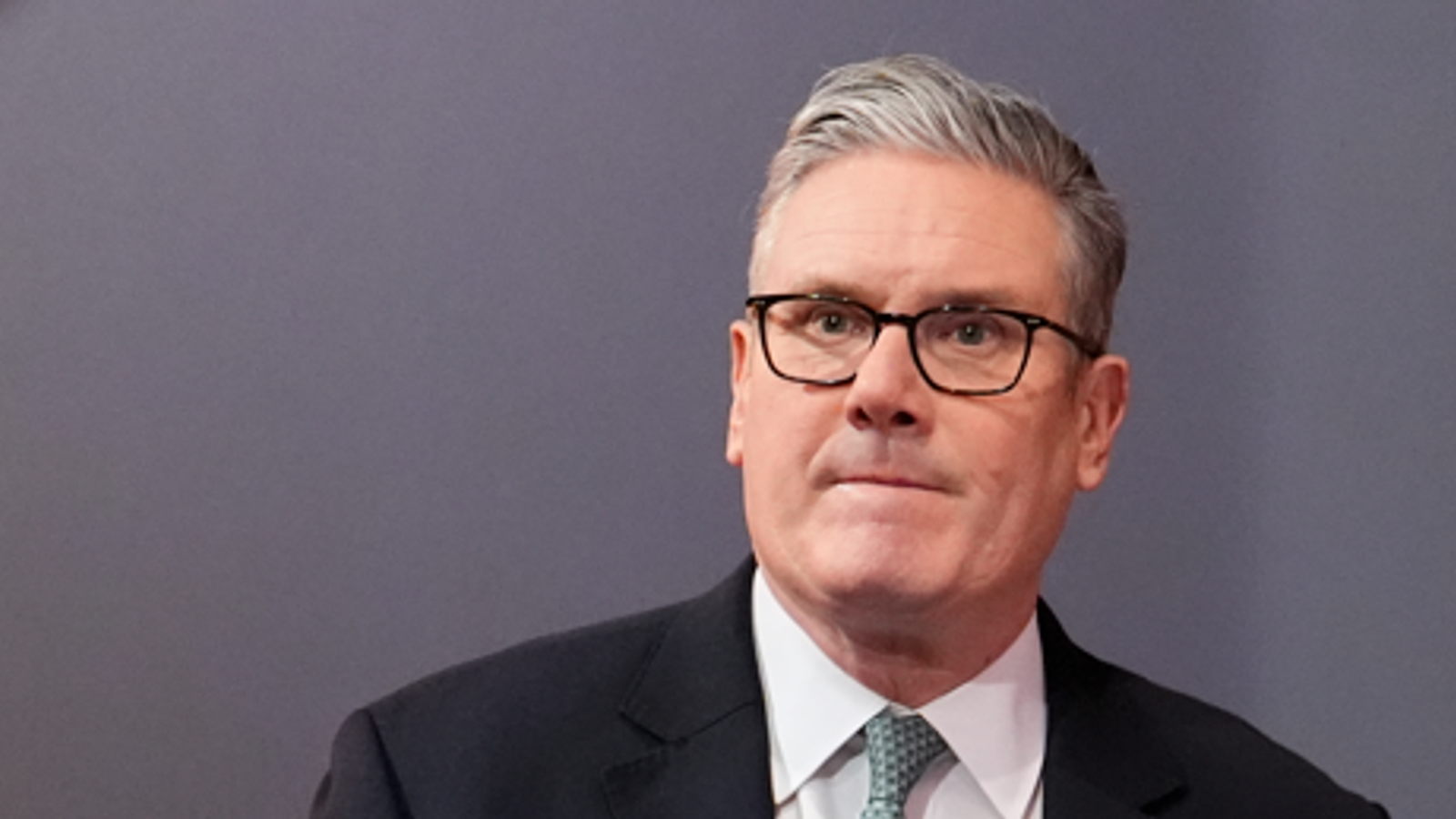
The Challenges Facing Starmer Amid Global Crises
Sir Keir Starmer, leader of the Labour Party, unexpectedly found himself addressing the media regarding the Greenland crisis during an emergency conference at Downing Street. Originally scheduled to speak to a regional audience about pressing domestic issues such as the cost of living, Starmer’s agenda has been significantly disrupted by international developments, notably those linked to Donald Trump.
A Shift in Focus
Starmer aimed to rebuild trust among disenchanted voters and members of parliament in 2026 by concentrating on alleviating the cost of living, tackling issues from public transport fares to childcare costs, and reconsidering welfare policies like the two-child benefit cap. However, the unforeseen geopolitical turmoil has overshadowed his plans.
During the conference, the Prime Minister highlighted the profound impact of global affairs on local economies, noting that rising tariffs and international conflicts can negatively impact jobs and drive up living expenses for families in the UK. He emphasized a need for a robust government response that aligns both national and international efforts to protect the interests of ordinary citizens.
Labour’s Internal Campaigning
As Starmer navigates through these challenges, Deputy Labour Leader Lucy Powell has taken on the crucial role of rallying the party ahead of crucial local elections in May. With over 4,000 council seats up for grabs and a pressing need to address falling poll standings, the Labour Party must present a united front to avoid further erosion of support.
Powell is adamant that the party should remain steadfast in its commitment to the electorate’s pressing concerns. She remarked, “The cost of living crisis is on everyone’s mind, and it is essential for us as politicians to consistently reassure the public that we are actively working on solutions.”
Implications of the Upcoming Elections
As Labour prepares for May’s elections, the stakes are high with potential outcomes that might see them relegated to third place behind reformist parties, especially in Scotland and Wales. The resignation of prominent figures such as Welsh Labour leader Eluned Morgan could follow if the party faces a disappointing turnout in these elections.
Gauging Support and Internal Dynamics
Despite facing criticism and speculation over Starmer’s leadership, Powell advocates unity within the party. She cautioned against internal divisions, insisting that ongoing speculation about leadership changes would only hinder Labour’s progress. The deputy leader emphasized the importance of presenting a cohesive narrative that resonates with voters, especially during challenging times.
Background
Starmer became Labour leader following a significant electoral victory but now finds himself under pressure to show decisive leadership amid rising global tensions. Political analysts suggest that his management of these crises may determine his party’s future and his leadership credibility leading into the next general election.
The shifting political landscape poses severe challenges for Starmer as he seeks to balance immediate domestic priorities with necessary international engagements, all against a backdrop of internal party dynamics.
The Labour Party’s ability to successfully navigate these turbulent waters will be critical not only for the coming elections but also for shaping public confidence in its governance approach in the years ahead.
Source: Original Article






