






















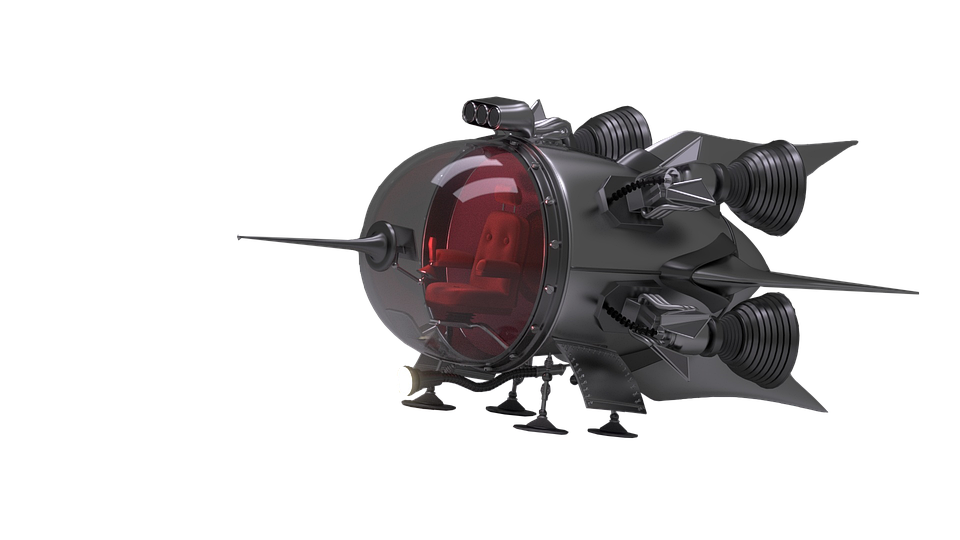
The Intersection of Animation and Science Fiction
Animation has long played a pivotal role in the science fiction film genre, providing filmmakers with a versatile tool to visualize concepts that transcend the limitations of reality. From early hand-drawn works to modern computer-generated imagery (CGI), animation has been instrumental in crafting otherworldly visuals and innovative storytelling techniques that resonate with audiences.
Historical Context
- Early Experiments: The use of animation in science fiction can be traced back to the silent film era, with innovations such as Metropolis (1927) by Fritz Lang, which incorporated significant visual effects that were groundbreaking for its time.
- Traditional Animation: Walt Disney’s Fantasia (1940) combined animation with classical music, setting a precedent for the imaginative representation of ideas, such as space travel and intergalactic potential.
The Rise of Visual Effects
The evolution of visual effects has paralleled advancements in animation technology. The 1970s and 1980s saw a surge in sci-fi films that harnessed these developments.
- Groundbreaking Techniques: In 1977, Star Wars employed models, puppetry, and early computer-generated imagery, leading to a revolution in how animated sequences could enhance storytelling.
- Innovative Hybrid Forms: Movies like The Last Starfighter (1984) showcased a blend of live action and computer animation, setting standards for future films.
Influential Directors and Works
Key directors have used animation to push the boundaries of the genre, creating memorable cinematic experiences.
- Hayao Miyazaki: His films, particularly Spirited Away (2001) and Nausicaä of the Valley of the Wind (1984), blend fantasy with science fiction, using hand-drawn artistry to explore profound themes of nature and technology.
- George Lucas: Beyond Star Wars, Lucas’ Industrial Light & Magic (ILM) has developed many animation and visual effects techniques that have become foundational in the industry.
Modern Advances in Animation
The 21st century has witnessed further advancements in animation technology, allowing filmmakers to create ever more immersive sci-fi experiences.
- CGI and Motion Capture: Films like Avatar (2009) utilized cutting-edge CGI and motion capture technology to replicate vivid alien worlds and complex characters, heralding a new era in animation and realism.
- Animated Features: Works such as Spider-Man: Into the Spider-Verse (2018) demonstrate how animation can redefine the visual language of cinema, particularly within the science fiction genre, by using unique styles and techniques to enhance narrative depth.
The Impact on Storytelling
Animation’s flexibility enables filmmakers to tackle complex sci-fi narratives that may be difficult to portray through live-action alone.
- World-Building: Animated films can construct elaborate worlds, as seen in The Matrix (1999) and its sequels, where animation and live action intersect to create a layered narrative experience.
- Conceptual Visualization: Science fiction frequently explores abstract and philosophical ideas; animation provides a medium to visualize these concepts in a way that is engaging and comprehensible for viewers.
Conclusion
The collaboration between animation and the science fiction genre continues to evolve, influencing both the aesthetics and narrative structures of films. As technology advances and new storytelling techniques emerge, animation remains a vital component in the exploration of humanity’s deepest questions and the infinite possibilities of the universe.






