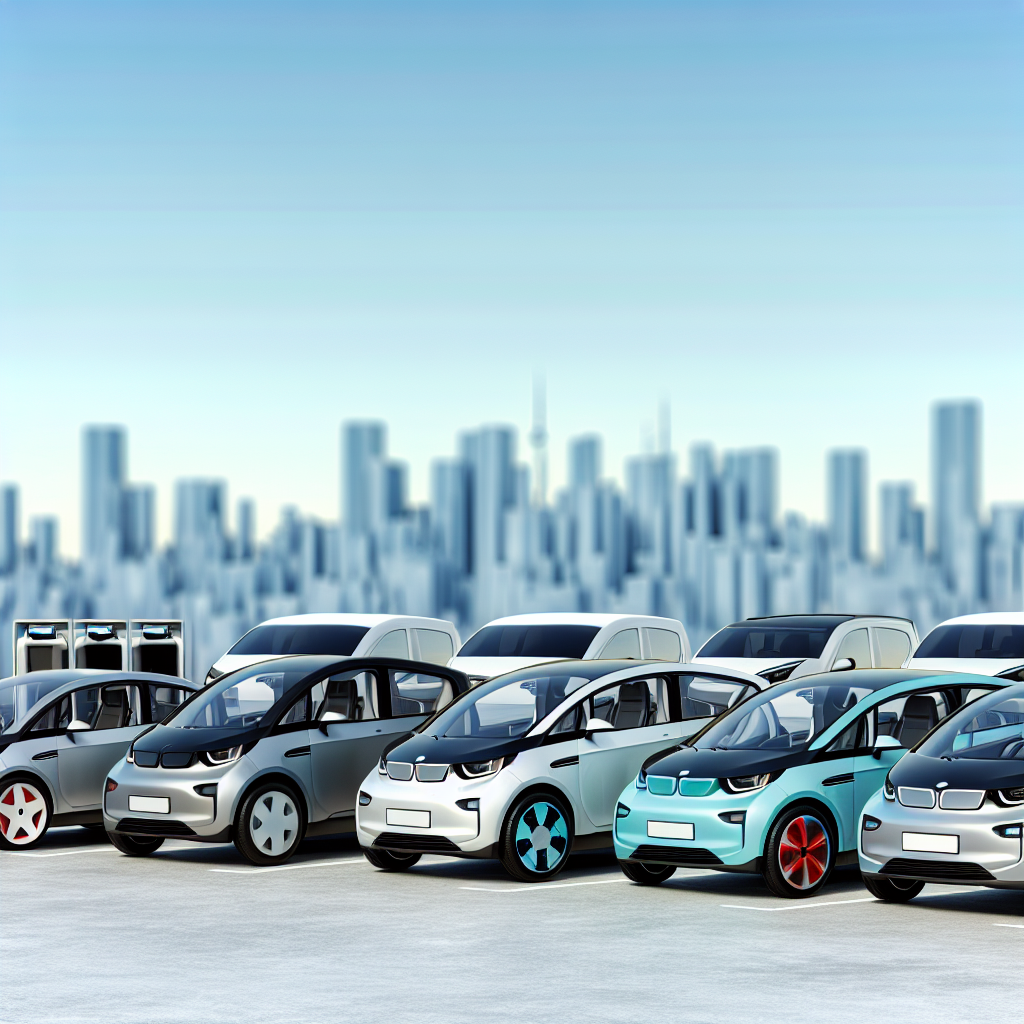
Government to Boost Electric Vehicle Adoption with New Funding
The UK government is poised to introduce an additional £1.3 billion for a scheme aimed at promoting electric vehicle (EV) usage during next week’s Budget announcement. This funding comes as the Electric Car Grant scheme, initiated in July, reports that 35,000 individuals have transitioned to EVs.
Electric Car Grant Scheme Overview
The Electric Car Grant scheme was designed to assist with the transition towards zero-emission vehicles, offering discounts of up to £3,750 for eligible cars. However, initial research from New AutoMotive indicates that the programme has not significantly attracted new buyers to the EV market. The proportion of new registrations for vehicles covered by the scheme remained at 23.8% in September, unchanged from before the initiative was launched.
David Farrar, policy manager for New AutoMotive, remarked, “It isn’t yet clear that it’s prompting consumers to consider buying cars that they wouldn’t have gone ahead and bought anyway.”
Infrastructure Improvements Planned
In addition to the grant scheme, the upcoming Budget is expected to allocate £200 million towards the expansion of charging infrastructure across the UK. Currently, there are nearly 87,000 charging points available nationwide, spread across approximately 44,000 locations, as reported by Zapmap. This new funding aims to facilitate the development of thousands of additional charging stations, thereby improving accessibility for all drivers, particularly those without off-street parking.
The government has indicated a consultation will be released regarding Permitted Development Rights to simplify and lower the costs for those without driveways to charge their EVs.
Concerns Over New Tax Proposals
Despite these advancements, electric vehicle owners may face potential new taxation in the form of a pay-per-mile charge as early as 2028. A government spokesperson highlighted that while fuel duty applies to petrol and diesel vehicles, there is currently no similar structure for electric vehicles, stating, “We want a fairer system for all drivers.”
A petition urging against tax increases for drivers is expected to be delivered to Downing Street ahead of the Budget announcement. Campaigners are concerned that with families already facing rising taxes and inflation, the priority should not be on subsidising electric cars.
Political Reactions
Richard Holden, the shadow transport secretary, vocalised opposition to the government’s funding strategy, labelling the allocation of £1.5 billion for EV subsidies “madness,” especially in light of financial pressures faced by ordinary citizens.
The Chancellor, Rachel Reeves, has indicated that tax increases may be necessary to address issues such as long NHS waiting lists, national debt, and the overall cost of living.
Background
The transition to electric vehicles is pivotal as the UK aims to enforce a ban on the sale of new petrol and diesel cars by 2030. This policy signifies the government’s commitment to reducing emissions and promoting sustainable alternatives in the automotive sector.