Rail Fares in England Frozen for 2024: A Modern First
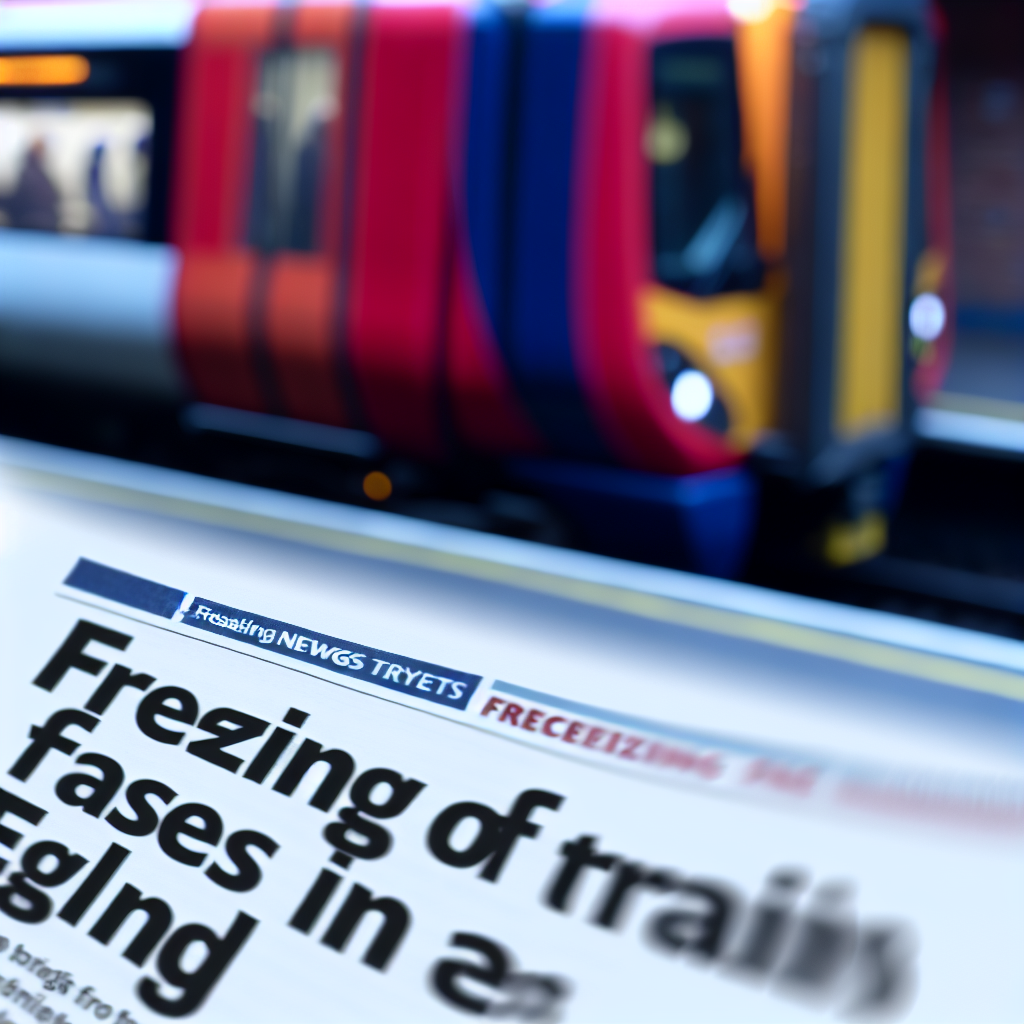
The UK government has announced a significant freeze on rail fares in England for the upcoming year, marking the first time in three decades that regulated fares will remain unchanged until March 2027. This decision aims to alleviate the financial burdens on commuters amidst rising living costs.
Details of the Fare Freeze
The fare freeze applies specifically to regulated fares, which encompass season tickets and off-peak return tickets. Traditionally, rail fares have seen annual increases in January, calculated based on the July rate of the retail price index (RPI) plus one percentage point. However, recent adjustments have seen fare increases occurring in March instead.
In the lead-up to this announcement, the most significant fare hike recorded was 4.6% in March 2025. The government aims to limit inflation by capping a major element of everyday expenses, according to statements from officials.
Impact on Commuters and Operators
The Rail Delivery Group, which represents various rail operators across the UK, has described the fare freeze as beneficial for rail users. A spokesperson expressed commitment to working with the government to ensure that forthcoming reforms in the railway sector yield tangible advantages for passengers.
In England, approximately 45% of rail fares are subject to government regulation; however, this fare freeze only pertains to services operated by companies located in England. It is worth noting that while regulated fares will not increase, unregulated fares, which are set by individual train operators, may still experience hikes.
Government’s Broader Railway Initiatives
The Chancellor, Rachel Reeves, indicated that the fare freeze is part of a larger strategy to combat cost-of-living pressures, facilitating easier travel for work, school, and social visits. Transport Secretary Heidi Alexander linked this initiative to broader efforts aimed at restructuring the railway system through the establishment of Great British Railways, an emerging public entity designed to enhance the efficiency and quality of rail services.
The government has pledged to take control over rail management, intending to reduce fragmentation in the railway sector while improving standards for passengers and making journeys more economical.
Background
Since the privatisation of British Rail in 1996, the regulation of some train fares has been a consistent feature of the UK railway landscape. While this fare freeze is unprecedented in modern history, there have been instances where fare increases fell below the rate of inflation, and occasional price reductions occurred in the aftermath of the financial crisis in 2010.
Labour has previously highlighted the relentless fare increases during the tenure of the preceding Conservative government, while a shadow transport secretary noted the party’s ongoing commitment to balancing fares and protecting commuters’ interests.