






















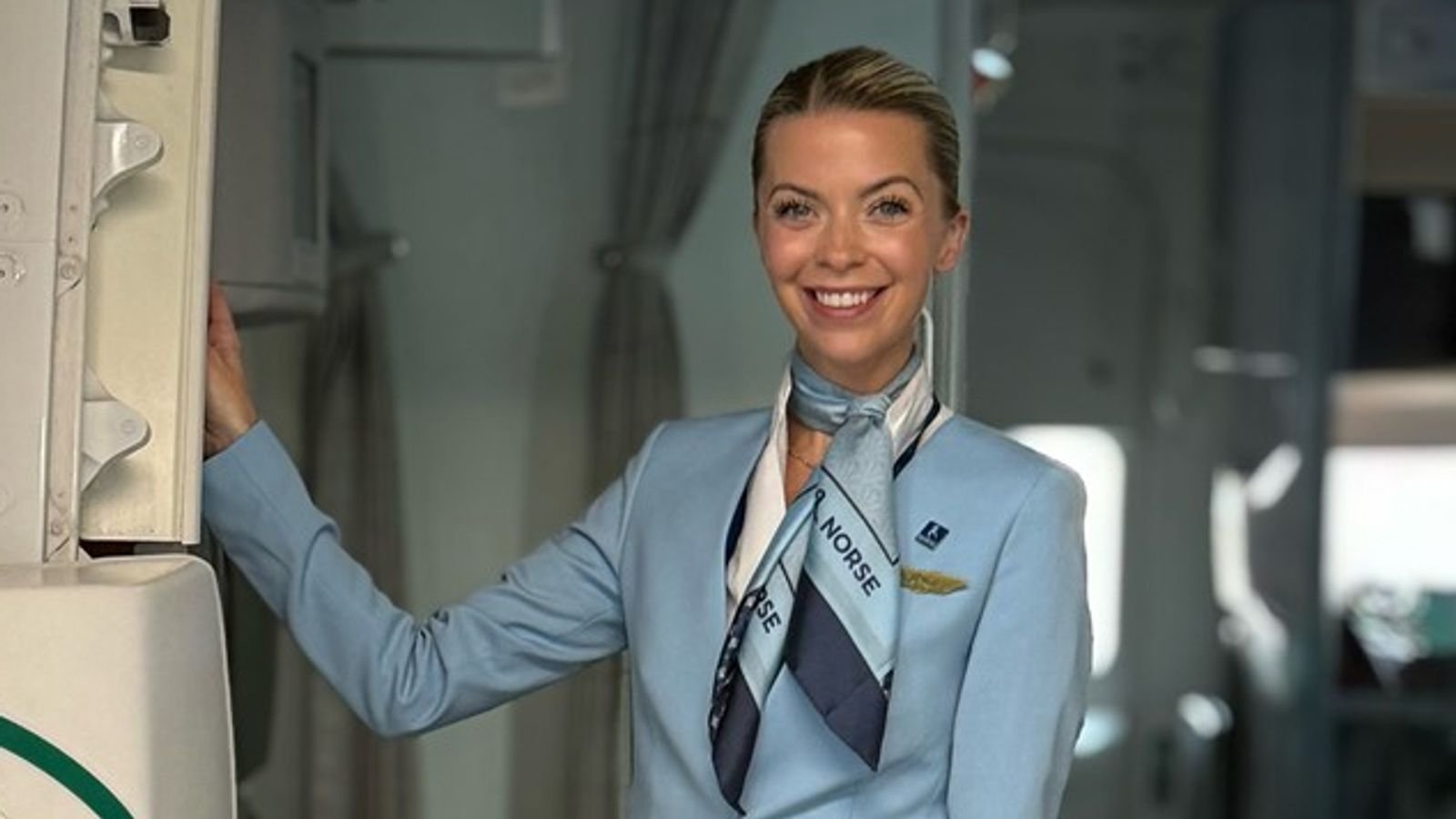
Life as an International Flight Attendant: An Insider’s Perspective
Grace Hampson, an international flight attendant, provides a rare glimpse into the realities of her profession, highlighting both the perks and challenges that come with soaring through the skies. Each week, professionals from various fields share their experiences, and Hampson’s insights shed light on an often-romanticised career choice.
Understanding Salary and Work Conditions
Hampson explains that the compensation structure for flight attendants is multifaceted, consisting of a basic salary, flight pay, and allowances connected to travel destinations. According to the National Careers Service, entry-level salaries begin around £19,000 annually and can rise to £28,000.
Hours and Holidays
Unlike conventional jobs with fixed working hours, flight attendants operate under specific flying time restrictions set by the Civil Aviation Authority. They are permitted to log a maximum of 900 flying hours per year and no more than 100 hours within any rolling 28-day period. Additionally, they receive 28 days of annual leave.
Training and Professional Requirements
The training for flight attendants varies by airline. Prospective attendants must first attain a safety qualification known as an attestation. Following this, they undergo type-rating for the specific aircraft they will operate. The duration and intensity of this training can differ significantly based on airline policies.
The Perks and Challenges of the Role
One of the most appealing aspects of Hampson’s job is the opportunity to explore diverse cultures and meet new people. The flexibility of long-haul schedules also adds to the allure of this career path.
Passenger Interaction
However, the role is not without its frustrations. Hampson mentions one annoyance: passengers frequently inquiring about switching seats during boarding. She emphasises that keeping passengers in their assigned seats is crucial for maintaining the aircraft’s weight balance, essential for safe take-off.
Misconceptions About the Job
While many see flight attendants simply as “waitresses in the sky,” Hampson stresses that their primary responsibility is ensuring passenger safety. Attendants are trained to manage in-flight emergencies and must be prepared to handle challenging situations with limited resources.
Travel Insights
When it comes to travel, Hampson believes that the optimal time to fly is early in the morning due to less crowded airports and lower ticket prices. She cites Tuesdays and Wednesdays as typically the most economical days to book flights.
The Appeal of Certain Airports
Despite its crowded reputation, Los Angeles International Airport tops her list of favourites due to its extensive shopping and dining options and the variety of flights available.
Navigating Alcohol and Environmental Concerns
Hampson explains that there are strict guidelines for serving alcohol on long-haul flights. Ensuring the well-being and safety of passengers remains a top priority, especially when it comes to monitoring alcohol consumption.
Environmental Impact
The aviation sector faces continuous scrutiny over its environmental impact. Hampson points out that modern aircraft, such as the 787 Dreamliner, improve fuel efficiency and reduce emissions. She notes the potential of sustainable aviation fuel to significantly lower the carbon footprint of air travel once it becomes viable on a commercial scale.
Personal and Professional Reflections
In her reflection on the job, Hampson reveals that many passengers misunderstand flight operations. Contrary to common belief, crews do not immediately return home after long-haul journeys; instead, they usually rest at the destination for a night or two before working the return flight.
Concluding Thoughts
Despite her years of experience, Hampson remains undaunted by turbulence, viewing it as an opportunity to check in on passenger safety. She recently began sharing insights and answering questions about flying on her TikTok channel, further connecting with the public. Ultimately, while the job has its challenges, moments like receiving applause from passengers at landing affirm her commitment to a career that balances adventure with responsibility.
Background
The role of flight attendants has evolved over the years, particularly in response to changing travel habits and increasing safety protocols. As air travel becomes a staple in modern society, understanding the experiences and challenges faced by those who ensure passenger safety and comfort is more important than ever.
Source: Original Article






