






















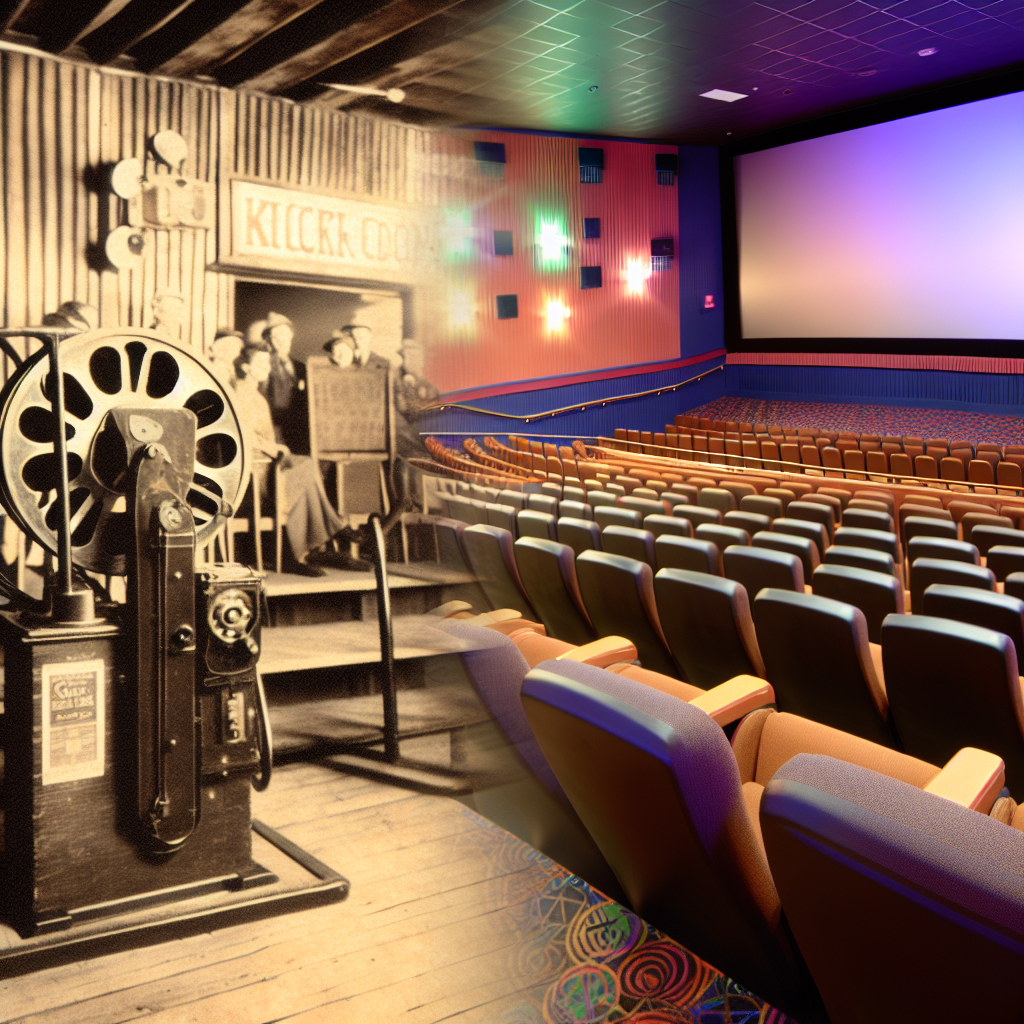
The Birth of Nickelodeons
The journey of movie theatres began in the early 20th century with the inception of nickelodeons. These venues were small, often makeshift theatres that charged a nickel for admission. Nickelodeons primarily showcased short films and became wildly popular in urban areas across the United States. By 1907, over 4,000 nickelodeons existed, providing a new form of entertainment for the masses.
The Rise of Feature Films
As audiences craved longer narratives, the film industry responded. The 1910s saw the emergence of feature-length films, replacing the short films that defined nickelodeons. Innovators like D.W. Griffith made significant contributions through works such as “The Birth of a Nation” (1915) and “Intolerance” (1916), shaping storytelling and cinematic techniques.
The Golden Age of Hollywood
The 1930s to 1950s marked the Golden Age of Hollywood. During this period, the studio system flourished, leading to the creation of iconic films and star power. The attendance of moviegoers soared as lavish theatres, known as movie palaces, provided an opulent cinema experience. Directors like Alfred Hitchcock and actors such as Bette Davis became household names.
The Advent of Sound and Color
The transition from silent films to “talkies” began with “The Jazz Singer” (1927), which revolutionized the industry through synchronized sound. Color films also gained traction in the 1930s, with Technicolor providing a rich visual palette, as seen in productions like “The Wizard of Oz” (1939). These advancements not only enhanced storytelling but also transformed audience expectations.
The Impact of International Cinema
As Hollywood thrived, international cinema began to flourish, introducing new perspectives and techniques. Movements such as Italian Neorealism showcased gritty, realistic narratives following World War II. Directors like Federico Fellini and Vittorio De Sica influenced global filmmaking, while the French New Wave brought experimental storytelling and new editing techniques to the forefront in the late 1950s.
The Multiplex Revolution
In the 1980s and 1990s, the landscape of movie theatres transformed once again with the rise of multiplexes. These multiplexes, featuring multiple screens within a single venue, allowed for a diverse selection of films catering to various audiences. This era also saw the rise of blockbuster cinema, driven by high-profile directors such as Steven Spielberg and James Cameron, who changed the way films were marketed and distributed.
The Digital Age
As technology advanced, the digital revolution began to reshape movie theatres. Digital projection systems emerged in the early 2000s, drastically improving picture quality and accessibility. Additionally, the advent of home video and streaming services presented new challenges and opportunities for the industry. Despite these changes, the communal experience of watching a film in a theatre remains a cherished tradition.
Conclusion
The evolution of movie theatres from nickelodeons to multiplexes reflects broader social and technological changes in society. Each era brought innovations that not only changed how stories were told but also how they were experienced. While the formats and technologies may evolve, the magic of cinema continues to captivate audiences around the world.






