






















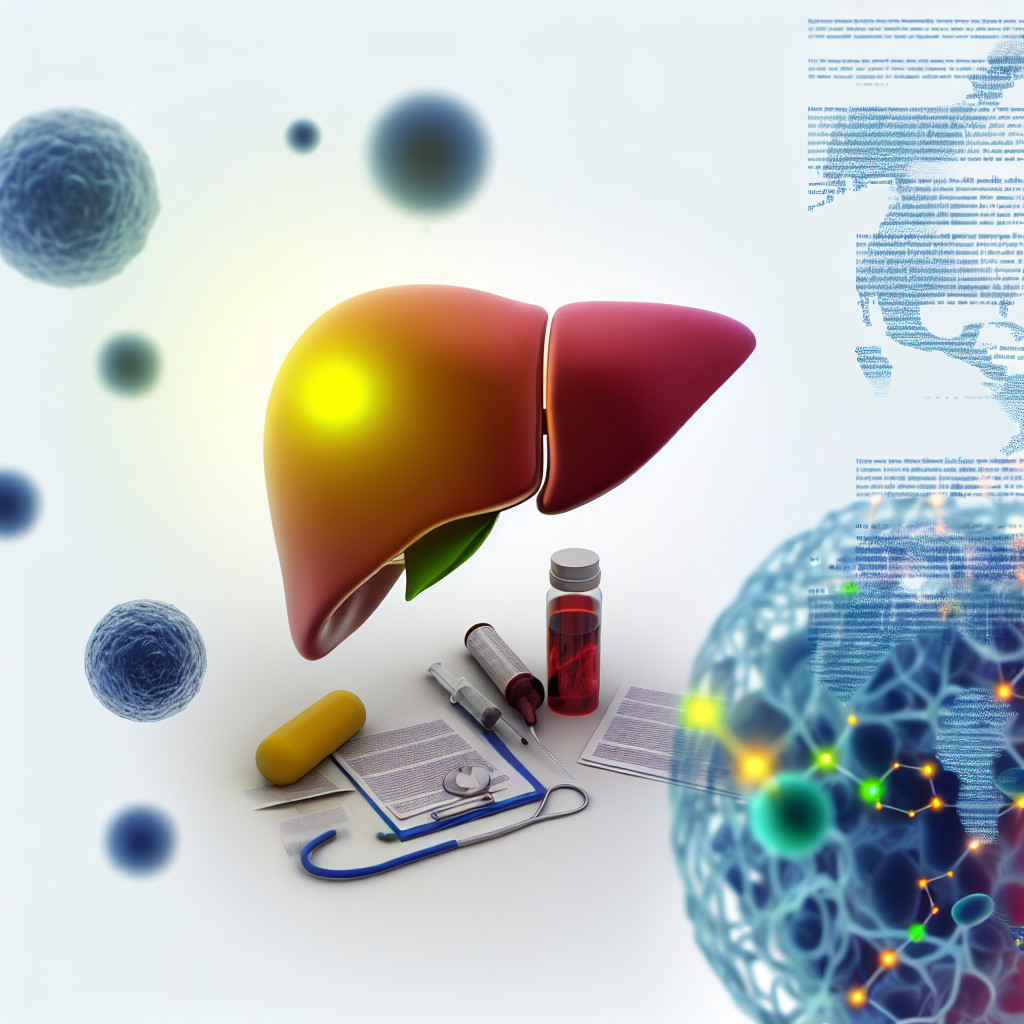
The Anatomy of Detoxification: How the Liver Purifies Our Bodies
The liver is a vital organ in the human body, playing a central role in detoxification and overall health. This article will explore the anatomy of the liver and its functions related to detoxification, providing insight into how this organ helps keep our bodies clean and functioning optimally.
Understanding the Liver’s Structure
The liver is located in the upper right portion of the abdominal cavity. It is composed of two lobes, each containing specialized cells known as hepatocytes. These cells perform the essential functions required for detoxification and metabolism.
Functions of the Liver in Detoxification
The liver processes various substances, including nutrients, hormones, and toxins. Its key roles in detoxification include:
- Metabolism of Nutrients: The liver converts carbohydrates, proteins, and fats into forms that the body can readily use. This includes storing glucose as glycogen and converting amino acids for protein synthesis.
- Detoxification of Toxins: The liver transforms harmful substances, such as alcohol and drugs, into less harmful compounds. These transformations usually involve chemical reactions that change the substance into a more water-soluble form for easier excretion.
- Production of Bile: The liver produces bile, a fluid that aids in digesting fats and eliminating waste products. Bile also helps to excrete bilirubin, a byproduct of red blood cell breakdown.
- Regulation of Hormones: The liver helps stabilize hormone levels by breaking down and regulating hormones in the bloodstream.
How Detoxification Works
The detoxification process in the liver involves two main phases:
- Phase I: Activation and Conversion – In this phase, the liver enzymes modify toxins to make them more reactive. This process may create intermediate compounds that are often more toxic than the original substances.
- Phase II: Conjugation – This phase involves further modification of the intermediate compounds, making them less harmful and easily excretable. This can involve adding substances like glucuronic acid, sulfur, or amino acids.
Supporting Liver Health
While the liver is naturally capable of detoxification, certain lifestyle choices can help support its health:
- Hydration: Drinking adequate water helps the liver flush out toxins effectively.
- Balanced Diet: Consuming a diet rich in fruits, vegetables, and whole grains provides essential nutrients that support liver function.
- Avoiding Excessive Alcohol: Limiting alcohol consumption can prevent liver damage and maintain its detoxification capacity.
- Regular Exercise: Physical activity can aid in maintaining a healthy weight, which is important for overall liver health.
Conclusion
The liver’s ability to detoxify the body is vital for maintaining health and wellness. By understanding its functions and supporting liver health through lifestyle choices, individuals can contribute to their well-being. Remember, it’s essential to care for this crucial organ to ensure it continues to function efficiently.






