Introduction to Wind Energy
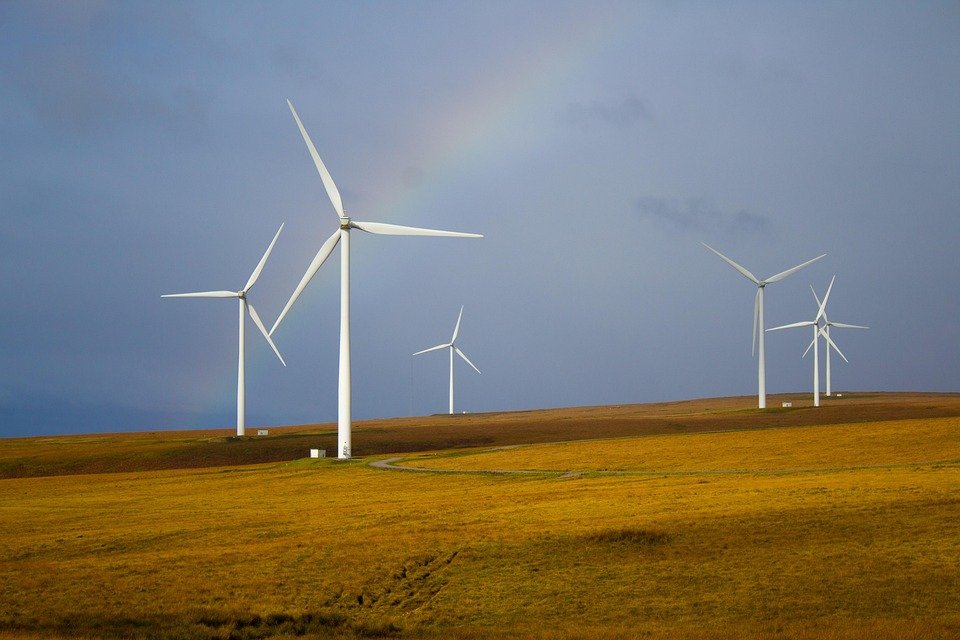
Wind energy is a renewable source of energy derived from the movement of air in the Earth’s atmosphere. Wind turbines convert this kinetic energy into mechanical energy, which can then be transformed into electricity. This process utilizes established principles of physics and engineering.
The Mechanics of Wind Turbines
The function of wind turbines is grounded in a few key principles of physics, particularly the concepts of energy conversion and aerodynamics.
Key Components of Wind Turbines
- Blades: The long, aerodynamic blades are crucial for harnessing wind energy. Their design allows them to capture wind effectively, creating lift similar to an airplane wing.
- Rotor: The blades are connected to the rotor, which spins as the wind blows against the blades.
- Gearbox: The rotor’s movement is transferred to a gearbox, which increases the rotational speed of the rotor to a level suitable for electricity generation.
- Generator: The generator converts mechanical energy into electrical energy. As the rotor turns, it activates the generator, producing electricity through electromagnetic induction.
- Tower: The tower supports the turbine at a height where wind speeds are higher and more consistent, improving the efficiency of energy capture.
How Electricity is Generated
The electricity generation process begins with the wind blowing over the turbine blades, causing them to rotate. This rotation turns the rotor, which activates the gearbox. The gearbox increases the rotor’s speed for optimal input into the generator, which operates on the principles of electromagnetic induction as described by Michael Faraday. In simple terms, as the rotor spins inside the generator, it induces an electrical current.
Efficiency Factors
The efficiency of wind turbines depends on several factors:
- Wind Speed: The power available in the wind increases with the cube of the wind speed. Turbines are designed to operate within a specific wind speed range to maximize energy capture.
- Blade Design: The shape and material of the blades can significantly affect performance. Modern turbines often use advanced materials to enhance strength and reduce weight.
- Location: Turbines installed in areas with consistent and strong winds tend to produce more energy. Geographic considerations include terrain, elevation, and proximity to the coast.
Environmental Impact and Benefits
Wind energy is considered one of the cleanest sources of renewable energy. Its environmental impact is significantly lower than fossil fuels, as it does not produce greenhouse gases during operation. However, considerations must be made regarding local wildlife and land use. Overall, the benefits include:
- Reduction in greenhouse gas emissions.
- Contribution to energy independence and security.
- Support for local economies through job creation in manufacturing and maintenance.
Conclusion
Wind turbines exemplify how kinetic energy from natural phenomena can be harnessed for human use. By understanding the mechanics of wind energy conversion, society can better appreciate and utilize this sustainable resource in the quest for cleaner energy solutions.