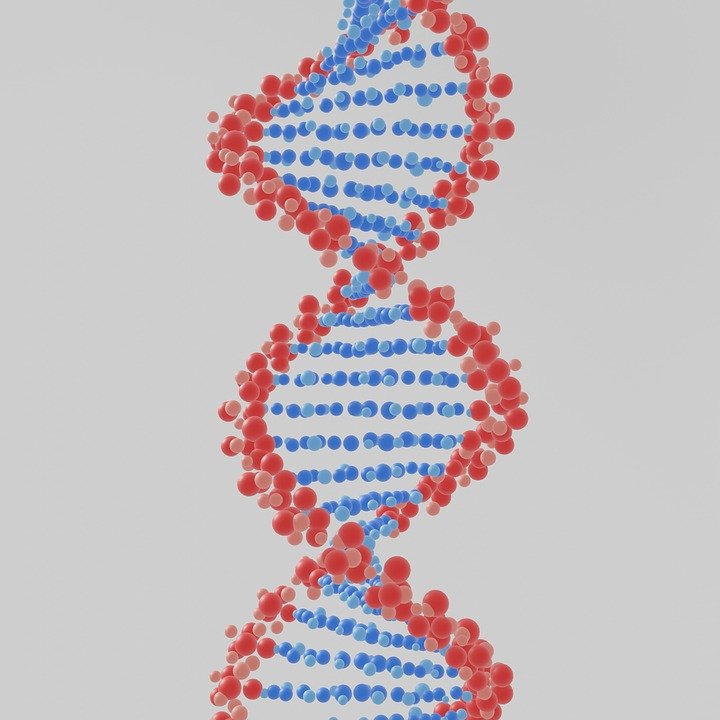
James Watson and Francis Crick: Pioneers of DNA Structure Analysis
James Watson and Francis Crick are renowned for their groundbreaking work in elucidating the structure of deoxyribonucleic acid (DNA), a discovery that has had a profound impact on the field of genetics and molecular biology. Their collaborative efforts in the early 1950s led to the formulation of the double helix model of DNA, fundamentally shifting the understanding of hereditary material.
Background
In the early 20th century, various scientists contributed to the understanding of DNA. While much was known about the biochemical properties of nucleic acids, the exact structure of DNA remained elusive. Evidence had accumulated regarding the roles of nucleotides—adenine, thymine, cytosine, and guanine—in the genetic code, but how these molecules were organized at a molecular level was poorly understood.
The Discovery of the Double Helix
Watson and Crick’s major breakthrough came in 1953 when they proposed a model for the double helix structure of DNA. Their model was informed by various existing data, including:
- X-ray Diffraction: Rosalind Franklin’s X-ray images of DNA provided critical insights into its helical structure.
- Chargaff’s Rules: Erwin Chargaff’s observations indicated that the amount of adenine equals thymine, and the amount of cytosine equals guanine in a given DNA sample, suggesting base pairing.
- Biochemical Knowledge: Prior knowledge of nucleotide composition and the chemical properties of the DNA molecule informed their model.
The Double Helix Model
Watson and Crick’s model illustrated DNA as a double-stranded helix, where two strands run in opposite directions and are held together by hydrogen bonds between complementary bases. This configuration allows for the precise replication of genetic information during cell division. The major features of their model include:
- Antiparallel Strands: The two strands of DNA run in opposite directions, providing a stable structure for the molecule.
- Base Pairing: Adenine pairs with thymine (A-T), and cytosine pairs with guanine (C-G), enabling accurate replication and transcription of genetic material.
- Major and Minor Grooves: The twisting of the helix creates grooves that provide access points for proteins involved in DNA replication and transcription.
Impact and Legacy
The discovery of the double helix structure of DNA has had lasting implications across numerous scientific disciplines, including:
- Genetics: The model laid the foundation for modern genetics and the understanding of heredity.
- Molecular Biology: Insights into DNA replication, transcription, and translation emerged, guiding research in gene expression and regulation.
- Medical Research: The understanding of DNA structure has been pivotal in advancing fields such as genomics, biotechnology, and gene therapy.
For their pivotal discovery, Watson, Crick, and Maurice Wilkins were awarded the Nobel Prize in Physiology or Medicine in 1962. Their work not only provided a crucial understanding of biological inheritance but also opened up new avenues for research in molecular biology and genetics, influencing decades of scientific inquiry.
Conclusion
James Watson and Francis Crick’s identification of the double helix structure of DNA stands as a seminal achievement in science. Their contributions continue to inform our understanding of life at the molecular level and highlight the importance of collaborative scientific inquiry.