






















Introduction
The 1920s marked a significant transformative period in the world of cinema, as filmmakers began to explore and refine lighting techniques that would influence future generations. The aesthetic choices made during this decade were directly tied to the technological advances and artistic movements of the time. This article dives into the lighting techniques that defined the films of the 1920s, shedding light on their historical context and the prominent figures behind them.
The Silent Era and Its Influence
The silent film era set the groundwork for innovative lighting techniques. Cinematographers began experimenting with light to convey emotion, enhance storytelling, and create mood. The absence of synchronized sound meant that visual storytelling relied heavily on these techniques.
Key Lighting Techniques
Several lighting techniques became prominent in the 1920s, each serving specific artistic purposes:
- High-Key Lighting: This technique involved an abundance of light, reducing shadows and creating a bright, cheerful atmosphere, particularly in comedies and musicals. Cinematographer Oscar Micheaux often utilized high-key lighting to enhance the optimistic tone of his films.
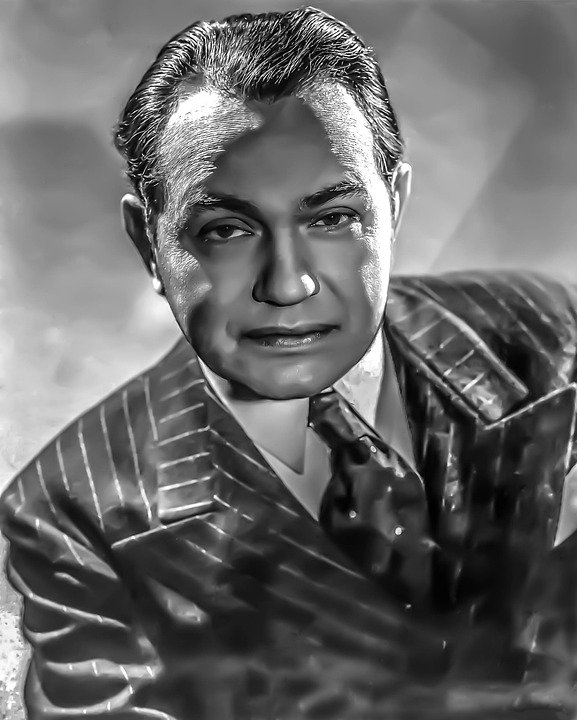
- Low-Key Lighting: Contrasting with high-key lighting, low-key lighting created deep shadows and dramatic contrasts. This technique became particularly popular in film noir and horror genres, with directors like F.W. Murnau (notably in “Nosferatu”) utilizing it to evoke tension and suspense.
- Backlighting: This technique illuminated the subject from behind, creating silhouettes and depth. It was often used to emphasize the emotional state of characters or to create an ethereal effect in dream sequences.
- Chiaroscuro Lighting: Drawing inspiration from Italian Renaissance painting, chiaroscuro involved strong contrasts between light and dark. Filmmakers like Fritz Lang used this technique to accentuate the psychological aspects of their characters.
Technological Innovations
The 1920s saw significant advancements in film technology that allowed for more intricate lighting techniques. The introduction of fresnel lenses and improved film stocks made it easier to manipulate light and achieve desired effects. Cinematographers could now control exposure more effectively, leading to visually stunning compositions.
Influence of Expressionism
The emergence of German Expressionism in the 1920s profoundly affected lighting styles. This movement emphasized stark contrasts, exaggerated shadows, and unusual perspectives to convey emotional turmoil. Films like “The Cabinet of Dr. Caligari,” directed by Robert Wiene, showcase masterful use of lighting to create a sense of unease and disorientation.
The Role of Notable Directors and Cinematographers
Several key figures played pivotal roles in shaping the lighting techniques of the era:
- Fritz Lang: Renowned for his meticulous use of lighting, Lang’s films, including “Metropolis,” showcased the blend of expressive shadows and innovative lighting schemes to manipulate audience perception and evoke emotion.
- DW Griffith: Widely regarded as one of the pioneers of modern cinematography, Griffith’s films utilized diverse lighting approaches to enhance narrative clarity and emotional impact.
- Giorgio Moroder: While mainly known for his musical contributions, Moroder’s ability to blend music and visual style in his productions is worthy of note, as lighting options influenced the mood of many performances.
Conclusion
The lighting techniques developed and refined during the 1920s laid the foundation for the visual language of modern cinema. As filmmakers learned how to manipulate light to evoke emotions and create narratives, they forever changed the way audiences experienced films. The legacy of this decade continues to resonate in contemporary filmmaking, as directors and cinematographers draw upon these historical techniques to enhance their storytelling.






