Northern Towns Seek Funding Boost Amid Controversy
Northern towns are poised for a potential increase in funding following concerns raised by local MPs that the current cash allocation system disproportionately benefits London. Discussions are underway between ministers and representatives from the northwest regarding adjustments to the existing funding formula, which has left some feeling “absolutely shafted.”
Concerns Over Funding Formula
The funding framework aims to direct resources to areas with the greatest need, but many from the north argue that the new methodology prioritises housing costs, skewing the distribution of funds in favour of the capital. A northern MP expressed frustration, stating, “It’s completely skew-whiffed the figures.” While London councils defend their position by citing high housing expenses, northern politicians contend that other factors, such as low income and limited opportunities, must also be considered.
Disparities in Needs
One MP highlighted the differences in resources between regions, pointing out that London’s superior state schools, transport links, job prospects, and cultural offerings are not mirrored in the north. Another representative stressed that this issue transcends a simple north-south divide, framing it instead as a matter of social justice. They lamented the significant rise in poverty levels in their town, asserting that the funding formula failed to address the visible challenges faced by communities like theirs.
Provisional Settlement and Expected Changes
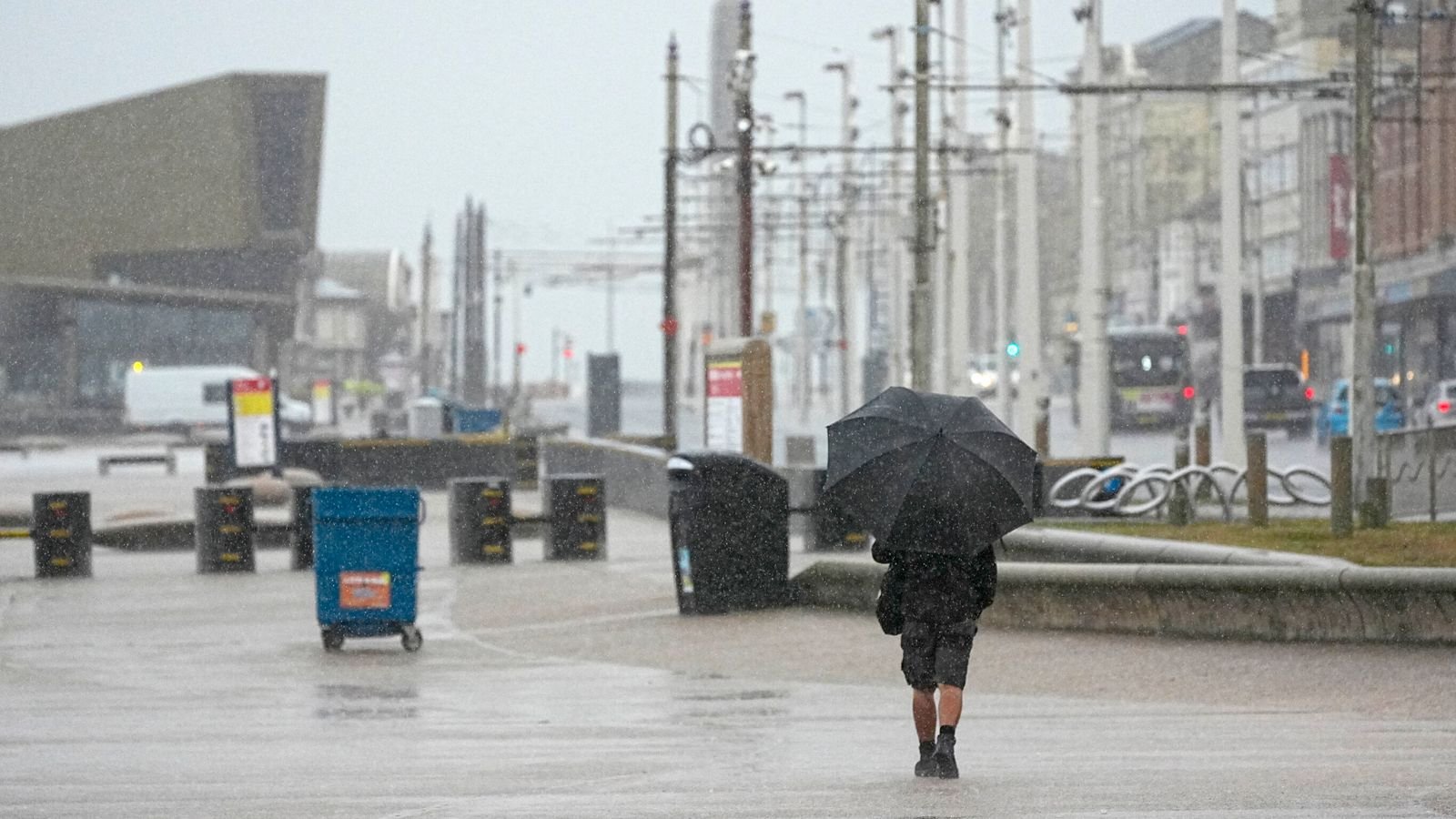
The provisional funding settlement released in December revealed that areas within the Liverpool City Region and neighbouring towns such as Blackpool, Wigan, and Warrington are set to receive below-average funding. Initially expected to gain substantial financial support, these regions have been adversely impacted by the recent adjustments to the deprivation metric used in determining funding allocations.
The government’s recent revisions to the measure compensate for housing costs, leading to increased allocations for areas of outer London while cutting funding for towns like Blackpool and Knowsley. This has raised concerns among MPs who argue that their regions require immediate and considerable investment to mitigate the effects of a decade’s worth of austerity measures.
Future Proposals
In light of these concerns, some officials have suggested increasing the Recovery Grant, aimed at providing immediate support to councils hardest hit by funding cuts. Currently set at £600 million, there are calls for a £400 million annual increase to help offset the perceived disadvantages stemming from the funding formula. This grant promises year-on-year increases for the upper-tier authorities benefiting from it.
Ongoing Discussions
Steve Reed, the Cabinet Minister for Housing and Communities, has met with stakeholders advocating for change. Figures like Steve Rotheram, the Metro Mayor for the Liverpool region, are actively engaged in these discussions. Although there are expectations for positive outcomes, no official confirmations have yet been issued.
A government spokesperson remarked, “We are repairing local government after years of decline and will shortly set out our consultation response confirming the final Local Government Finance Settlement for 2026-27.”
Background
The current funding formula is the first major overhaul of government financing in the last decade, aiming to increase overall funding across England from £83.2 billion in 2026/27 to £90.3 billion by 2028/29. While many areas are set to benefit from this rise, northern politicians insist that their regions need noticeable improvement to reduce the risk of political fragmentation, particularly with emerging threats from parties like Reform UK.
Source: Original Article