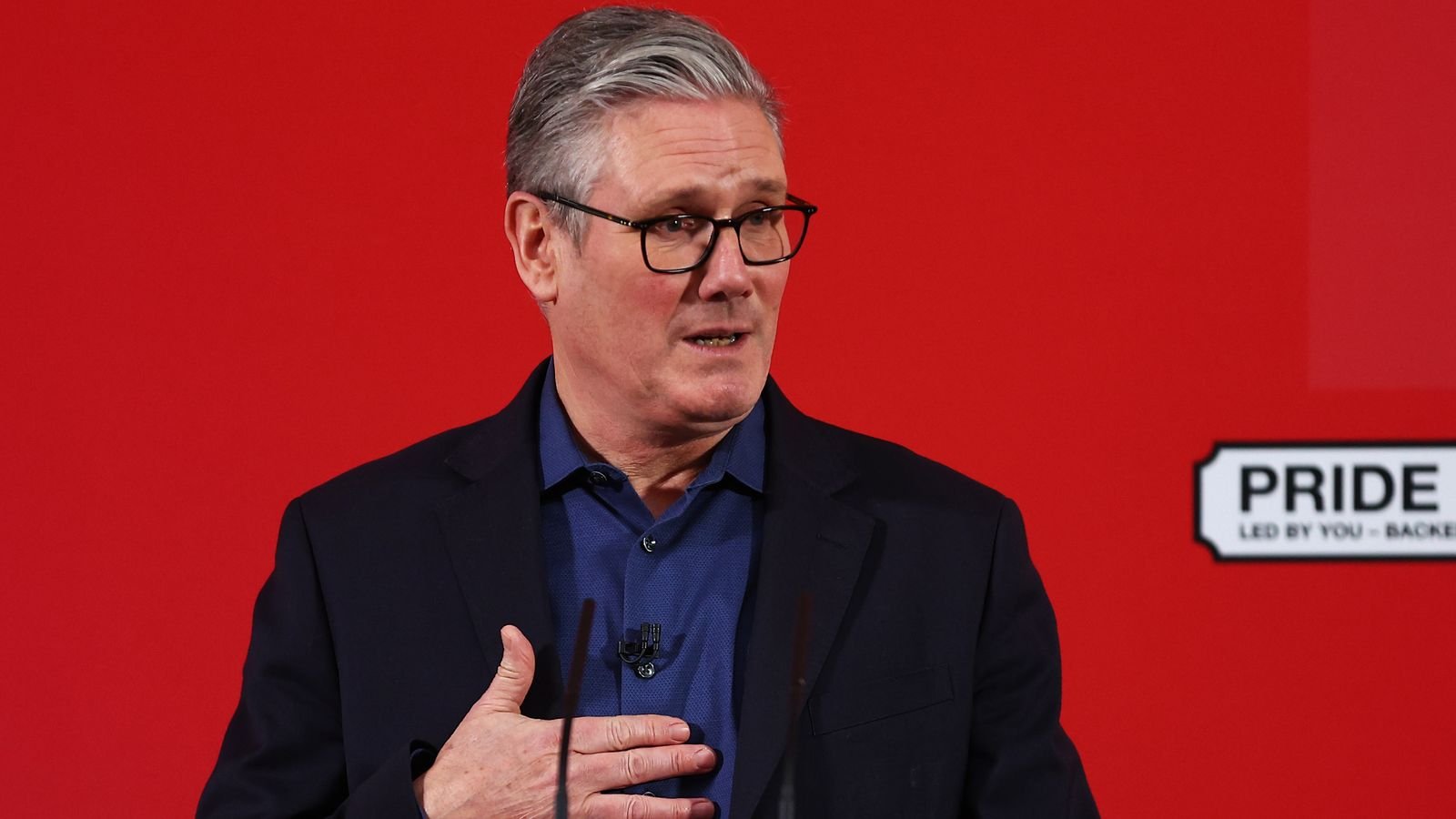
Starmer Apologises Amid Calls for No Confidence Vote
Sir Keir Starmer has expressed remorse for his previous trust in Peter Mandelson, which has escalated tensions within the Labour Party and triggered demands from opposition leaders for a no confidence vote against him. This incident follows revelations linking Mandelson to the disgraced financier Jeffrey Epstein.
Starmer’s Apology
During a recent address in Hastings, East Sussex, Sir Keir addressed the victims of Epstein, stating, “I am sorry for what was done to you,” while acknowledging failures of accountability regarding their trauma. He articulated regret over having appointed Mandelson as the US ambassador and reiterated the need for justice, asserting that those in power must be held accountable.
Starmer made it clear that the Labour leadership is committed to upholding integrity in public life, stating, “We will not look away… We will pursue the truth.”
Controversy Surrounding Mandelson
The scandal deepens with the sacking of Lord Mandelson, which occurred last year after links to Epstein were revealed. Sir Keir noted that it was known during Mandelson’s vetting process that he had a prior association with Epstein, raising questions about the extent of their relationship.
Public Reactions and Political Pressures
Opposition leaders have seized on Starmer’s admission of regret. Tory leader Kemi Badenoch commented that “Britain is not being governed” and suggested that Labour MPs should consider an alternative approach rather than avoiding the uncomfortable truths.
Liberal Democrat leader Sir Ed Davey urged for immediate action, stating that a confidence vote would clarify whether Labour MPs still support Sir Keir amidst the ongoing political turmoil.
Party Dynamics
Though some Labour MPs have begun to voice their concerns about Starmer’s leadership, only a limited number have publicly endorsed calls for his resignation. Veteran MP Graham Stringer conveyed a sense of inevitability regarding Starmer’s tenure, indicating that many believe it is a matter of “when, not if.” A source also conveyed widespread discontent, affirming that “many in the party are beyond upset.”
Background
This situation arises in the aftermath of intense scrutiny over Epstein’s societal connections, forcing political leaders to confront the implications of past associations with individuals involved in deep controversies. Starmer’s prior relationship with Mandelson, a significant figure in Labour politics, adds a layer of complexity given the expectations of accountability from the public and party members alike.
Source: Original Article