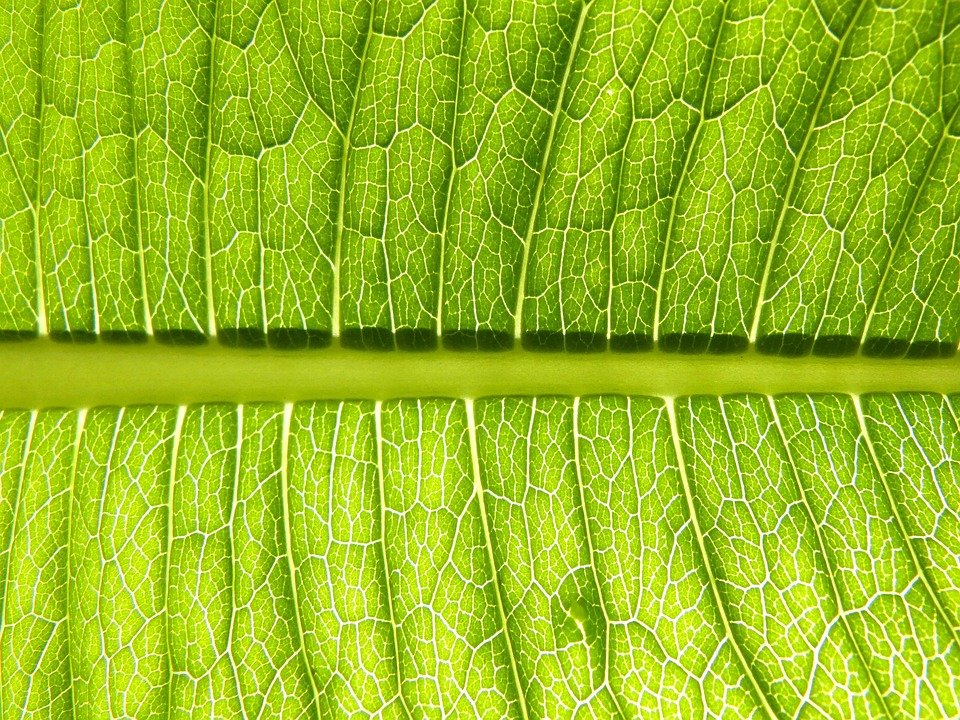
Introduction to Photosynthesis
Photosynthesis is a fundamental biological process that enables green plants, algae, and some bacteria to convert light energy into chemical energy. This process is vital for life on Earth, as it not only fuels plant growth but also produces oxygen, which is essential for the survival of many organisms, including humans.
The Process of Photosynthesis
The overall equation for photosynthesis can be represented as:
6 CO2 + 6 H2O + light energy → C6H12O6 + 6 O2
This equation summarizes how carbon dioxide and water, in the presence of sunlight, are transformed into glucose and oxygen. The process occurs primarily in the chloroplasts of plant cells.
Key Components of Photosynthesis
Sunlight
Sunlight serves as the energy source for photosynthesis. Plants contain chlorophyll, a pigment found in chloroplasts, which captures light energy. This energy is then used to drive the chemical reactions necessary for synthesizing glucose from carbon dioxide and water.
Water
Water is another critical component of photosynthesis. It is absorbed by the roots of plants and transported to the leaves. During the light-dependent reactions of photosynthesis, water molecules are split in a process called photolysis. This reaction releases oxygen as a byproduct and provides electrons needed for the synthesis of energy-rich molecules.
Carbon Dioxide
Carbon dioxide is obtained from the atmosphere through small openings in leaves known as stomata. During the light-independent reactions (Calvin cycle), carbon dioxide is fixed into organic molecules, ultimately producing glucose. This process illustrates the significance of atmospheric carbon dioxide in sustaining life through plant growth.
Stages of Photosynthesis
Photosynthesis consists of two main stages: the light-dependent reactions and the light-independent reactions (Calvin cycle).
- Light-Dependent Reactions: These reactions take place in the thylakoid membranes of chloroplasts and require light. When sunlight strikes chlorophyll, it energizes electrons, leading to the production of ATP (adenosine triphosphate) and NADPH, which are energy carriers.
- Light-Independent Reactions (Calvin Cycle): Occurring in the stroma of chloroplasts, this stage does not directly require light. Instead, it utilizes ATP and NADPH produced in the light-dependent reactions to convert carbon dioxide into glucose through a series of reactions.
Importance of Photosynthesis
Photosynthesis is crucial to life on Earth for several reasons:
- Oxygen Production: Through photosynthesis, plants release oxygen as a byproduct, playing a vital role in maintaining atmospheric oxygen levels.
- Food Source: Plants are primary producers in the food chain, providing a source of energy and nutrition for herbivores, which in turn feed carnivores.
- Carbon Cycle Regulation: Photosynthesis helps regulate carbon dioxide levels in the atmosphere, contributing to climate stability.
Conclusion
In summary, photosynthesis is an essential process that underscores the interconnectedness of life on Earth. By utilizing sunlight, water, and carbon dioxide, plants convert these basic elements into the energy-rich compounds that sustain not just their own growth but the diverse forms of life that depend on them. Understanding photosynthesis not only reveals the remarkable efficiency of plant life but also highlights the importance of protecting our green ecosystems for the future of life on our planet.