Government Communications Overhauled Amid Journalist Concerns
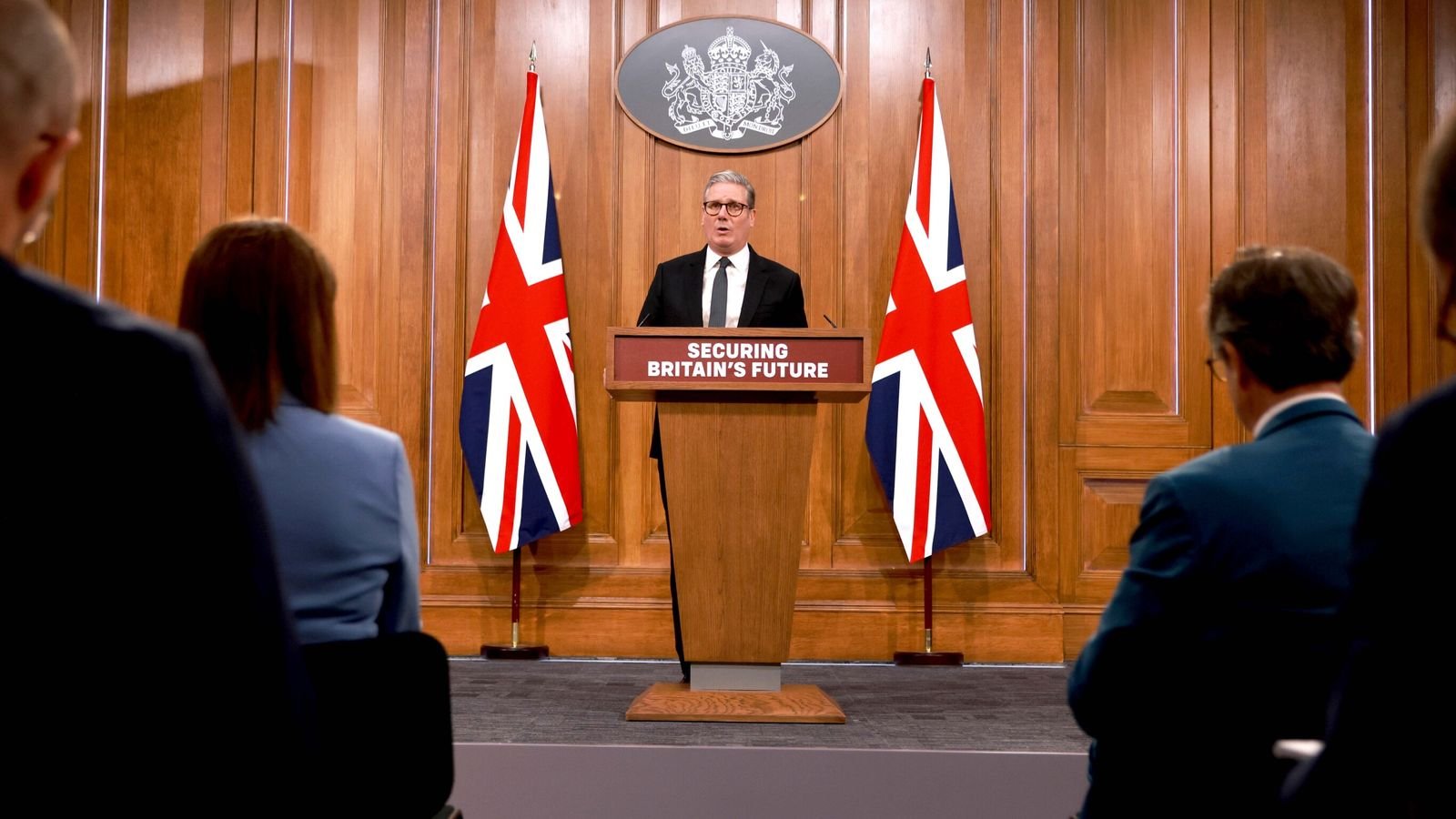
Sir Keir Starmer and his team have announced a significant transformation to the government’s communication strategy, including regular news conferences starting January. These changes have drawn criticism from some political journalists who express concerns about the implications for transparency.
Details of the New Communication Strategy
The announcement made just before Parliament’s Christmas recess indicates that ministers, alongside the Prime Minister on occasion, will host daily morning briefings aimed at delivering key government updates. By introducing sessions that welcome lobby journalists and “content creators,” the government intends to broaden access to its communications.
Tim Allan, the former communications director for Tony Blair who has recently taken a similar role under Starmer, believes the reforms will enhance the efficiency of interactions with journalists and better inform the public. However, the proposal to abolish daily afternoon briefings has sparked frustration among members of the press, as these sessions are viewed as vital opportunities for scrutiny.
Altering Access for Journalists
Under the upcoming changes, the daily afternoon briefings, where briefings often repeat information, are to be replaced by sporadic sessions where ministers will address new announcements and engage with the media. Additionally, there will be specialised technical briefings that allow journalists to pose questions to relevant officials regarding policy updates.
As the precise definition of “content creators” remains ambiguous, the government has yet to clarify how many additional voices will be included in this new access framework.
Reactions from the Journalism Community
The decision has prompted criticism from both David Hughes, the outgoing chair of the lobby, and Lizzy Buchan, its incoming chair. They voiced their distress over the lack of consultation before implementing these changes, suggesting that reduced access could impair their ability to hold the government accountable.
The pair expressed worries that the new format would place further limitations on questioning from journalists, potentially undermining the overall transparency of a government that previously vowed to uphold high standards.
Political Backlash
In light of the government’s announcement, Conservative representatives have accused Starmer’s administration of evading scrutiny. Kemi Badenoch’s spokesperson stated that the Labour government appears unwilling to tolerate examination of its actions.
Furthermore, the Conservatives have pledged to reverse this initiative should they regain power, aiming to reinstate traditional practices such as the afternoon lobby briefings.
Background
This overhaul of communications comes at a time when public trust in government transparency is under scrutiny. Following a period marked by unprecedented governmental communication challenges during the pandemic, the current administration’s push for a revamped communication strategy could significantly impact the relationship between the government and the press, as well as public perception of accountability.
Source: Original Article