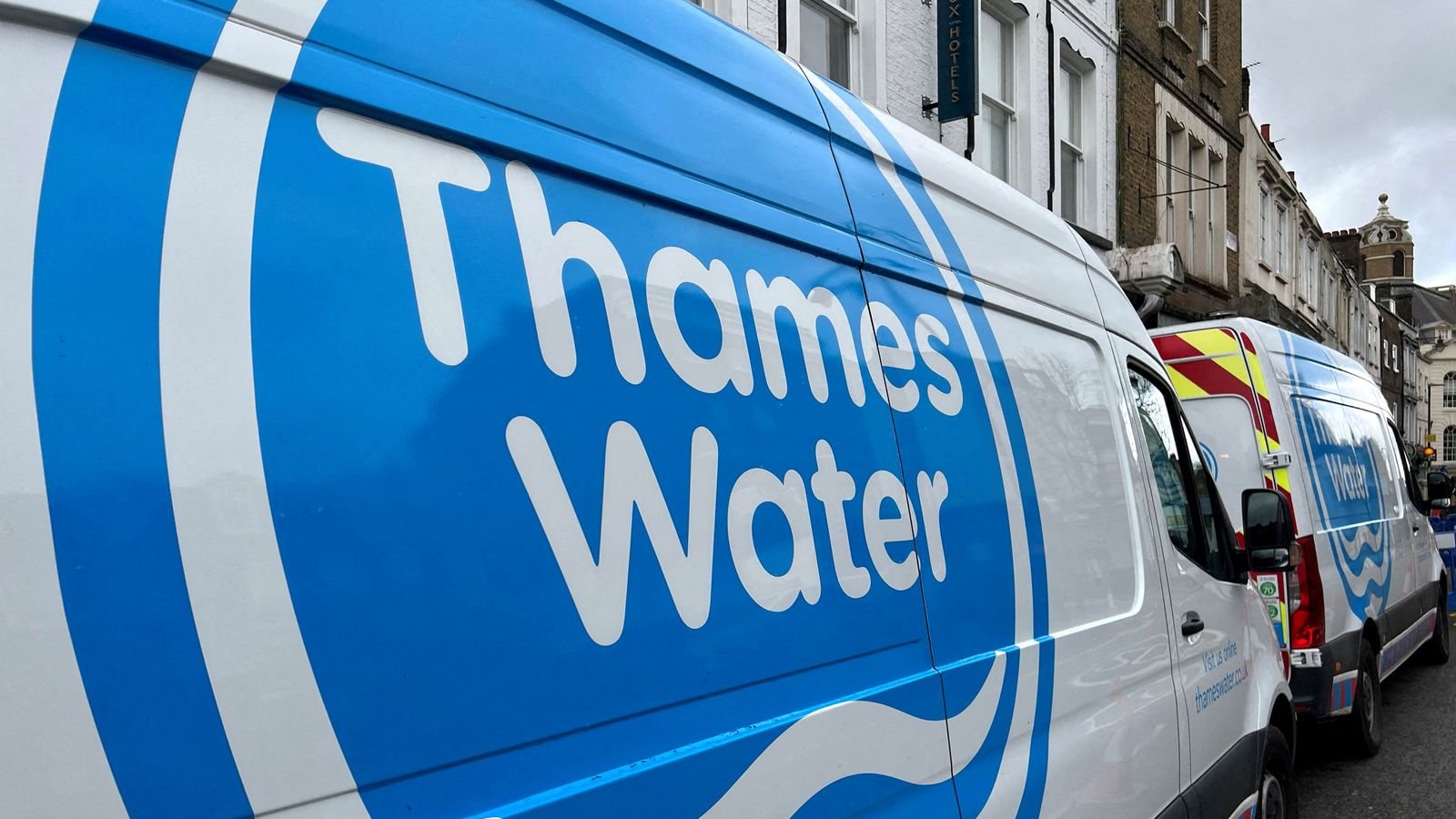
Thames Water Reports Rising Debt Amid Rebounding Profit
Thames Water has disclosed a surge in its debt level, even as it returned to profitability thanks to significant increases in customer billing. The UK’s largest water provider noted a 31% rise in bills since April, which has enabled a 22% boost in capital investment aimed at improving its service quality.
Financial Overview
The company’s revenue experienced a 42% rise compared to the same period last year, reaching £1.9 billion. This financial uplift facilitated a profit after tax of £328 million, contrasting sharply with a £190 million loss recorded during the same timeframe in 2024. However, Thames Water faces challenges from increased debt servicing costs, with its total debt climbing to £17.6 billion, a 5% increase.
Despite the rise in financial performance, Thames Water reported a 42% jump in customer complaints specifically related to the recent rate hikes. While waste complaints decreased by 11%, the overall customer satisfaction remains a pressing concern.
Operational Improvements and Challenges
During the six months ending in September, Thames Water claimed a 20% reduction in pollution incidents, and its leakage performance remained stable despite experiencing an exceptionally dry summer. The company has asserted that it is meeting demands to enhance its operational standards and reduce adverse environmental impacts.
Current Negotiations
These financial results arrive as discussions continue between the government and regulators concerning a rescue package involving Thames Water’s creditors, known as London & Valley Water. This consortium effectively holds ownership of Thames Water under a financial restructuring deal, which awaits regulatory approval before it can officially manage the firm.
If a resolution is not reached, stakeholders including influential investment firms such as Elliott Management and BlackRock risk facing substantial loss. The proposed arrangement aims to alleviate billions in debt and introduce fresh capital, while also seeking more balanced penalties from regulators.
Regulatory Scrutiny
Regulatory body Ofwat, which is expected to be dismantled in an industry oversight overhaul, has been closely examining the operational proposals from London & Valley Water. The future direction of Thames Water will heavily depend on the outcomes of these discussions and the regulatory stance towards any financial penalties.
In a statement, Thames Water’s CEO Chris Weston expressed optimism regarding progress on operational targets and the overall transformation of the company, which he noted could take at least a decade. He affirmed a commitment to working alongside stakeholders to secure a solution beneficial for the company’s customers and the environment.
Background
The financial turbulence of Thames Water is set against a backdrop of heightening concern over the state of water infrastructure in the UK. Increased scrutiny has emerged regarding environmental standards and service quality, making the resolution of Thames Water’s financial challenges a matter of public interest across the country.
As Thames Water continues its operational overhaul amidst rising costs for consumers, the importance of sustainable practices in managing critical infrastructure remains imperative for the future.
Source: Original Article