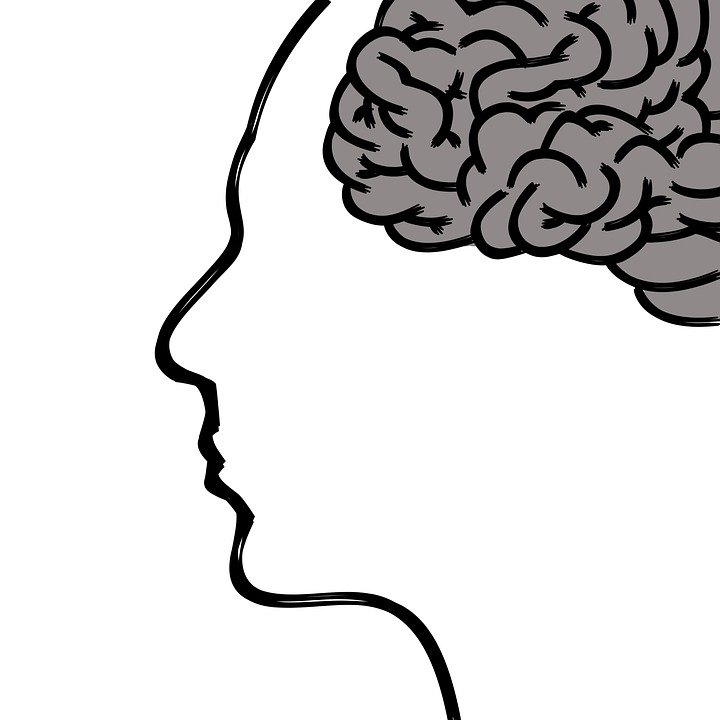
The human brain is a complex organ responsible for processing information, enabling thought, and controlling bodily functions. Understanding the neural pathways that facilitate these processes is key to understanding how the brain operates. This article delves into the fundamental principles of how the human brain processes information through its neural pathways.
Basic Structure of the Brain
The brain consists of various parts, each playing specific roles in processing information. The major regions include:
- Cerebrum: The largest part of the brain, responsible for higher brain functions, including thought, action, and sensory processing.
- Cerebellum: Responsible for coordination and balance.
- Brainstem: Controls basic life functions such as breathing and heartbeat.
Neurons and Synapses
Neurons are the fundamental units of the brain and nervous system, relaying signals through electrical impulses. Each neuron is made up of:
- Dendrites: Receive signals from other neurons.
- Cell Body: Contains the nucleus and is responsible for maintaining the cell.
- Axon: Transmits the electrical impulse away from the cell body to other neurons.
Signals are communicated between neurons at specialized junctions known as synapses. Neurotransmitters are released from the axon terminals, crossing the synapse and binding to receptors on the next neuron, allowing the signal to continue.
How Information is Processed
Information processing in the brain occurs through a series of stages:
- Perception: Information from the environment is detected by sensory organs (e.g., eyes, ears) and transmitted to the brain.
- Integration: The brain integrates incoming information, often using multiple areas to interpret sensory data. For example, visual information from the eyes is processed in the occipital lobe.
- Response: After integration, the brain formulates a response, which is then transmitted via motor neurons to trigger muscle movements or other bodily responses.
Neural Pathways and Learning
Neural pathways are networks of neurons that work together to perform specific functions. The strength and efficiency of these pathways can change through a process known as neural plasticity. Two primary forms of plasticity are:
- Long-term potentiation (LTP): An increase in synaptic strength following repeated stimulation, which is essential for learning and memory.
- Long-term depression (LTD): A weakening of synaptic strength, which allows for the refinement of neural connections.
This adaptability of neural pathways is crucial for learning new skills and adapting to new experiences.
Conclusion
Understanding the neural pathways and their roles in processing information helps illuminate the complexities of human behavior and cognition. The brain’s ability to adapt and reorganize itself through neural plasticity demonstrates its remarkable capacity for learning and memory. By studying these processes, scientists continue to uncover the intricacies of human thought and behavior.