






















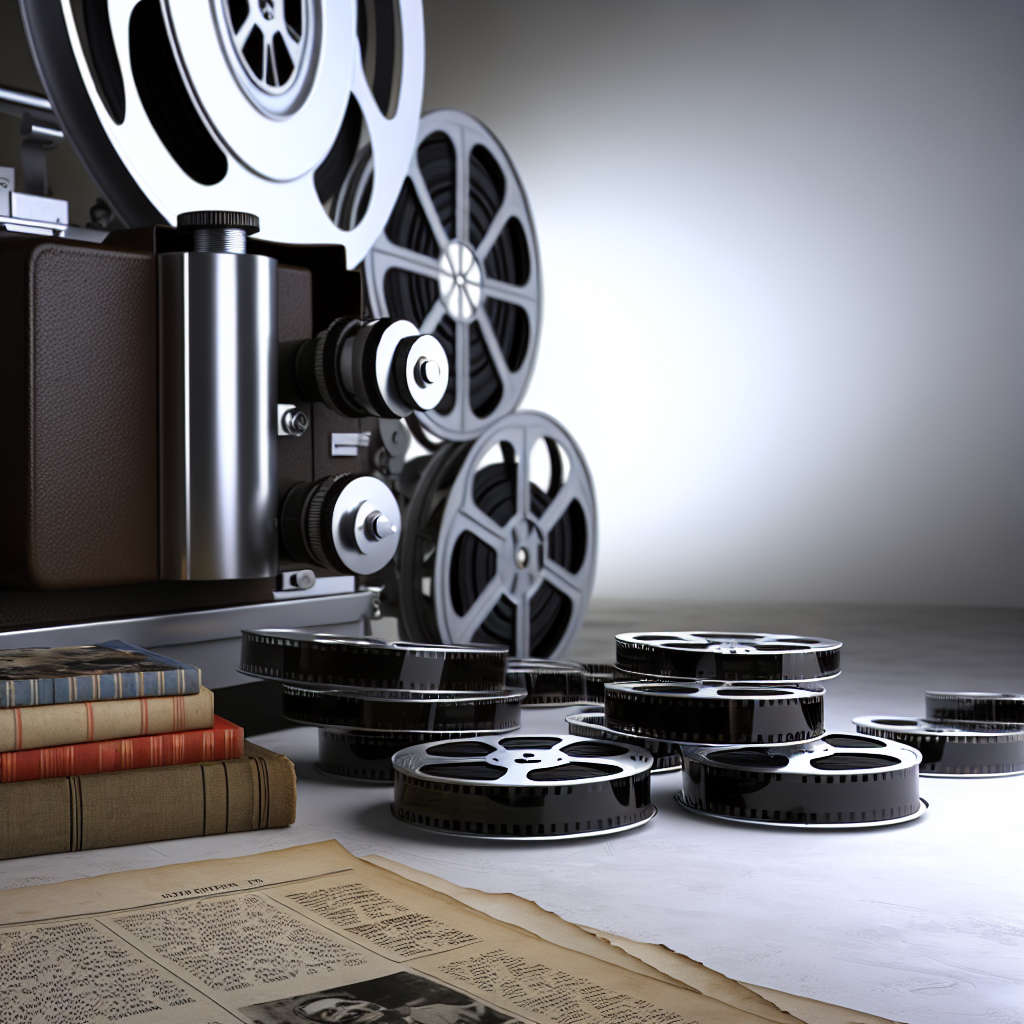
The Importance of Film Preservation
Film preservation is essential not only for the protection of cinematic art but also for maintaining the cultural heritage that films represent. As a medium that encapsulates the social, political, and artistic climates of their times, films provide a vivid expression of a society’s values, struggles, and discoveries. The history of film preservation reflects an understanding that films are not just entertainment; they are historical documents.
A Brief History of Film Preservation Efforts
- The Silent Era (1890s-1920s): With the rapid rise of cinema, early films were often neglected once they had served their purpose. Many are lost, but some such as works by Georges Méliès were preserved, highlighting the need for dedicated preservation efforts.
- The Formation of Film Archive Institutions (1930s-1960s): Organizations like the Museum of Modern Art (MoMA) in New York, established in 1935, laid the groundwork for film preservation in the United States. These institutions began systematically collecting and preserving films, recognizing their cultural significance.
- The Birth of the National Film Registry (1989): In the United States, the National Film Preservation Act established the National Film Registry, enabling the Library of Congress to preserve films deemed “culturally, historically, or aesthetically significant.” This marked a pivotal entry point for films into national heritage discussions.
Global Perspectives on Film Preservation
Film preservation is a global concern, with various countries undertaking initiatives to safeguard their cinematic heritage.
- France: The French National Film Archive (Cinémathèque Française) has played a crucial role in preserving French cinema while promoting film culture through screenings and education.
- Italy: The Cineteca di Bologna launched the “Cinema Ritrovato” festival, focusing on restoring classic films, emphasizing the importance of historical context and storytelling in film.
- Japan: The National Film Center in Tokyo engages in restoring and preserving Japanese cinema, recognizing the value of films as reflections of cultural identity and historical narratives.
The Aesthetic and Cultural Value of Preserved Films
Preserved films provide invaluable insight into the evolution of cinematic techniques and storytelling methods. They allow scholars, filmmakers, and audiences to appreciate the artistry and craft of influential directors like Alfred Hitchcock, Federico Fellini, and Akira Kurosawa, whose works have shaped modern cinema.
For instance, the preservation of Hitchcock’s suspenseful narratives has enabled studies into psychological thrillers, while Fellini’s dreamlike qualities continue to inspire contemporary filmmakers. The restoration of Kurosawa’s films has brought attention not only to his directorial style but also to the rich tapestry of Japanese societal themes depicted within.
Modern Challenges in Film Preservation
Despite its importance, film preservation faces numerous challenges:
- Technological Advancements: The evolution of film technology from analog to digital poses risks for older films, particularly as projection formats shift.
- Funding and Resources: Many preservation initiatives struggle with limited funding, impacting their ability to restore and maintain films properly.
- The Loss of Original Materials: Many films are stored on deteriorating materials, making immediate action necessary to prevent irreversible damage.
The Future of Film Preservation
The future of film preservation remains hopeful, supported by advancements in technology. Digital restorations have given new life to classic films, allowing a wider audience access to these cultural treasures. Collaborative global efforts, such as the World Cinema Project founded by Martin Scorsese, advocate not just for preservation but for the promotion of underrepresented cinema from around the world.
Film preservation, therefore, is not merely a technical endeavor but a cultural imperative. As society continues to evolve, the importance of preserving films as a means of documenting historical experiences and artistic innovation remains paramount.






