






















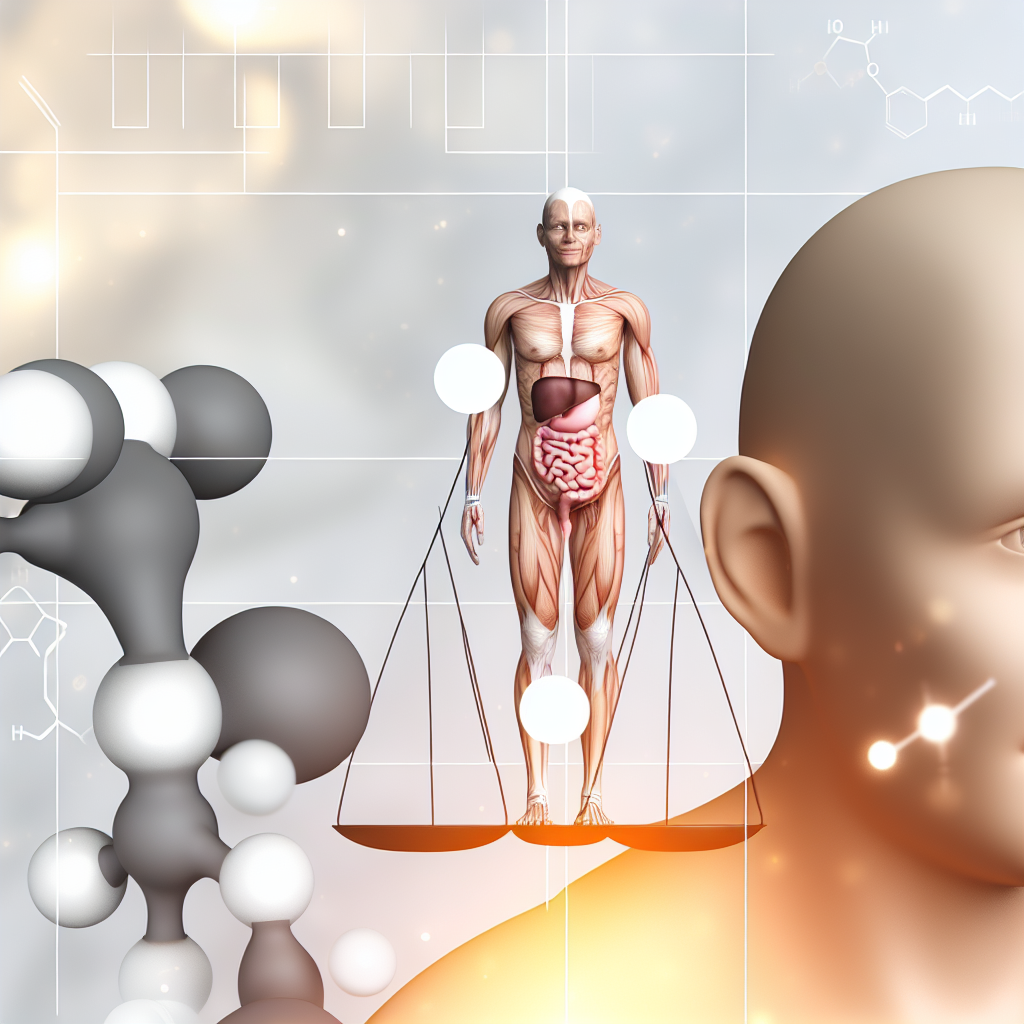
The human body is a complex and intricate system, and one of its key components is the set of hormones that regulate various functions. Hormones are chemical messengers produced by glands and are essential for maintaining homeostasis, the body’s state of balance.
What is Homeostasis?
Homeostasis is the process through which the body maintains a stable internal environment despite external changes. This involves regulating several factors such as temperature, pH levels, hydration, and electrolyte balance.
The Role of Hormones
Hormones play a critical role in achieving and maintaining homeostasis. Here are some of the primary functions of hormones in this process:
- Regulating Metabolism: Hormones like insulin and glucagon help control blood sugar levels, influencing how the body utilizes energy.
- Controlling Water Balance: Antidiuretic hormone (ADH) regulates water retention in the kidneys, which helps to maintain fluid balance.
- Managing Stress Response: Hormones such as cortisol are involved in the body’s response to stress, influencing many bodily processes during both acute and chronic stress.
- Influencing Growth and Development: Growth hormone is crucial for physical development and regulating metabolism throughout life.
- Regulating the Reproductive System: Sex hormones, such as estrogen and testosterone, are essential for reproductive health and development.
Feedback Mechanisms
The body uses feedback mechanisms to regulate hormone levels. These mechanisms can be classified as:
- Negative Feedback: This occurs when a hormone’s effect leads to a decrease in its own production. For example, high blood sugar levels stimulate insulin release, which lowers blood sugar and subsequently decreases insulin production.
- Positive Feedback: This is less common and occurs when a hormone’s effect stimulates the production of more of that hormone. An example is the release of oxytocin during childbirth, which intensifies labor contractions.
Conclusion
Hormones are vital for maintaining homeostasis and ensuring that the body functions optimally. By regulating various physiological processes, hormones allow the body to adapt to changes and sustain life. Understanding the role of hormones can help individuals appreciate the complexity of bodily functions and the importance of balance within the body’s systems.






