The Evolution of Formula 1 Racing: A Historical Overview of Technological Advancements
Formula 1 racing, widely regarded as the pinnacle of motorsport, has undergone significant transformations since its inception in 1950. This evolution has largely been driven by technological advancements that have improved the performance, safety, and overall experience of both drivers and fans.
Early Years: The Birth of Formula 1
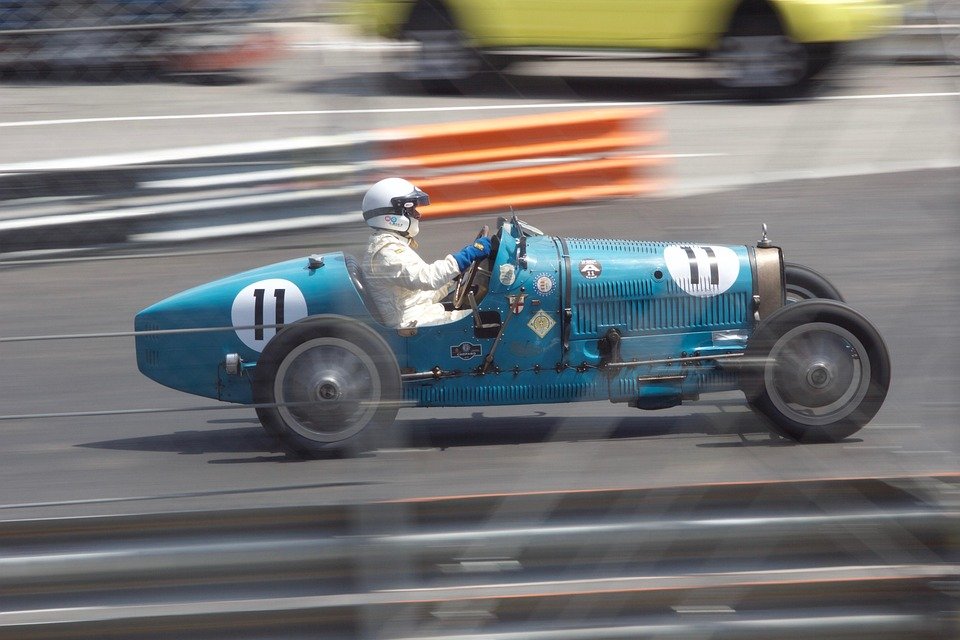
The inaugural season of the FIA Formula One World Championship took place in 1950. Early cars were powered by naturally aspirated engines, which relied solely on atmospheric pressure to get air into the cylinder. The designs were relatively simplistic compared to today’s standards, focusing primarily on speed and basic aerodynamics.
- Engine Technology: Early F1 cars typically featured inline-4 engines, which were lightweight but limited in performance.
- Aerodynamics: The concept of aerodynamics was rudimentary, with little attention paid to downforce.
The 1960s and 1970s: The Rise of Aerodynamics
The 1960s marked the introduction of aerodynamic principles that began to shape car design. With the development of the rear wing and other aerodynamic features, cars became faster and more stable at high speeds.
- Monocoque Chassis: By the late 1960s, manufacturers adopted monocoque chassis constructions, which improved rigidity and safety.
- Fan Cars: In 1977, the Brabham BT46B featured a fan that created additional downforce, highlighting the importance of aerodynamics in achieving high speeds. However, the design was quickly banned by regulators.
The 1980s: Advancements in Engine Technology
The 1980s saw a wave of technological innovations, particularly in engine design. Turbocharged engines became popular, allowing for increased horsepower and improved performance on track.
- Turbos vs. Naturally Aspirated: These engines, while complex, allowed for significant gains in speed, as seen in models like the Renault RE30.
- Enhanced Safety: Following high-profile incidents, safety measures began to evolve, including improved driver helmets and car designs aimed at crash safety.
The 1990s: Safety and Regulation
The introduction of stricter safety regulations in the 1990s shaped the development of cars. The tragic death of Ayrton Senna in 1994 led to a renewed focus on safety standards.
- Improved Cockpit Design: The cockpit area saw enhancements to protect drivers during crashes, including the introduction of HANS devices.
- Global Standards: The FIA began implementing regulations that limited engine performance, steering teams towards more reliable technologies.
The 2000s: Electronic Innovations
As technology progressed into the 2000s, electronic systems began to play a crucial role in performance enhancement.
- Electronic Control Units (ECUs): These systems enabled a variety of functions, including traction control and adjustable aerodynamics.
- Telematics: Teams started using telemetry data for real-time performance monitoring, allowing for adjustments during races.
The 2010s: Hybrid Power Units and Sustainability
The introduction of hybrid power units in 2014 marked a major turning point towards sustainability in Formula 1.
- Energy Recovery Systems: These power units utilized both traditional combustion engines and electric motors, allowing teams to recover and reuse energy during races.
- Environmental Considerations: The shift to hybrid technology was aimed at making the sport more environmentally friendly while maintaining high levels of performance.
Conclusion
The evolution of Formula 1 racing reflects the dynamic interplay between technology, safety, and performance. From the early days of simple construction to today’s advanced hybrid systems, the sport has continually adapted to the demands of both competition and the environment. As technology progresses, Formula 1 will undoubtedly keep pushing the boundaries, ensuring it remains a leader in automotive innovation.