






















Dozens of Butchered Geese Discovered in Rural Norfolk
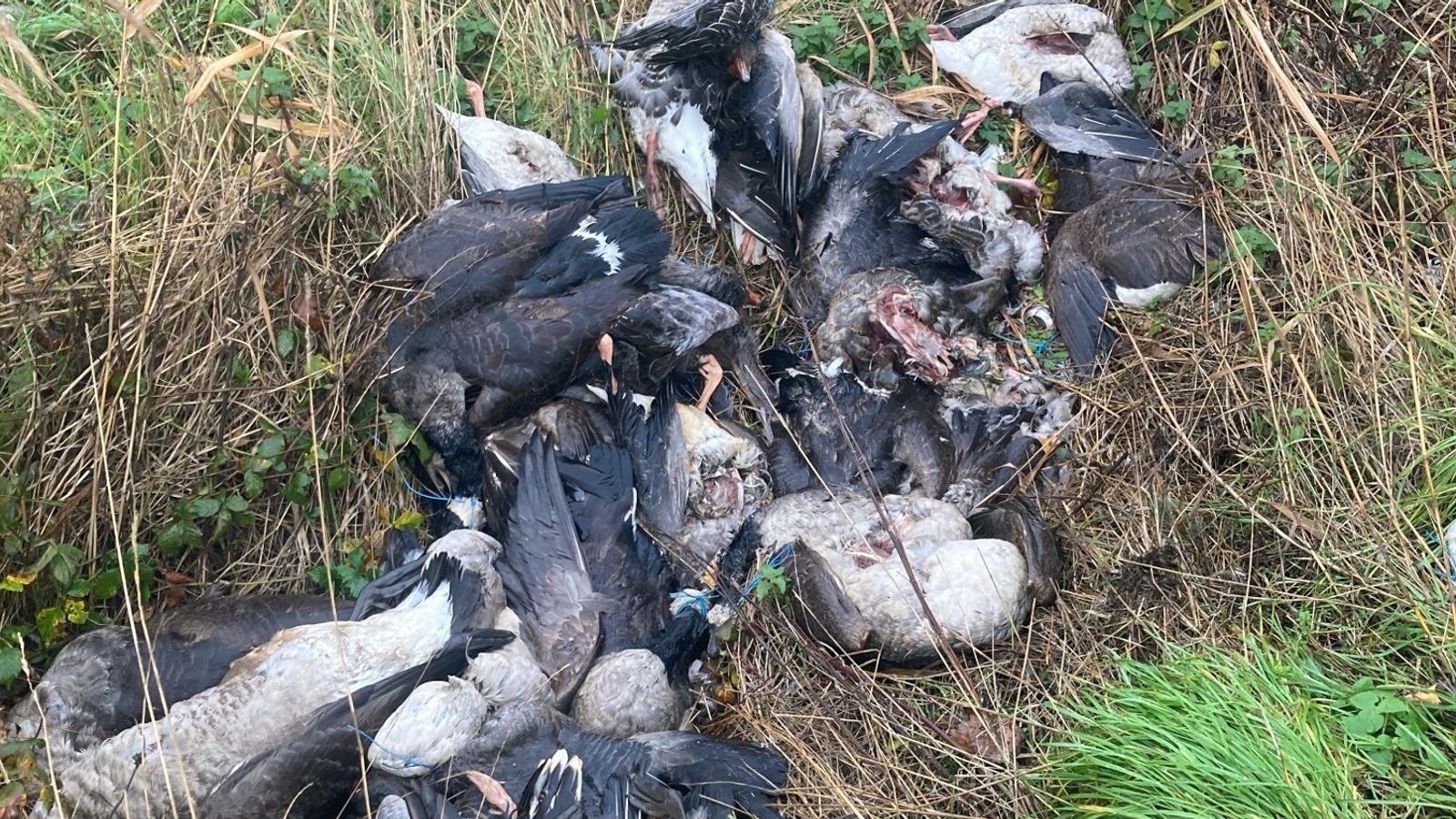
Authorities in Norfolk are investigating the disturbing discovery of dozens of butchered geese found discarded by a roadside, marking the second such incident within the last fortnight. This latest incident unfolded on Monday when 31 greylag geese were located in a rural area.
Recent Findings
The latest findings come from Market Lane in Terrington St Clement, where the geese were found with their breasts removed and string tied around their necks. Just a week earlier, on December 7, a similar situation was reported involving 39 pink-footed geese and one pigeon, which were discovered in a comparable condition on St Paul’s Road in Wisbech, approximately seven miles away.
Council’s Response
King’s Lynn & West Norfolk Council has indicated that the evidence suggests the birds were unlawfully shot. Councillor Sandra Squire has urged anyone with information regarding these incidents to come forward. “These birds have clearly been killed for their meat, but there has been no oversight of their slaughter and no assurance that they have not experienced undue suffering,” Squire stated.
Health Risks and Legal Concerns
In addition to the ethical implications, the councillor expressed concerns over public health, warning that the meat from these birds could be unsafe. The geese may carry diseases, and the conditions surrounding their slaughter raise serious hygiene concerns. “As a final insult, they have been dumped at the side of the road, which constitutes fly-tipping, potentially attracting vermin and creating a health hazard,” Ms Squire added.
Background
The discovery of the butchered geese raises significant legal and ethical questions concerning wildlife protection and animal welfare in the UK. Incidents of this nature highlight the need for stricter regulations and enforcement to prevent illegal hunting and ensure humane treatment of animals.
As authorities investigate these grisly findings, the local community and wildlife advocates are left grappling with the implications of such acts and the need for heightened awareness regarding wildlife crime.
Source: Original Article






