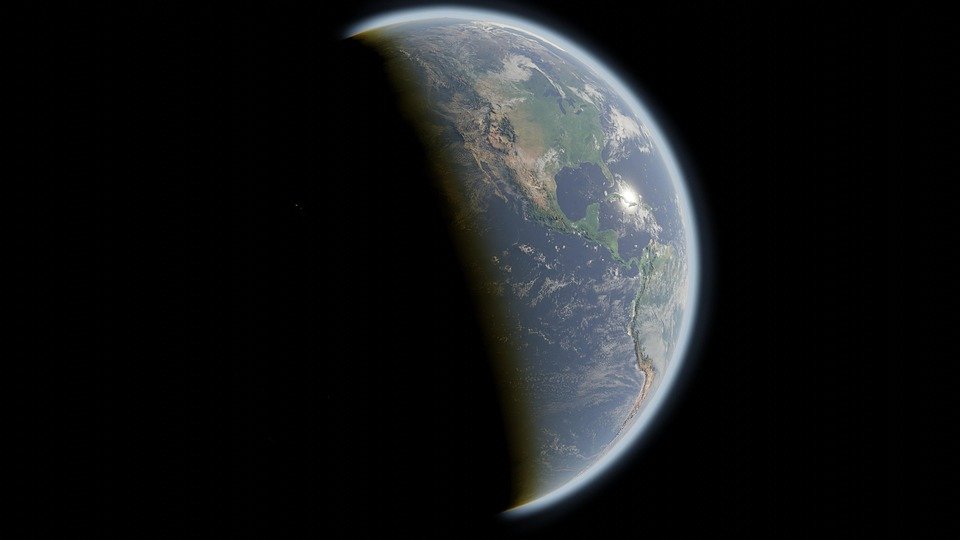
The ozone layer is a region of Earth’s stratosphere that contains a high concentration of ozone (O3) molecules. It is located approximately 10 to 30 miles above the Earth’s surface and plays a crucial role in protecting life on our planet. This article examines the science behind the ozone layer, its composition, formation, effects, and significance in safeguarding life on Earth.
Composition of the Ozone Layer
Ozone is a molecule composed of three oxygen atoms. While oxygen (O2) constitutes about 21% of the Earth’s atmosphere, ozone exists in much smaller concentrations. The stratospheric ozone layer contains about 90% of the Earth’s atmospheric ozone, with the remainder located at lower altitudes in the troposphere.
Formation of Ozone
Ozone formation in the stratosphere occurs through a photochemical reaction involving ultraviolet (UV) radiation from the sun. The process can be summarized in the following steps:
- UV Radiation Absorption: When UV-C radiation reaches the Earth’s atmosphere, it can split diatomic oxygen molecules (O2) into individual oxygen atoms.
- Ozone Creation: These free oxygen atoms can react with other O2 molecules to form ozone (O3).
- Continuous Cycle: Ozone can also absorb UV radiation, which can cause it to break down back into O2 and free oxygen atoms, allowing the cycle to continue.
Functions of the Ozone Layer
The ozone layer serves several vital functions that benefit life on Earth:
- UV Radiation Shielding: The primary role of the ozone layer is to absorb the majority of the sun’s harmful UV radiation, particularly UV-B and UV-C rays. This protection is essential for preventing skin cancers, cataracts, and other health issues in humans, as well as protecting ecosystems.
- Climate Regulation: Ozone plays a role in the Earth’s energy balance by regulating temperatures in the stratosphere and influencing weather patterns.
- Support of Biological Processes: By filtering out excessive UV radiation, the ozone layer helps maintain the integrity of biological processes, including photosynthesis in plants, which is foundational for life on Earth.
Threats to the Ozone Layer
Despite its importance, the ozone layer has been threatened by human-made chemicals, particularly chlorofluorocarbons (CFCs) and other halogenated compounds. These substances were commonly used in refrigeration, aerosol propellants, and industrial processes. Upon release into the atmosphere, these compounds can reach the stratosphere, where UV rays break them down, releasing chlorine atoms that catalyze the destruction of ozone molecules.
Global Efforts for Ozone Protection
In response to the depletion of the ozone layer, the international community adopted the Montreal Protocol in 1987. This landmark treaty aimed to phase out the production and consumption of ozone-depleting substances. The protocol has been largely successful, and current assessments indicate that the ozone layer is on a path to recovery if current regulations are maintained.
Conclusion
The ozone layer is essential for protecting life on Earth from the harmful effects of ultraviolet radiation. Its formation, function, and the threats it faces underscore the need for continued global cooperation and commitment to environmental protection. As the ozone layer slowly recovers, it serves as a reminder of the impact of human activity on the environment and the possibility of positive change through collective action.