The Significance of Fossils: What They Reveal About Earth’s History and Life Forms
Fossils are the preserved remains or traces of ancient organisms, and they provide essential insights into the history of life on Earth. Through the study of fossils, scientists can reconstruct various aspects of the Earth’s biological and geological past, thereby deepening our understanding of evolution, environmental changes, and the interactions between different life forms.
Understanding Fossils
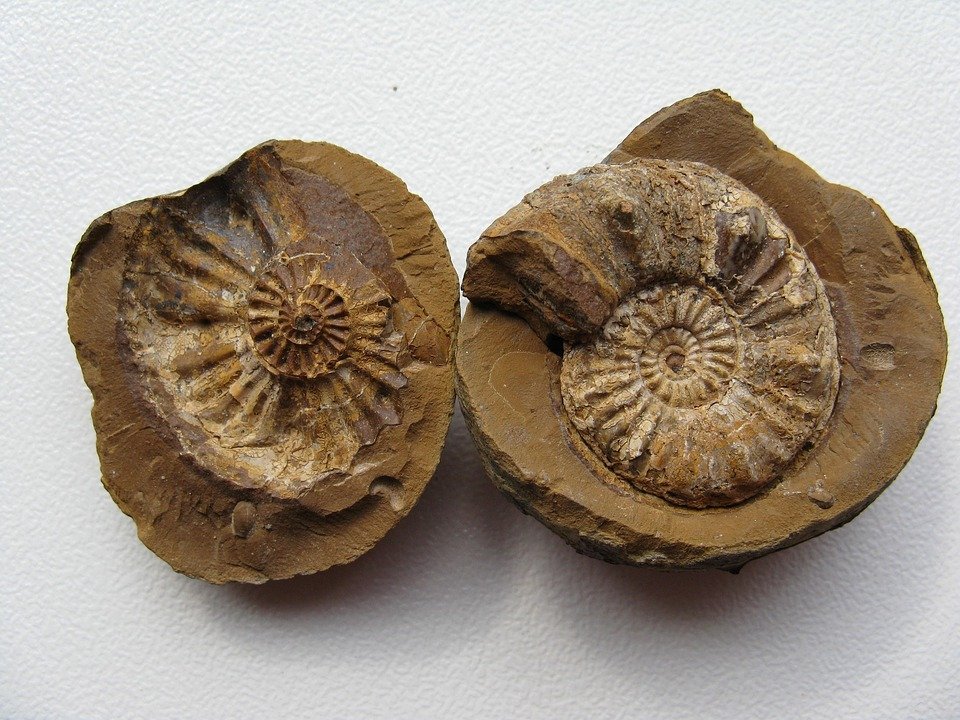
Fossils can take many forms, including:
- Body Fossils: Actual remnants of organisms, such as bones, teeth, and shells.
- Trace Fossils: Imprints that indicate the activity of organisms, such as footprints or burrows.
- Preserved Remains: Organisms preserved in substances like amber or ice, which can provide complete specimens.
The process of fossilization typically occurs when organisms are buried quickly in sediment, which protects them from decay. Over time, minerals can infiltrate the organic material and create a fossil. The conditions necessary for fossilization are relatively rare, which is why fossils are often only found in specific geological settings.
Reconstructing Earth’s History
Fossils serve as time markers for geologists, allowing them to establish timelines in Earth’s geological history. The principle of superposition, articulated by Nicolaus Steno in the 17th century, states that in any undisturbed sequence of sedimentary rocks, the oldest layers will be at the bottom and the youngest at the top. By studying these layers and their fossil contents, scientists can infer the order of historical events and environmental changes.
Evolutionary Evidence
One of the most significant contributions of fossil study is in the field of evolutionary biology. Fossils provide tangible evidence of changes in species over time, supporting the theory of evolution proposed by Charles Darwin. The fossil record reveals:
- The emergence and extinction of species.
- Transitional forms that showcase evolutionary changes, such as the evolution of more complex vertebrates from simpler ancestors.
- Biogeographical patterns, indicating how species have spread and diversified across different regions of the planet.
For example, fossils of early mammals indicate features that have evolved over millions of years. The discovery of fossils like Archaeopteryx elucidates the evolutionary link between dinosaurs and modern birds, showcasing the process of natural selection.
Climate and Environmental Changes
Fossils are also vital for understanding past climates and ecosystems. The presence of certain types of plant and animal fossils can indicate past temperate zones, while variations in fossil types can suggest climate changes over epochs. Paleoclimatology—the study of ancient climates—utilizes fossil evidence to understand how life adapted to shifting environments. This can offer insights into current climate change and its potential impacts on modern ecosystems.
Conclusion
In summary, fossils are more than mere relics of the past; they are crucial windows into the history of Earth and its life forms. By studying fossils, scientists can construct detailed narratives of evolutionary processes, geological changes, and ancient environments. As ongoing research and technology improve our methods of studying fossils, we can expect to uncover even more about the intricate tapestry of life on Earth and the dynamic planet we inhabit.