






















Introduction to Soliloquy
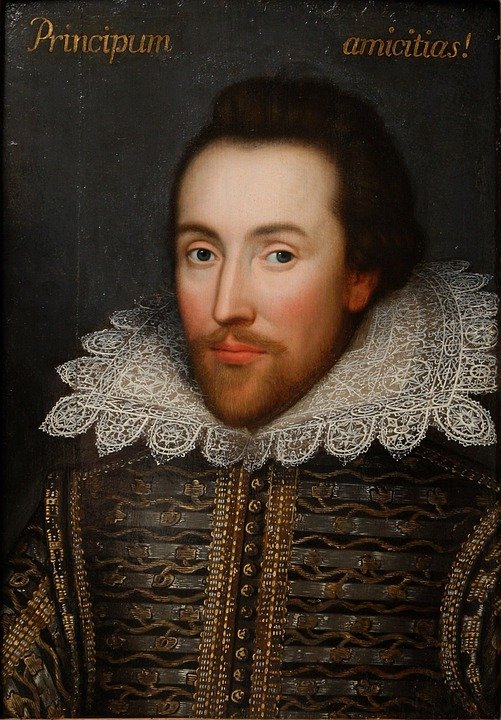
Soliloquy, derived from the Latin word “soliloquium,” signifies speaking one’s thoughts aloud when alone, often to provide insight into the character’s mind and emotions. Originally a staple of theatre, particularly in the works of William Shakespeare, this technique has found a compelling place within the realm of cinema. The adaptation of soliloquy in film serves to deepen character development and enhance narrative complexity.
Theatrical Roots in Film
The integration of theatrical techniques into filmmaking can be traced back to the early decades of the 20th century. Directors and screenwriters recognized the potential of soliloquy as a tool to bridge the gap between the audience and on-screen characters. This technique allows viewers to access the internal struggles of characters in a way that visual storytelling alone may not convey.
Key Film Movements Utilizing Soliloquy
Several film movements adeptly adopted and adapted this theatrical technique. Below are notable examples:
- German Expressionism: In films like “The Cabinet of Dr. Caligari” (1920), characters often reveal their inner turmoil through direct address to the audience, a technique that mirrors the soliloquies used by Shakespeare.
- Film Noir: The genre frequently employs voice-over narration, a variant of soliloquy, to provide insight into the dark, conflicted minds of its protagonists. Classic films like “The Maltese Falcon” (1941) utilize this technique to explore character motivations and moral dilemmas.
- Surrealism: Films like “Un Chien Andalou” (1929) feature cryptic soliloquies that reflect the unconscious thoughts of characters, enhancing the dream-like quality of the narrative.
Influential Directors and Soliloquy
Multiple renowned directors have embraced the use of soliloquy in their cinematic craftsmanship. Their approaches have shaped the landscape of modern filmmaking:
- Alfred Hitchcock: In “Psycho” (1960), the psychological states of characters are revealed through inner dialogue, offering viewers a glimpse into their complex motivations.
- Martin Scorsese: In “Goodfellas” (1990), soliloquy manifests through Henry Hill’s narration, providing an intimate exploration of his turbulent life within organized crime.
- Woody Allen: Films such as “Annie Hall” (1977) prominently feature direct address to the audience, allowing characters to voice their insecurities and complexities, akin to a Shakespearean monologue.
Modern Applications of Soliloquy
In contemporary cinema, the soliloquy continues to be a powerful narrative device. Filmmakers utilize it to create emotional depth and to forge a connection with the audience. Examples include films like “Deadpool” (2016), where the protagonist directly engages the audience, breaking the fourth wall and applying a modern twist to the classical technique.
Conclusion
The use of soliloquy in cinema demonstrates the enduring influence of Shakespearean techniques within the film industry. By providing insights into characters’ internal struggles, this method enriches storytelling and engages viewers on a profound emotional level. As filmmakers continue to experiment with narrative forms, the legacy of soliloquy remains relevant, proving that some techniques transcend time and medium.






